Understanding Marine Dock Hose: Why It Matters on a Global Scale
When you think of massive oil tankers or huge container ships moored at bustling ports, what comes to mind? While their size and sheer force are impressive, the quiet hero in the background is often overlooked — the marine dock hose. A specialized type of flexible hose, it facilitates the safe and efficient transfer of liquids like oil, fuel, and chemicals between vessels and docks. Globally, these hoses play an indispensable role in international shipping, energy distribution, and environmental safety.
With maritime trade responsible for roughly 80% of global goods transport (source: UNCTAD), the reliability and design of marine dock hoses matter—perhaps more than many realize. Whether it’s avoiding spills or speeding up loading times, understanding this component touches both economic and ecological fronts. So, let's unravel why this particular hose deserves some spotlight.
Global Context: The Expansive Role of Marine Dock Hose
Ports worldwide handle millions of tons of liquid cargo annually—fuel oils, chemicals, even feedstocks for industry. The International Maritime Organization (IMO) and ISO have worked to ensure uniform safety practices because one bad hose failure can cascade into severe environmental disasters, economic loss, or human injury.
Coastal nations, from Singapore and Rotterdam to Houston and Ningbo, rely heavily on these hoses to keep supply chains humming smoothly. Moreover, with growing global energy demands and expanding chemical trade, dock hoses must evolve to handle increased pressures, new materials, and changing climate conditions. They address one basic challenge: how to safely bridge the gap between stationary facilities and massive moving ships amid rough seas and tight schedules.
What Exactly Is a Marine Dock Hose?
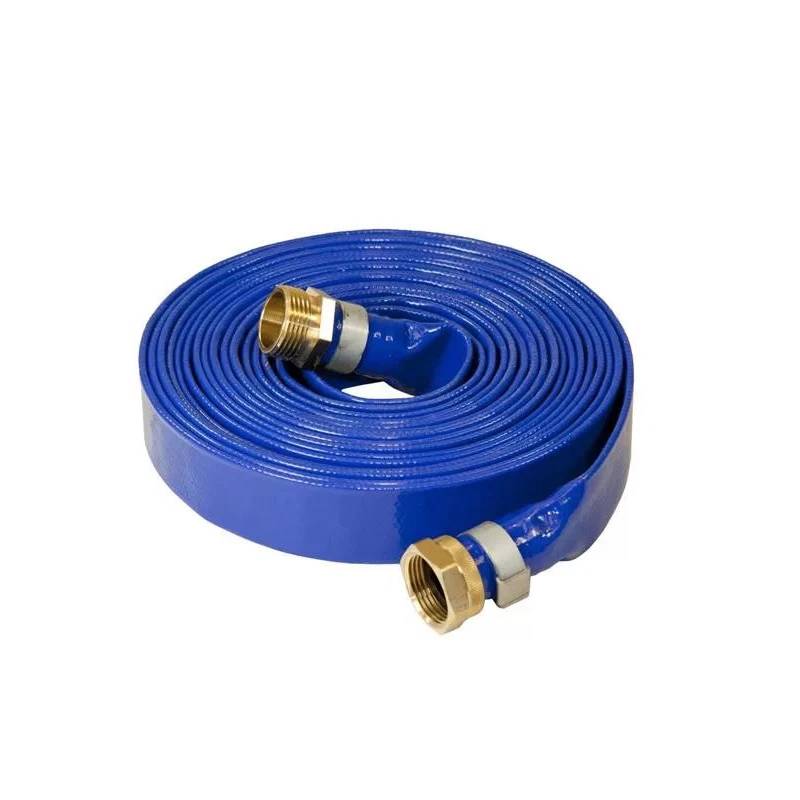
Simply put, a marine dock hose is a high-pressure, flexible hose designed for loading and unloading liquids (often hazardous or valuable) at the dockside. Unlike typical garden hoses or industrial pipes, these hoses are made with specially selected materials, reinforced layers, and designed to withstand dynamic motions due to tides, wind, and ship movement.
Think of it as a lifeline connecting a floating giant and a fixed terminal, enabling the smooth flow of crude oil, chemicals, or fuels. The importance extends beyond industry: marine dock hoses are also relevant in humanitarian efforts, as reliable liquid transfer lines can become crucial in setting up remote fuel supplies for disaster zones or offshore relief operations.
Core Components of Marine Dock Hose
1. Durability
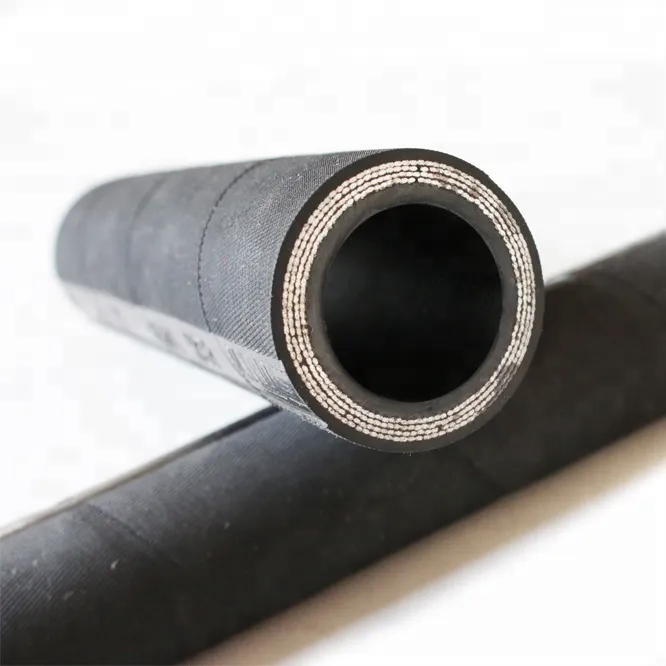
These hoses face harsh environments—saltwater corrosion, UV exposure, abrasion from ship lines, and more. Their construction uses layers of synthetic rubber and fabric reinforcements to endure repeated flexing and rough handling.
2. Pressure Resistance
Marine dock hoses must safely handle high pressures, commonly between 150 to 300 psi, depending on the liquid. This prevents ruptures during transfer and assures operators of secure, leak-proof connections.
3. Chemical Compatibility
Whether handling crude oil, gasoline, corrosive chemicals, or solvents, the inner lining of the hose must resist chemical attack, avoiding degradation that could lead to leaks or contamination.
4. Flexibility & Length
Ships don’t always dock in perfect positions. Hoses need to be flexible enough to accommodate tidal movement, shifts in ship position, and facilitate quick connections and disconnections. Typical lengths vary between 10 to 50 meters or more, customized for port needs.
5. Safety Features
Modern marine dock hoses include anti-static layers to avoid sparks, color coding for easy identification, and standardized couplings to ensure secure fittings—critical details that prevent accidents.
Marine Dock Hose in Action: Global Applications & Real-World Examples
From the oil terminals of the Middle East to chemical plants in Europe and fuel transfer stations in the Americas, marine dock hoses are everywhere liquids need safe handling docks.
- Oil and Gas Industry: Massive crude carriers dock regularly at ports like Fujairah (UAE), using hoses to offload millions of barrels safely.
- Chemical Transfer: Facilities around the Rhine River employ hoses designed to withstand aggressive chemicals, minimizing downtime.
- Humanitarian and Emergency Operations: NGOs use specialized hoses to transfer clean water and fuel in post-disaster zones, easing logistics and saving lives.
- Remote Industrial Zones: Mining companies, for example, rely on marine dock hoses to transfer diesel fuel from offshore tankers when pipelines aren’t feasible.
Advantages & Long-Term Value of Using Quality Marine Dock Hose
First, there’s the obvious: safety. A well-made marine dock hose reduces accident risk, protects workers, and prevents environmental contamination. Then come operational benefits: reduced downtime, faster cargo transfer, and cost savings from durability over frequent hose replacements.
Beyond economics, these hoses contribute to social and environmental goals—cutting spills protects marine wildlife and coastal communities, while improved materials reduce waste during replacement. Ultimately, the right marine dock hose fosters trust among port operators, regulators, and shipping companies alike. It’s innovation quietly underpinning global trade and safety protocols.
Product Specifications at a Glance
| Specification | Typical Range | Notes |
|---|---|---|
| Diameter | 3” – 12” (76mm – 305mm) | Varies by flow rate and application |
| Working Pressure | 150 – 300 psi (10 – 20 bar) | Higher pressure hoses available |
| Length | 10 – 50 meters | Customizable |
| Temperature Range | -40°C to +80°C (-40°F to +176°F) | Depends on material |
| Chemical Compatibility | Oil, gasoline, acids, solvents | Inner lining varies by use |
| Safety Features | Anti-static layer, standardized coupling | Meets ISO 1825 standards |
Vendor Comparison: Choosing the Right Marine Dock Hose Supplier
| Supplier | Product Range | Customization Options | Certifications | Warranty |
|---|---|---|---|---|
| ZSmartFlex | 3” - 12” diameters; Standard & heavy-duty types | Lengths, linings, couplings | ISO 1825, API certified | 3 years |
| FlexiMarine Solutions | Wide diameter, chemical resistant hoses | Custom pressure ratings | ISO, CE markings | 2 years |
| AquaFlex Industries | Standard oil transfer hoses | Limited customization | ISO 1825 | 1 year |
Looking Ahead: Future Trends in Marine Dock Hose Technology
The marine dock hose sector is quietly embracing innovation. There's rising interest in eco-friendly materials that reduce environmental impact and improve recyclability. Some manufacturers experiment with biodegradable rubber compounds and coatings that resist biofouling without harmful chemicals. Smart hose technology is another trend — integrating sensors that monitor pressure, temperature, and wear in real-time, alerting operators to potential failure before it happens. In a way, dock hoses are getting “smart” just like other industrial equipment.
Automation and improvements in coupling designs reduce human error and speed up ship turnaround times. Plus, stricter international regulations around marine pollution are pushing vendors to innovate more sustainable and robust products, a clear win for environment and industry alike.
Challenges in Using Marine Dock Hose—and How Experts Solve Them
Of course, no product is perfect. Marine dock hoses face issues like premature aging, damage from incorrect handling, or incompatibility with new chemicals. Also, improper storage can lead to cracks and leaks. These problems can cause unexpected downtime, costly spills, or safety risks.
Expert manufacturers suggest rigorous testing regimes, proper operator training, and improved hose designs with better abrasion resistance. Some ports have also adopted automated handling systems to reduce human-caused damage. Plus, regular inspections using ultrasonic or visual methods catch issues early. It's a continuous cycle of improvement that benefits everyone involved.
FAQ: Frequently Asked Questions About Marine Dock Hose
- What liquids can marine dock hoses safely transfer?
- Marine dock hoses handle a range of liquids, including crude oil, gasoline, diesel, chemicals, and even potable water. However, the hose lining and materials must be selected based on chemical compatibility to avoid damage or contamination.
- How often should marine dock hoses be inspected or replaced?
- Industry best practices recommend visual inspections before each use and thorough testing at least annually. Replacement schedules vary by use and wear, but many hoses last 3–5 years under optimal conditions.
- Are marine dock hoses customizable to specific port needs?
- Absolutely. Vendors often customize hose length, diameter, pressure ratings, and coupling types to suit port infrastructure, cargo types, and operational workflows.
- Can marine dock hoses be used in extreme weather conditions?
- Yes, many hoses are designed to operate in wide temperature ranges and resist UV, saltwater corrosion, and physical stress typical in marine environments.
- How can organizations choose the right marine dock hose supplier?
- Key factors include certification compliance (e.g., ISO 1825), product range, reliability, customization options, warranty, and good customer support. Online reviews and case studies also provide insights.
Conclusion: Why Investing in Marine Dock Hose Pays Off
When you step back, the marine dock hose isn’t just a simple product — it’s a cornerstone of maritime industry safety, efficiency, and sustainability. Its robust yet flexible design powers liquid transfer worldwide, from bustling commercial ports to critical humanitarian logistics.
For those who rely on these hoses daily, choosing quality means fewer accidents, less downtime, and quieter confidence. If you want to explore top-grade marine dock hose options with proven certification and tailored solutions, visit our website today. Because sometimes, the easiest connection matters most.
References
Z-Smartflex delivers superior-quality industrial hoses and fittings with global reliability, offering you durable solutions and exceptional service for all your fluid transfer needs.