Understanding the Industrial Ducting Hose: Why It Matters Globally
At first glance, an industrial ducting hose might sound like just another pipe or tube—but it’s quite the unsung hero in countless industries worldwide. These flexible conduits play a crucial role wherever air, gases, fumes, or particles need safe and efficient transport — think factories, construction zones, disaster relief efforts, and even large-scale clean energy projects.
Globally, their importance is amplified by growing industrialization and stricter environmental controls. Sustainable airflow management is no longer a luxury but a necessity, particularly in regions managing pollution or hazardous materials. Understanding industrial ducting hoses means appreciating how clean air and safety standards are maintained daily across continents.
Mini takeaway: Industrial ducting hoses are everywhere, quietly ensuring workplace safety and environmental care in ways we often overlook.
Why Industrial Ducting Hoses Are Vital in Today’s Economy
In the age of increasing industrial output, air quality management is a complex puzzle. According to the International Organization for Standardization (ISO 23.040), air handling systems must meet stringent standards globally. The World Bank estimates that 90% of urban populations breathe polluted air, spurring industries to adopt efficient ventilation and filtration solutions.
This is where industrial ducting hoses come into play. They address key challenges such as transporting hazardous fumes, large volumes of hot or humid air, and particulates without leaks or contamination. From mining in remote locations to chemical manufacturing plants in Europe, these hoses enable safer, cleaner operations.
What Exactly Is an Industrial Ducting Hose?
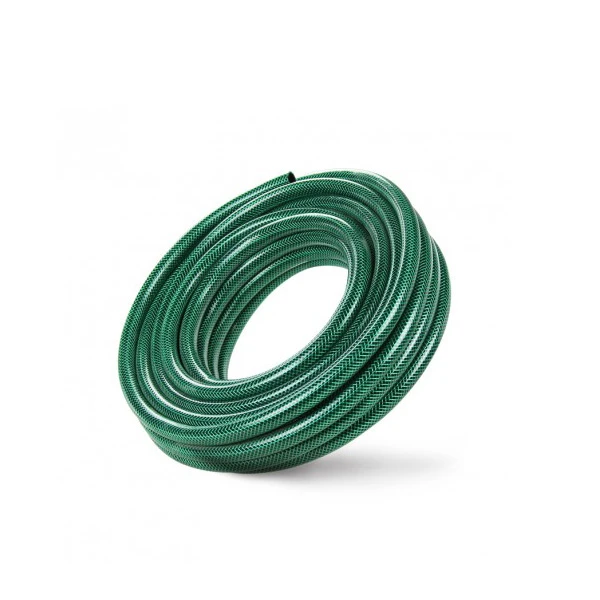
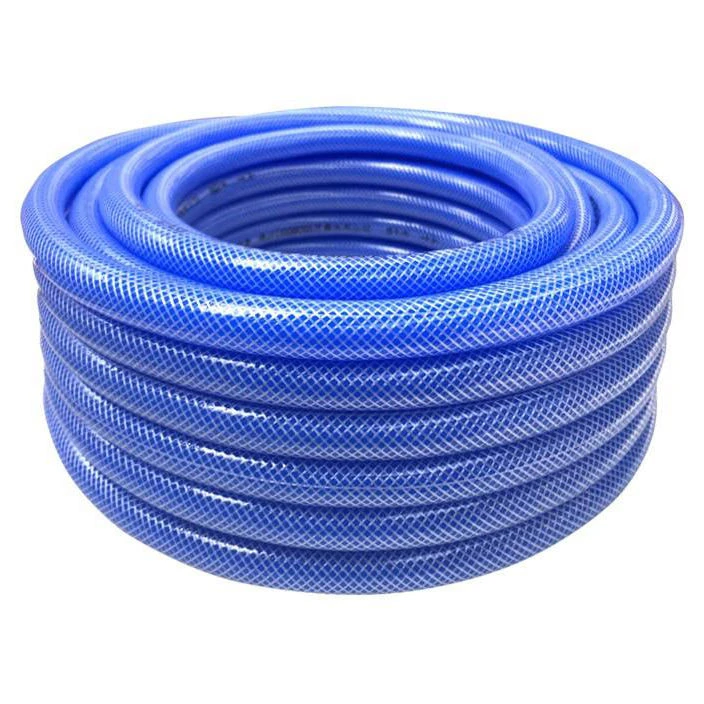
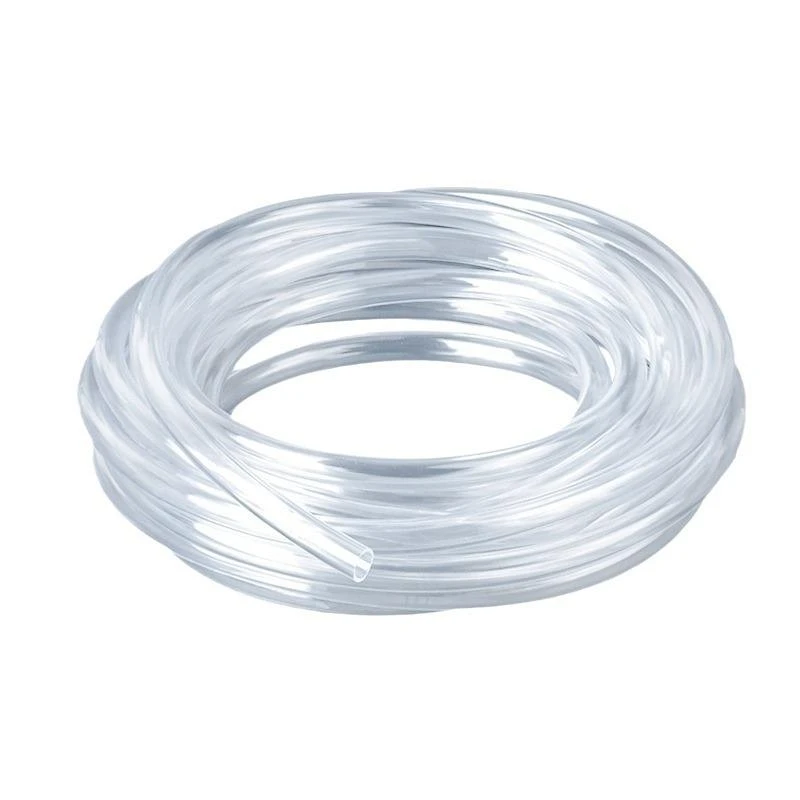
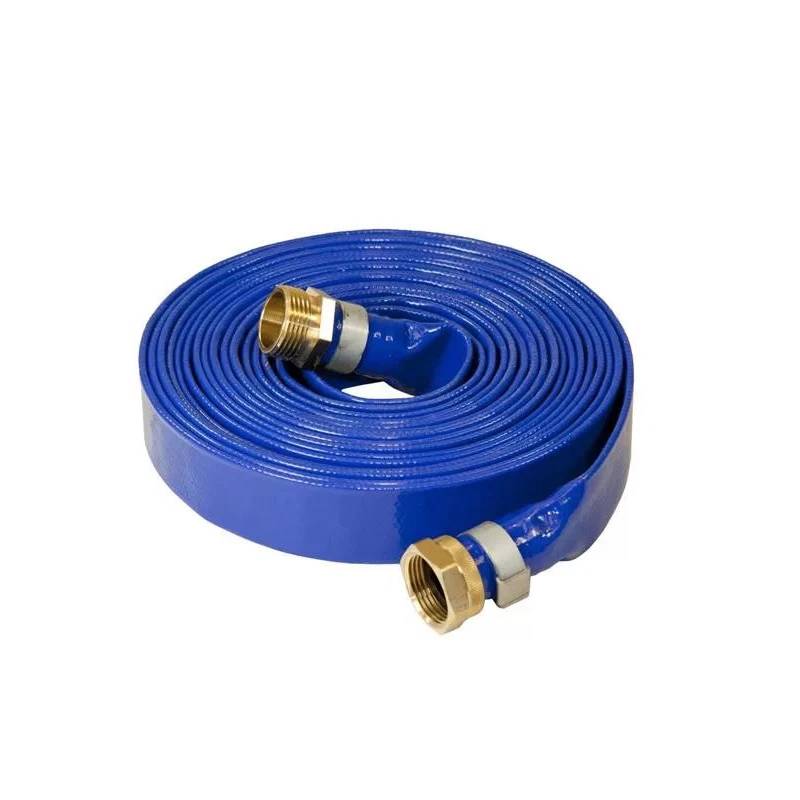
Simply put, an industrial ducting hose is a flexible tubing designed to move air, gases, fumes, or dust from one place to another within industrial systems. Compared to rigid piping, these hoses are easier to install, adapt to complex layouts, and often made from materials resistant to chemicals, abrasion, or heat.
In humanitarian scenarios, such as post-disaster temporary shelters or field hospitals, they provide critical ventilation, helping maintain hygiene and patient comfort. So beyond factories, these hoses serve a social purpose too.
Core Characteristics of Industrial Ducting Hoses Making Them Reliable
1. Durability and Material Strength
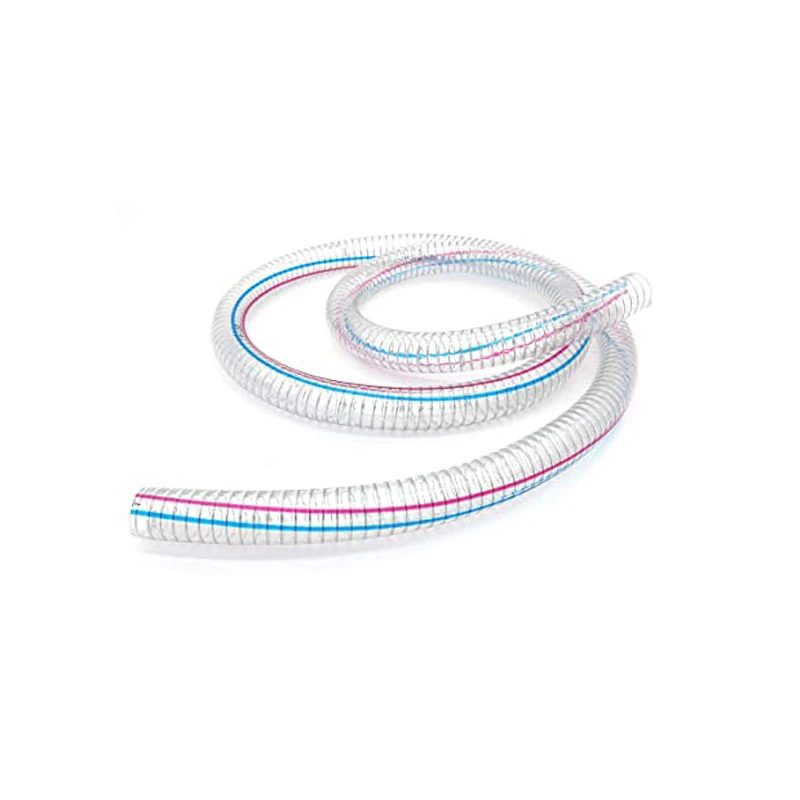
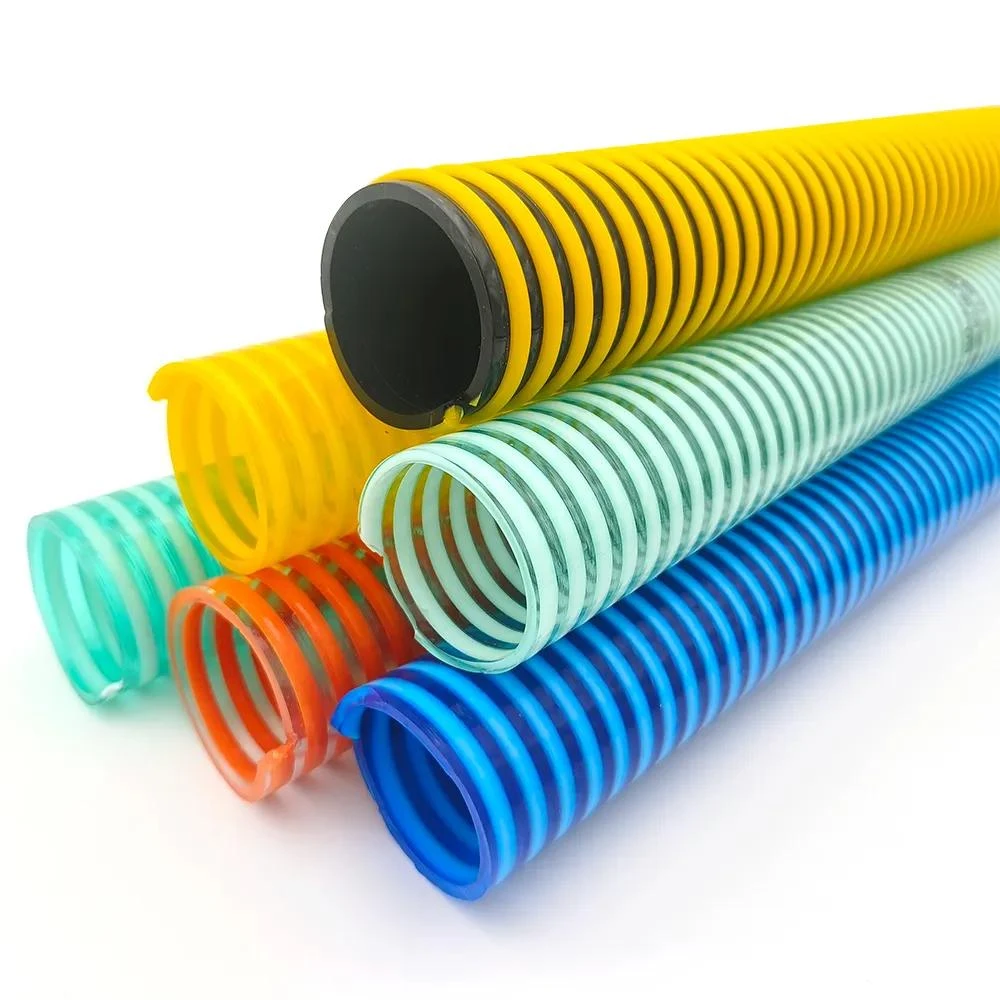
The ideal industrial ducting hose withstands abrasion, pressure changes, temperature extremes, and harsh chemicals. Many use PVC, rubber blends, or composite materials with reinforcements like steel wire helixes. This keeps them intact during rough usage.
2. Flexibility and Adaptability
Because facilities rarely have simple straight runs, the hose’s ability to bend without kinking is vital. It allows engineers to route ducting through tight spaces or around obstacles while maintaining airflow.
3. Resistance to Environmental Conditions
Whether exposed to UV rays outside, steam, or oil mist internally, hoses engineered for specific environments help extend equipment lifespan.
4. Cost Efficiency
Compared to rigid ducts, these hoses reduce labor time and total project costs. They also lower maintenance expenses since quick replacements are feasible if damage occurs.
5. Compliance with Safety Standards
Many industrial ducting hoses meet international certifications that ensure non-toxicity, flame resistance, and leak prevention, which is crucial for industrial safety protocols.
Mini takeaway: Durability, flexibility, and safety certifications are the secret sauce behind the industrial ducting hose’s reliable performance.
Where Do Industrial Ducting Hoses Get Put to Work?
Their applications are vast and varied—here are a few spots where these hoses earn their keep:
- Manufacturing Plants: From paint spray booths to chemical fume extraction.
- Mining Operations: Often in remote or harsh terrains, hoses ventilate dust and gases underground.
- Construction Sites: Temporary ventilation during concrete curing or dust control.
- Disaster Relief Efforts: Mobile clinics or shelters with HVAC systems rely on them for fresh air circulation.
- Clean Energy Facilities: Waste-to-energy plants or biomass facilities use hoses for air handling.
For instance, in the aftermath of hurricanes, emergency teams have deployed industrial ducting hoses to ventilate field hospitals, ensuring patient safety against airborne infections. Regions like Southeast Asia and Africa, where rapid industrial growth coincides with environmental challenges, lean heavily on such solutions.
Product Specification Table
| Specification | Details |
|---|---|
| Material | Reinforced PVC/Rubber composite with steel helix |
| Temperature Range | -40°C to 120°C (-40°F to 248°F) |
| Diameter Options | 50 mm to 600 mm (2" to 24") |
| Pressure Rating | Up to 2 bar (30 psi) |
| Compliance | ISO 10818, REACH, RoHS |
| Length | Custom lengths available (up to 50m) |
Advantages That Make Industrial Ducting Hoses Go the Distance
One big plus? Cost savings. You avoid costly downtime thanks to easier installation and maintenance. From a sustainability standpoint, many hoses are increasingly recyclable or produced with eco-friendly additives.
On the emotional side, operators often express a sense of trust in products that just work seamlessly. Safety is paramount — the reduction in hazardous leaks or failures means less risk of workplace accidents. That peace of mind is hard to understate.
Vendor Comparison: Choosing the Right Partner
| Vendor | Product Range | Customization | Price Range | Lead Time |
|---|---|---|---|---|
| ZSmart Flex Hose | Broad (all common sizes & materials) | High (custom diameters & lengths) | Mid-range | 2-3 weeks |
| Industrial Hose Co. | Moderate (limited materials) | Low | Low | 4-6 weeks |
| Global Flextech | Wide (including special applications) | Medium | High | 3-5 weeks |
Future Trends and Innovations in Industrial Ducting Hoses
The future feels greener and smarter. Materials that reduce environmental impact are gaining traction: bio-based polymers, recycled composites, or even heat-reflective coatings to reduce energy loss. Digital sensors embedded in hoses for real-time wear monitoring? Yup, that’s not sci-fi anymore — predictive maintenance helps avoid unexpected failures.
Automation in manufacturing these components is advancing to improve precision and reduce waste. Coupled with regulations pushing industrial sustainability, the hose industry is evolving fast.
Recognizing the Challenges and How Experts Address Them
Despite advances, hoses face issues like premature wear in abrasive environments and chemical degradation over time. Logistics for custom lengths and urgent installations can be tricky, especially in remote areas.
Experts recommend modular designs with quick-connect fittings to speed up deployment. R&D focuses on tougher materials and coatings that fight corrosion and UV damage simultaneously.
FAQs about Industrial Ducting Hose
- What materials are best for corrosive chemical environments?
- Hoses made from specialized rubber blends or PTFE coatings excel in resisting chemical corrosion. Reinforced designs with steel helixes also help maintain structural integrity under harsh conditions.
- How flexible are industrial ducting hoses in tight spaces?
- They are designed for significant bending radius without kinking. Most PVC or rubber composite hoses can bend up to around 90 degrees per meter length, enabling versatile installation.
- Can these hoses be customized for diameter or length?
- Yes, top suppliers offer custom diameters ranging from 50 mm to over 600 mm, and lengths can be tailored to project needs, typically up to 50 meters or more.
- Are industrial ducting hoses reusable after damage?
- Minor damage may be patched or taped, but significant tears require replacement to maintain safety. However, quick replacement options minimize downtime.
- How can NGOs source industrial ducting hoses for disaster relief?
- Many manufacturers provide direct international shipping and work with NGOs for rapid deployment. Planning ahead with suppliers like industrial ducting hose vendors eases logistics tremendously.
Wrapping It Up: Industrial Ducting Hose as a Long-Term Investment
In real terms, industrial ducting hoses are more than just flexible tubes — they’re a backbone of modern industry and humanitarian aid programs alike. Their blend of resilience, adaptability, and safety underpins countless operations around the globe, often silently but effectively.
If you’re ready to explore tailored solutions for your air handling needs, I suggest visiting our website for detailed info, specs, and expert support. Because sometimes, the right hose can make all the difference.
References:
Z-Smartflex delivers superior-quality industrial hoses and fittings with global reliability, offering you durable solutions and exceptional service for all your fluid transfer needs.