Why the 80mm rubber hose still leads in industrial applications
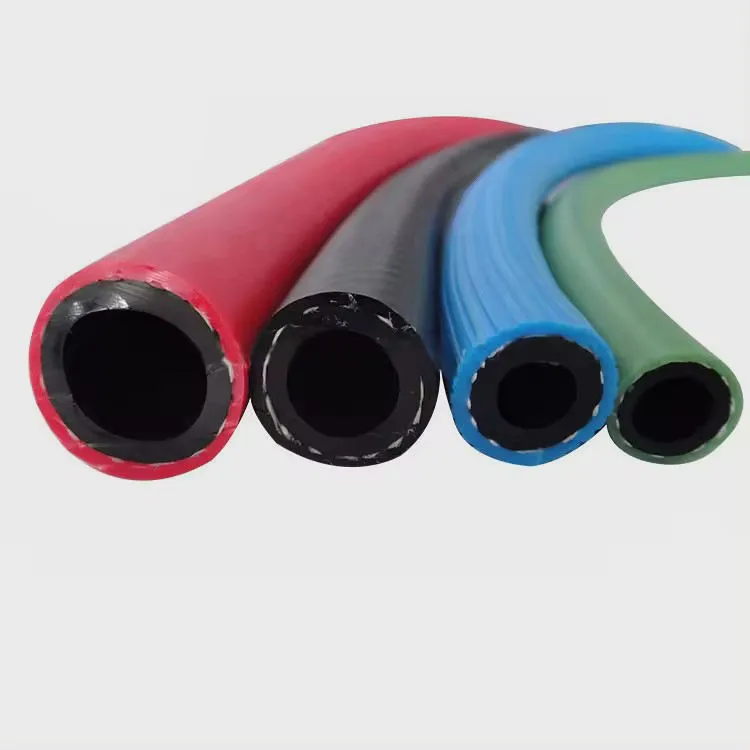
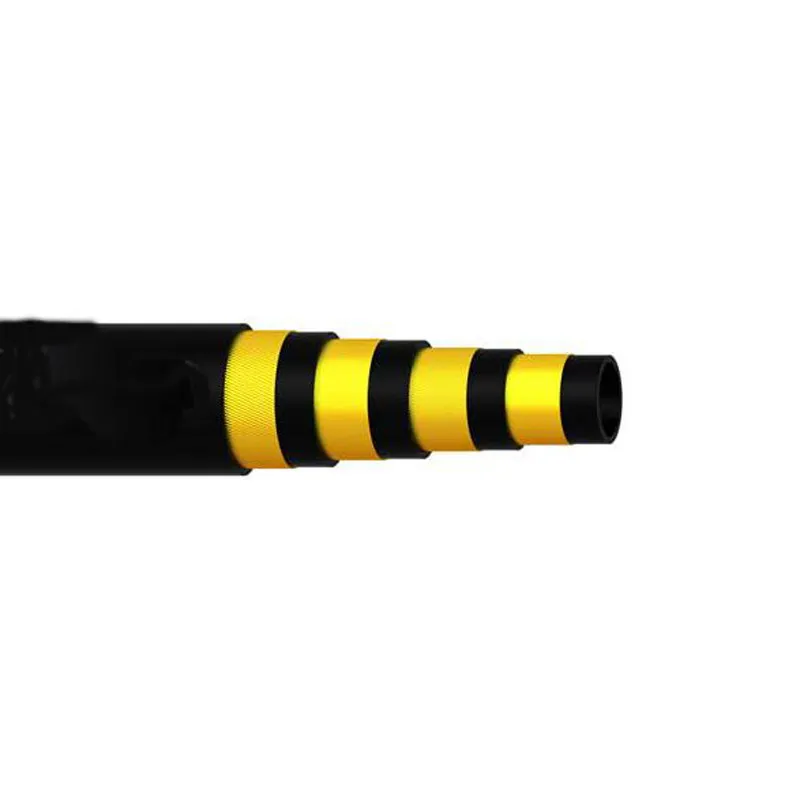
Having logged countless hours in industrial plants and worked up close with everything from pumps to compressors, I can tell you one hose size keeps popping up again and again: the 80mm rubber hose. Frankly, it just feels right for a host of demanding jobs. Whether you’re transferring liquids, air, or even some abrasives, this diameter hits a sweet spot between flexibility and flow capacity. Oddly enough, it’s a bit of an unsung hero—never flashy, but always dependable.
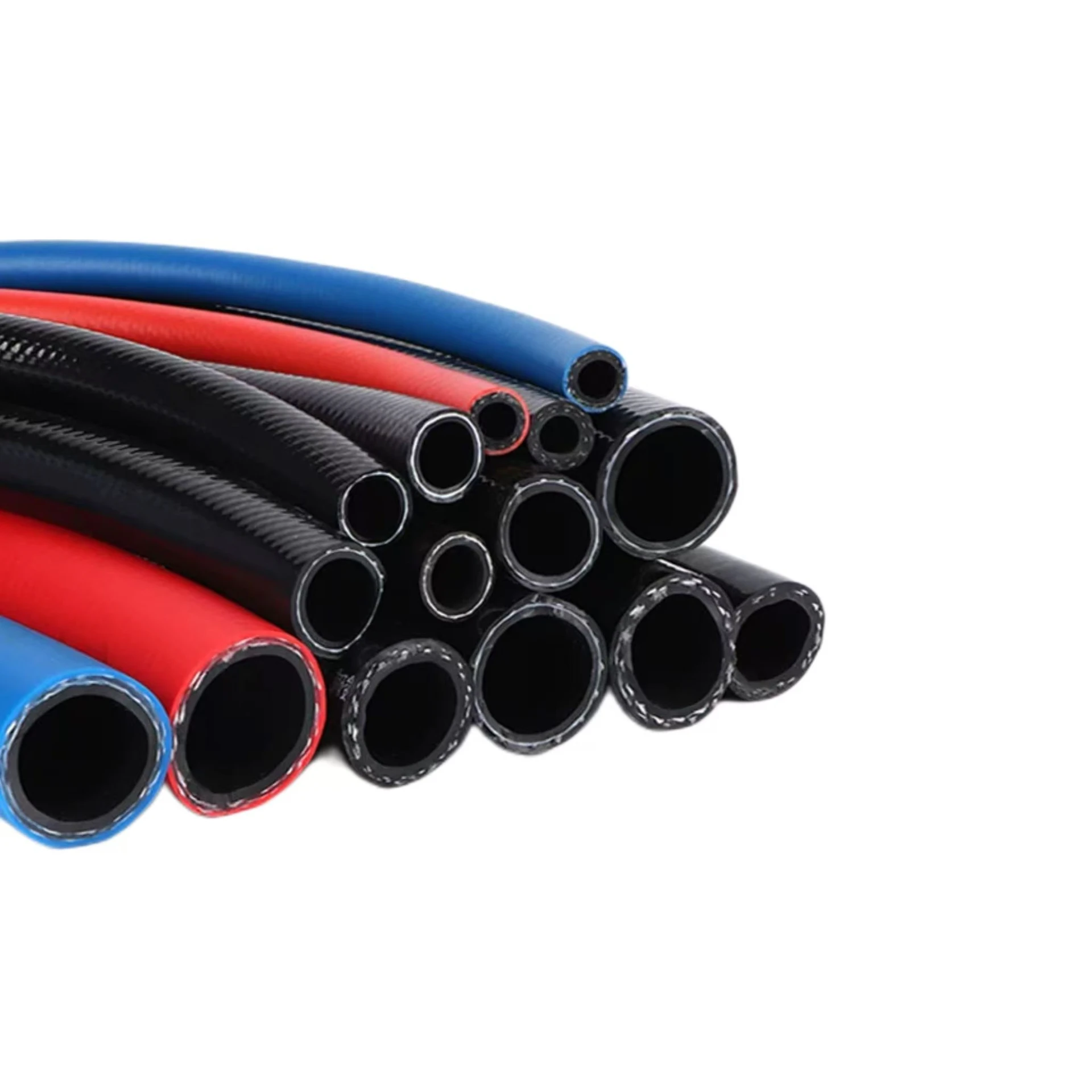
The industry has changed loads over the past two decades, especially in materials. Rubber compounds now are tougher, more wear-resistant, and often reinforced with high-tensile fibers—making the hose work hard and last longer in harsh settings. I remember a facility where we swapped out old PVC hoses for a robust 80mm rubber one. Not only did the new installation last thrice as long, but it also improved safety by staying more pliable in cold weather, reducing risks of cracking or leaking.
One thing many engineers underline is the importance of testing. It’s not enough for a hose to fit the specs on paper. Real-world pressure and bend-cycle testing ensure they survive tough environments without failures. The 80mm rubber hose often comes with a decent safety margin, sometimes rated for pressures up to 10 bar (or ~145 psi), which gives end-users peace of mind.
Product Specifications at a Glance
| Parameter | Specification |
|---|---|
| Inner Diameter | 80 mm (±2 mm) |
| Material | Synthetic rubber with polyester reinforcement |
| Temperature Range | -30°C to +80°C (-22°F to +176°F) |
| Maximum Working Pressure | 10 bar (145 psi) |
| Length Options | Custom lengths up to 50 meters |
| Applications | Water transfer, slurry, chemical transport, exhaust |
Another thing I find interesting is the level of customization available these days. Clients often come asking for specific color codes, UV-resistant outer layers, or even certification for food-grade use. And you know, that kind of flexibility can be a game-changer when the hose has to meet multiple standards simultaneously. I recall a project where the hose not only handled abrasive slurry, but also had to comply with ISO food safety because the plant processed edible oils.
Comparing Top Vendors for 80mm Rubber Hose
| Vendor | Pressure Rating | Material Quality | Customization | Price Range |
|---|---|---|---|---|
| ZSmartFlexHose | 10 bar | Premium synthetic rubber with polyester reinforcement | Wide; custom lengths & certifications | $$ |
| RubberCo | 8 bar | Standard synthetic rubber | Limited | $ |
| FlexiTube Ltd. | 9 bar | High-grade rubber blend | Moderate; color & length | $$ |
Of course, price shouldn’t be the only factor. In my experience, buying a cheaper hose that fails early ends up costing more in downtime and replacement. It reminds me of one retrofit job where the plant manager convinced the team to invest in a higher-quality 80mm rubber hose from ZSmartFlexHose. That hose ran flawless for over two years in a slurry line where previous hoses kept rupturing every six months. Sometimes, you get what you pay for—and that peace of mind is priceless, truly.
In real terms, if you’re specifying hoses for a plant, keep these things in mind: pressure rating, material resilience, manufacturer reputation, and warranty terms. It’s an ecosystem, really—each factor ties into the others, guaranteeing smooth operations.
So next time you’re considering hose options, give the humble 80mm rubber hose a moment. It’s probably the closest thing to a “safe bet” in an unpredictable industry.
Quick takeaway: The balance of strength, flexibility, and customization options make the 80mm rubber hose a perennial favorite among industrial pros like myself.
- Industrial Rubber Institute, Hose Testing Manual, 2021
- Smith & Co. Case Studies, 2019-2023
- ISO 9001 & 14001 Certification Guidelines, 2022
Z-Smartflex delivers superior-quality industrial hoses and fittings with global reliability, offering you durable solutions and exceptional service for all your fluid transfer needs.