Understanding Industrial Flex Hose: What It Is and Why It Matters
When you hear the phrase industrial flex hose, you might picture a simple tube, but in reality, it’s a cornerstone for countless sectors worldwide—from manufacturing plants to humanitarian relief efforts. The global flow of liquids, gases, and solids often depends on these flexible conduits, allowing industries to function safely and efficiently, even in the toughest conditions.
Why does this matter? Well, as international trade grows and industries worldwide push for more sustainable, safe, and adaptable infrastructure, the humble flex hose quietly makes a significant difference in minimizing downtime, improving safety, and enabling rapid response during emergencies. Understanding it means appreciating a vital piece of the industrial puzzle that many take for granted.
Global Context: Why Industrial Flex Hoses are More Relevant Than Ever
Across the globe, industries deal with unprecedented challenges: rapid urbanization, climate change, and an ever-growing demand for safer, greener solutions. According to the International Organization for Standardization (ISO), industrial hoses must meet strict standards for durability and safety, especially in volatile sectors like oil and gas, chemical processing, or even water distribution.
Consider this: The World Bank noted that reliable infrastructure directly supports economic growth and human welfare, meaning reliable materials handling, including industrial flex hoses, can make or break critical supply chains. In emergency scenarios—floods, earthquakes, or industrial accidents—quickly deployable and reliable hose systems have saved countless lives.
But challenges exist. Traditional rigid pipes often don’t cut it where flexibility or rapid setup is needed. That’s where the industrial flex hose excels, bridging gaps and providing adaptability in complex environments.
Breaking It Down: What Exactly is an Industrial Flex Hose?
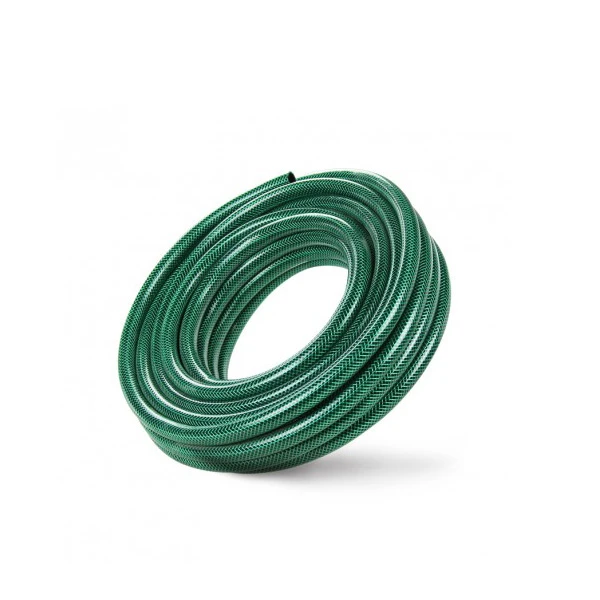
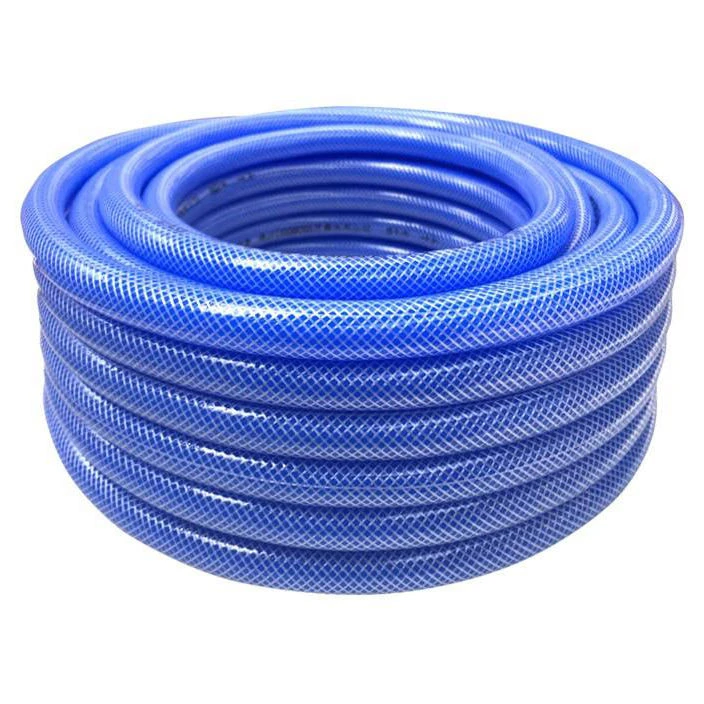
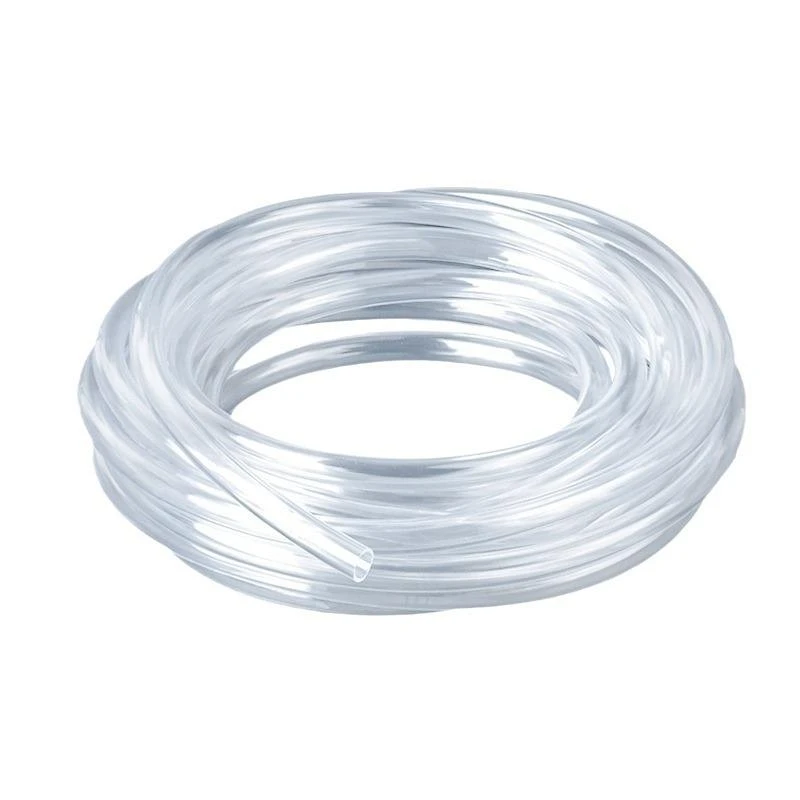
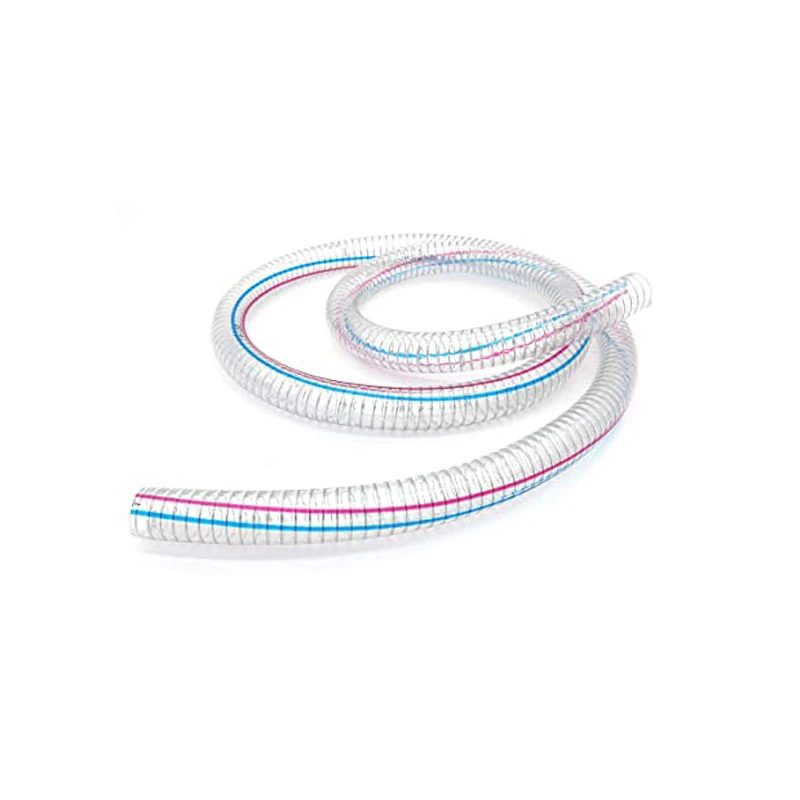
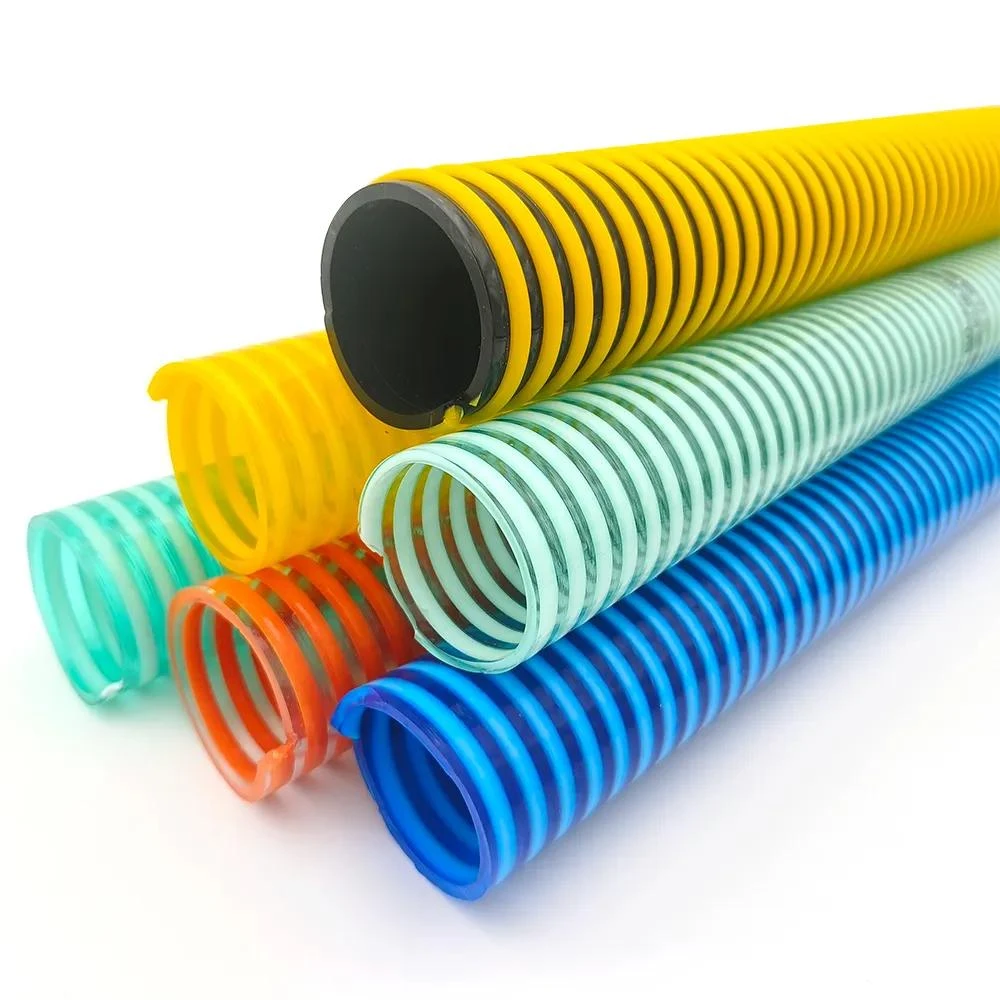
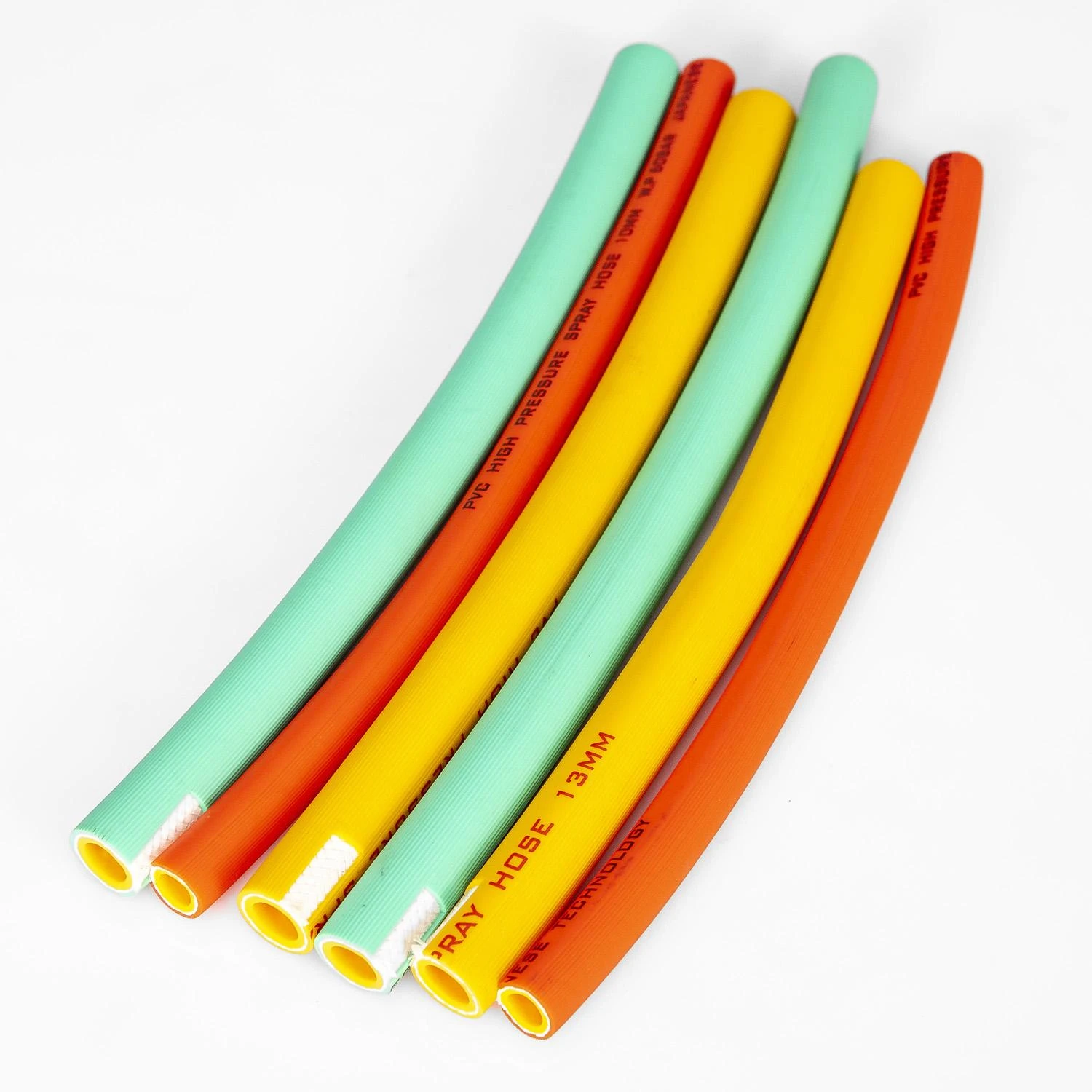
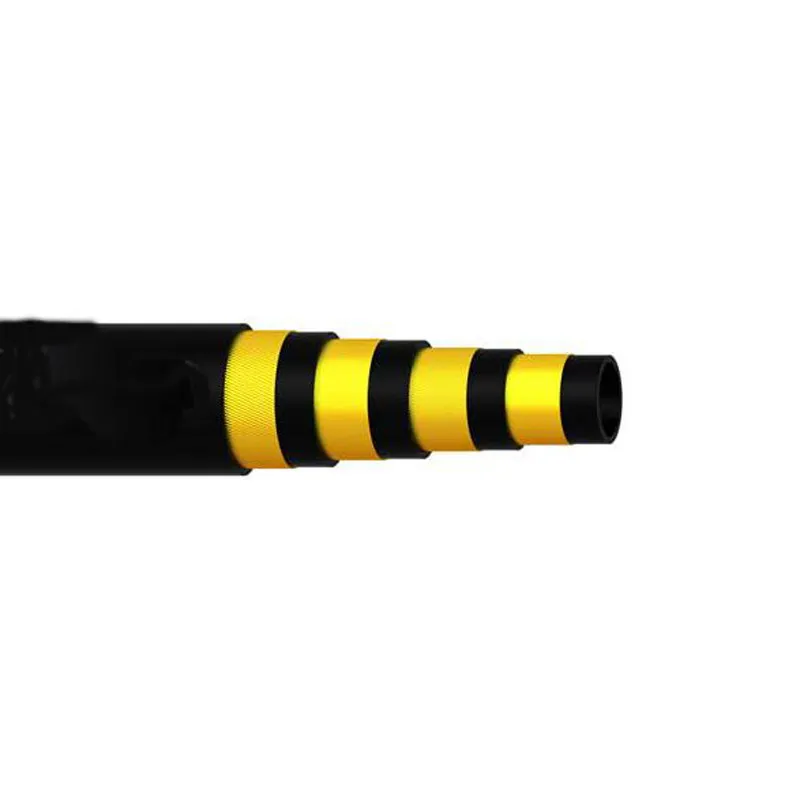
In simple terms, an industrial flex hose is a flexible tube designed to transport fluids, powders, or gases safely across various environments. Unlike fixed piping, its construction allows bending, twisting, and movement without compromising structural integrity. Made from materials like reinforced rubber, PVC, polyurethane, or even metal alloys, these hoses cater to many operating conditions.
They’re not just tools for factories; they play significant humanitarian roles—for example, transporting clean water through rough terrain in disaster-hit areas or safely moving hazardous chemicals during industrial clean-ups. The adaptability factor is crucial here: they can fit in tight spaces and adjust to vibrations or pressure changes.
Core Components and Factors that Define Industrial Flex Hose Success
1. Durability
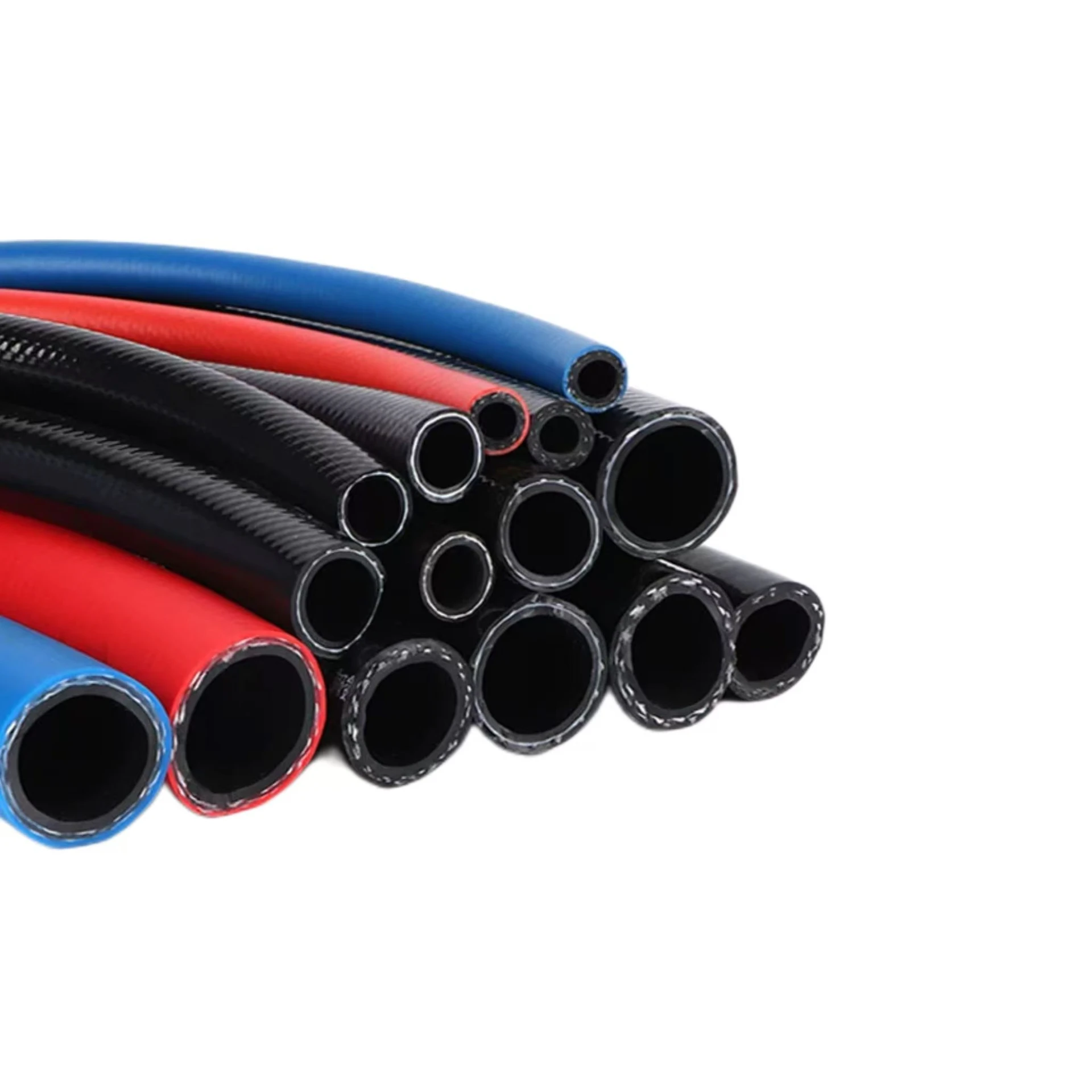
Durability matters when hoses face harsh chemicals, extreme temperatures, or abrasive materials. Many engineers swear by hoses reinforced with braided steel or layered fabrics for extra protection. Durability means less frequent replacements and safer operations—a real cost saver in the long run.
2. Flexibility and Scalability
The ability to bend without kinking or collapsing is what sets these hoses apart. Flexibility allows easy installation even in confined spaces or uneven surfaces. Scalability means hoses come in varied sizes and lengths, so industries can customize for tiny pneumatic lines or massive slurry transfer.
3. Pressure and Temperature Ratings
Operating environments dictate what pressure and temperature ratings hoses must meet. Some are designed for high-pressure hydraulic fluid transfer; others are steam-rated for temperatures exceeding 200°C. Understanding these specs prevents catastrophic failures.
4. Chemical Resistance
Exposure to acids, solvents, or oils requires chemically resistant hoses. Materials like PTFE or specialized rubbers ensure safety. This is crucial in chemical plants, pharmaceuticals, or even food processing.
5. Compliance & Safety Standards
From ISO certifications to manufacturers meeting OSHA guidelines, compliance is vital. These regulations ensure hoses won’t suddenly fail, causing safety hazards or downtime.
The Many Faces of Industrial Flex Hose: Global Applications & Use Cases
- Oil & Gas Industry: Transporting crude oil and natural gas under high pressure across offshore platforms, refineries, and pipelines.
- Mining: Durable hoses move slurry, tailings, or dust-laden air, often over rough terrain and extreme conditions.
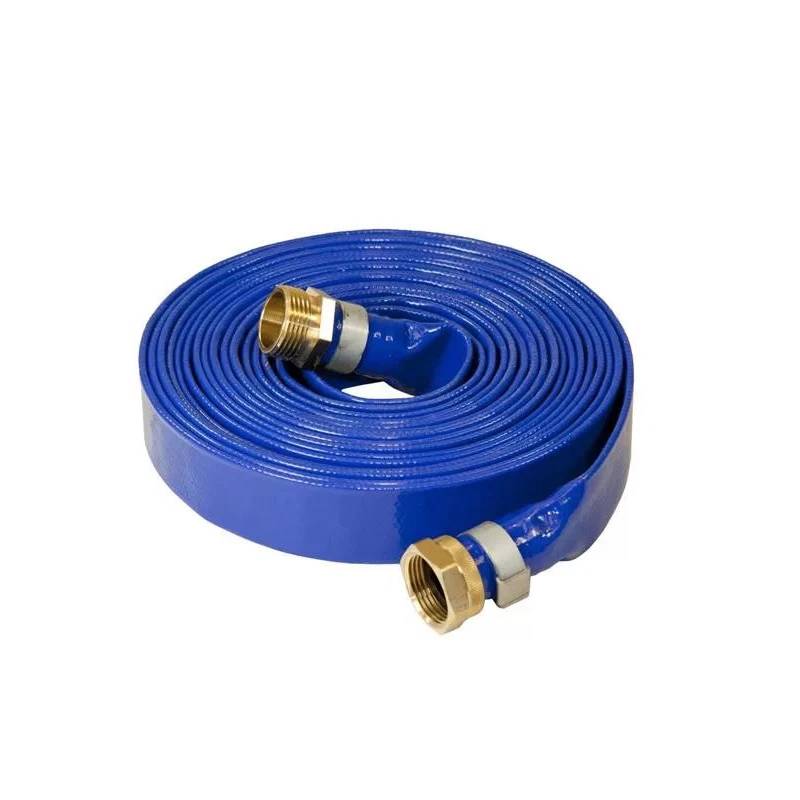
- Emergency Relief Operations: Rapid-deployable hoses distribute potable water or remove floodwater in disaster zones.
- Food & Beverage: Sanitary hoses safely transfer edible liquids, adhering to health standards.
- Chemical Manufacturing: Resistant hoses safely convey corrosive acids or volatile compounds.
Oddly enough, in remote places like Arctic pipelines or post-tsunami zones, the choice of hose can dictate if supply chains hold or collapse. Governments and NGOs invest heavily in selecting the right hoses that combine strength with ease of transport and setup.
Technical Snapshot: Typical Industrial Flex Hose Specification
| Parameter | Specification | Typical Application |
|---|---|---|
| Inner Diameter | 25 mm - 300 mm | From pneumatic tools to slurry transfer |
| Pressure Rating | Up to 30 bar (450 psi) | Hydraulic and chemical processing |
| Temperature Range | -40 °C to +200 °C | Steam lines, food processing |
| Material | Reinforced rubber, PVC, PTFE | Chemical resistance, flexibility |
| Standards | ISO 10380, SAE J517 | Safety and performance benchmarks |
Choosing Your Vendor: A Quick Comparison
| Vendor | Product Range | Customization Options | Global Reach | Lead Time |
|---|---|---|---|---|
| FlexTech Industries | Extensive, across industries | Full custom builds | Global (50+ countries) | 4-6 weeks |
| SmartFlex Hose Co | Focused on chemical & food | Limited to chemical grades | North America, Europe | 3-5 weeks |
| Global Hose Solutions | Mining, oil & gas specialty | Standard options | Asia & South America | 6-8 weeks |
Why Invest in Industrial Flex Hoses? The Advantages & Long-Term Value
From a cost perspective, flexible hoses reduce installation time and labor costs. They cut down downtime because you don’t have to shut down entire systems for repairs or replacement as often.
Environmentally, the right materials mean fewer waste replacements and lower risk of leaks—thus less environmental contamination. This speaks volumes about corporate responsibility in today’s business ethics climate.
Socially, I’ve heard from disaster relief workers who stress on the “emotional trust” these hoses build—knowing they’ll hold under pressure means teams can focus on saving lives, not worrying about equipment failure. It’s innovation meeting dignity in real terms.
Looking Ahead: Future Trends and Innovations in Industrial Flex Hose Technology
We’re seeing innovations like eco-friendly, biodegradable hose materials that degrade safely after use. Digital monitoring—yes, smart hoses that warn you before failure with sensors embedded—is gradually becoming a standard feature for high-value applications.
Automation and robotics integration is also a growing trend. Imagine hoses that self-adjust tension or automatically seal leaks. And green energy projects, like hydrogen fueling stations, require hoses built to unprecedented chemical and pressure standards.
On the policy side, tighter regulations worldwide encourage manufacturers to adopt sustainable practices and enhance safety, pushing the entire industry to innovate.
Common Challenges and How To Overcome Them
Despite the positives, challenges exist. For example, improper material selection can lead to hose degradation when exposed to unforeseen chemicals or pressure surges.
Leakage due to poor fittings or aging is another risk, but industry best practices—like regular testing per ISO 14025 or scheduled maintenance—help mitigate this. Some companies now use modular hose systems, which simplify replacement and reduce waste.
There’s also the challenge of balancing cost and quality: cheap hoses can seem tempting but often lead to higher expenses later due to failures.
FAQ: Your Industrial Flex Hose Questions Answered
- Q: What materials are best for high-temperature industrial flex hoses?
- A: For high temps (up to 200°C), hoses made with reinforced silicone, PTFE, or specialized rubber compounds are best. Always check manufacturer specs for max temperature ratings to avoid breakdowns.
- Q: How often should industrial flex hoses be inspected or replaced?
- Inspection depends on usage, but generally every 6–12 months. Replace if you notice cracks, leaks, or loss of flexibility. In critical applications, more frequent monitoring is recommended.
- Q: Can industrial flex hoses be customized to fit unique applications?
- Yes, many vendors offer customization in diameter, length, material, and pressure ratings. Working closely with suppliers ensures the hose suits your intended environment perfectly.
- Q: Are industrial flex hoses reusable after chemical exposure?
- This depends on the chemicals and hose material. Some hoses are designed for multiple uses in chemical transfer, but always verify chemical compatibility and conduct thorough cleaning before reuse.
- Q: How do I choose the right industrial flex hose for food processing?
- Look for hoses compliant with FDA and EU food safety regulations, made from non-toxic, sanitary materials like food-grade silicone or polyurethane, and easy to clean to prevent contamination.
Wrapping Up: The Industrial Flex Hose – Your Industry’s Unsung Hero
In the end, industrial flex hoses don’t just move materials; they keep the wheels of progress turning smoothly and safely. Whether it’s stabilizing a refinery’s output, delivering fresh water in disaster zones, or ensuring your favorite beverage reaches the bottling line, these hoses matter more than you might think.
Curious to learn more or find out how the right hose can specifically help your operation? Don’t just take my word for it—visit our site for in-depth resources and product options: industrial flex hose.
1. ISO Standards for Industrial Hoses
2. World Bank Infrastructure Reports
3. Wikipedia: Flexible Hose
Z-Smartflex delivers superior-quality industrial hoses and fittings with global reliability, offering you durable solutions and exceptional service for all your fluid transfer needs.