Understanding Hot Water Washdown Hose: Why It Matters Today
Hot water washdown hoses might seem like a niche product, but if you think about it, they play an outsized role in keeping everything from food processing plants to fire stations running smoothly. Imagine needing to quickly rinse down industrial equipment or remove stubborn grime without compromising on heat tolerance or durability. That’s where these hoses come in. Globally, industries demand safe, reliable solutions for high-temp washdowns — touching on everything from hygiene standards to environmental safety.
Given the rising focus on sanitation and operational efficiency worldwide, knowing your hot water washdown hose options isn't just practical; it’s essential. This helps businesses meet strict ISO regulations (ISO 9001, ISO 14001) and increasingly tight health codes without breaking the bank. So, what exactly makes these hoses a critical underdog in industrial maintenance? Let's explore.
The Global Backdrop: Why Hot Water Washdown Hose Gains Attention
Worldwide sanitation standards are evolving rapidly, particularly with the push from organizations like the United Nations and WHO to improve water safety and hygiene (source: UN Water). Hot water washdown hoses also feature prominently in sectors highlighted by the World Bank’s data on urban infrastructure development — industries where efficient cleaning protocols reduce downtime and health risks.
For example, in food manufacturing, contaminated surfaces can halt entire supply chains. And in municipal services, quick equipment washdown saves critical response times. But challenges like corrosive water or variable pressure levels mean one-size-fits-all hoses just won’t cut it anymore.
Mini takeaway: The hot water washdown hose is at the intersection of sanitation, safety, and operational uptime worldwide — a kind of unsung hero in industrial hygiene.
What Is a Hot Water Washdown Hose?
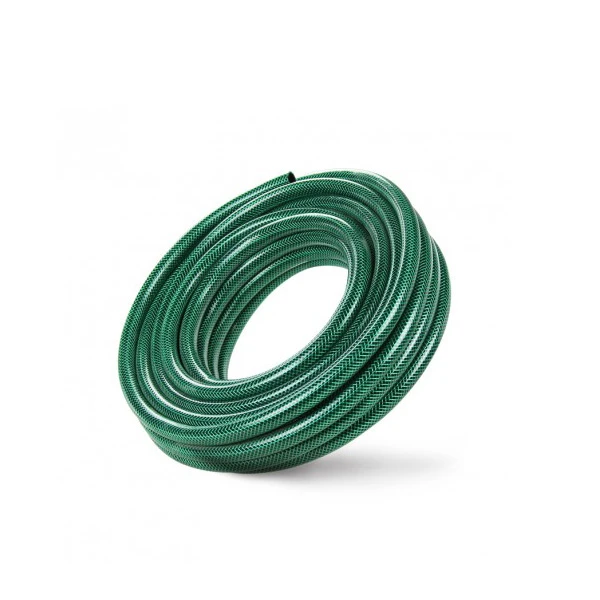
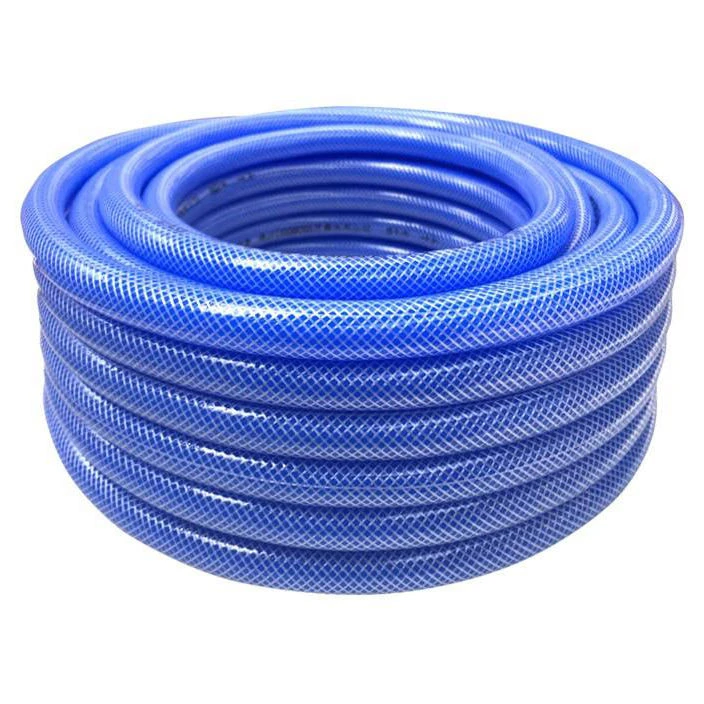
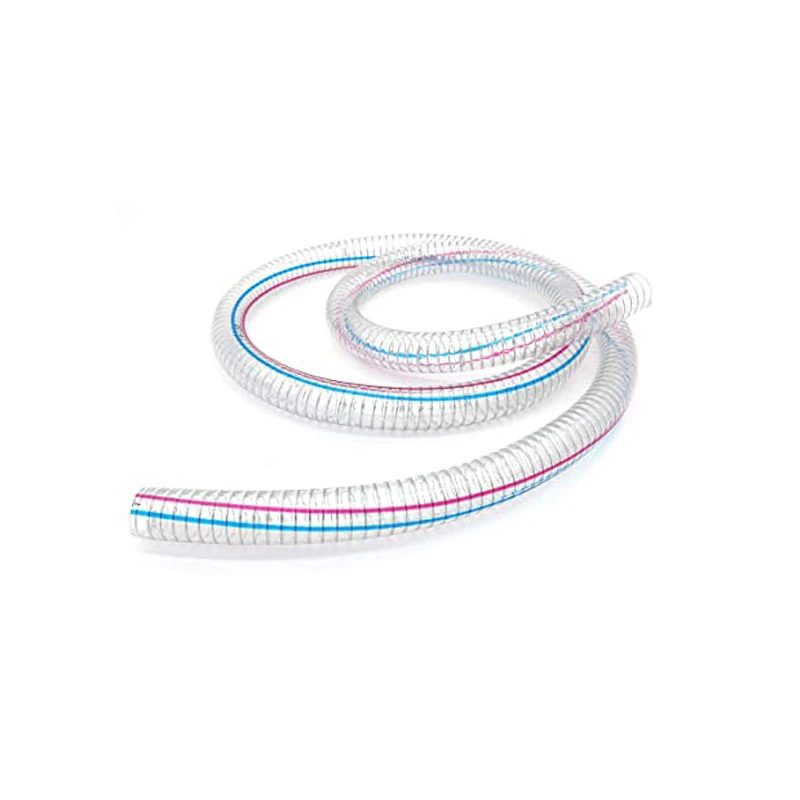
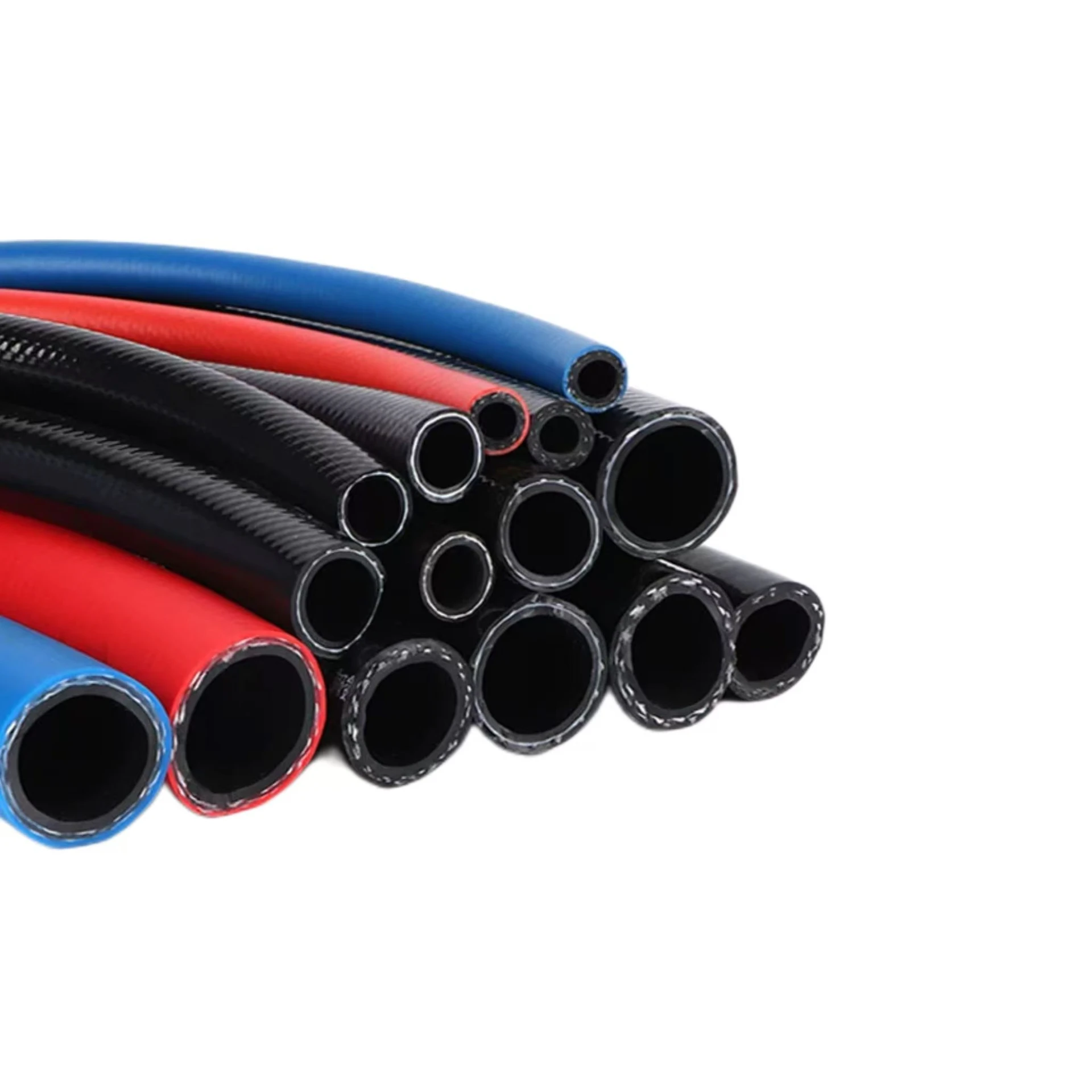
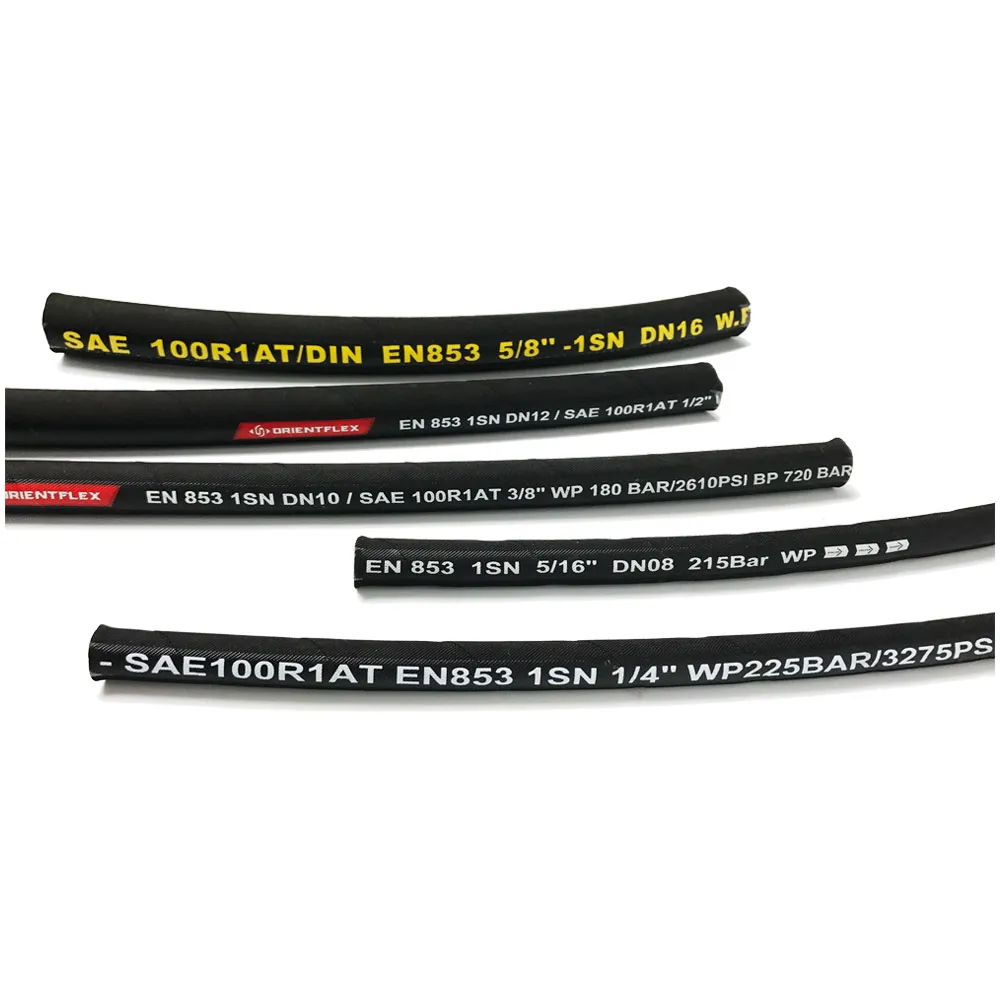
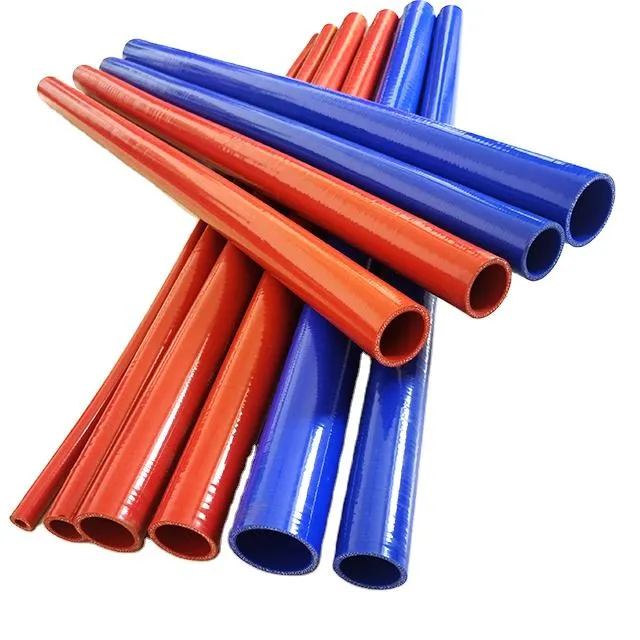
At its core, a hot water washdown hose is a flexible tubing designed specifically to withstand the rigors of high temperature water, often up to 180°F (82°C) or even higher, depending on the model. Unlike general-purpose hoses, these are built with special materials like nitrile or EPDM rubber, reinforced with synthetic fibers or steel wire to resist bursts and abrasion.
The goal? To make hot water cleaning safer and more efficient — especially where chemicals or steam are involved. These hoses have roots in food processing, chemical manufacturing, and even humanitarian applications—think rapid sanitation in disaster relief camps or mobile clinics where hot water access is limited but critical.
Core Components that Make a Difference
Durability & Heat Resistance
Most washdown hoses are engineered to resist kinking, cracking, or softening under hot water pressure, ensuring longer life and fewer replacements. I’ve seen hoses that last years in heavy-duty kitchens where temperatures and workloads are relentless.
Flexibility & Handling
Long, unwieldy hoses are a nightmare on the job. The best hot water washdown hoses balance strength with pliability, so workers can maneuver them easily around equipment, corners, or vehicles without feeling like they need a gym membership.
Chemical Compatibility
Cleaning solutions vary and many can be harsh. Choosing hoses with compatible inner linings prevents degradation over time. For example, some hoses tolerate strong detergents or disinfectants, critical in food and pharma sectors.
Pressure & Temperature Ratings
Understanding your operational setting — whether it requires sustained pressure or burst capacity — guides hose choice. Ratings usually specify working pressure (e.g., 150 PSI) and max temperature.
Safety Features
Safety is paramount. Anti-bacterial or anti-microbial coatings, UV resistance for outdoor use, and visible striping for hazard awareness sometimes tip the scale during final decisions.
Real-World Uses & Global Reach
Hot water washdown hoses find their place in many sectors:
- Food & Beverage: Sanitation between batches, rinsing raw areas, CIP (clean-in-place) systems.
- Manufacturing Plants: Equipment cleaning, removing oils and greases.
- Firefighting & Emergency Services: Hose lines used in decontamination and gear cleaning post-incident.
- Disaster Relief Operations: Portable sanitation stations use these hoses for hygiene under tough field conditions.
- Agriculture: Washdown of machinery and livestock stalls to reduce disease risk.
Regions like North America, Europe, and Asia-Pacific show growing industry demand, driven by evolving hygiene regulations and automation advances.
Mini takeaway: Whether in a busy factory in Germany or a relief camp in Southeast Asia, the hot water washdown hose quietly ensures cleanliness and safety.
Specifications at a Glance
| Specification | Typical Value |
|---|---|
| Material | EPDM / Nitrile Rubber |
| Inner Diameter | 1/2" to 2" |
| Max Operating Temperature | ~180°F (82°C) |
| Max Working Pressure | 150–300 PSI |
| Reinforcement | Synthetic fiber / Steel braided |
| Length Options | 10 ft, 25 ft, 50 ft + custom |
Comparing Top Vendors for Hot Water Washdown Hose
| Vendor | Material Quality | Temperature Range | Customization | Approx. Price |
|---|---|---|---|---|
| ZSmart FlexHose | Superior EPDM/Nitrile | Up to 185°F (85°C) | Custom lengths & fittings | $$ |
| HoseTech Inc. | Standard EPDM | Up to 160°F (71°C) | Limited options | $ |
| Durawash Solutions | EPDM with Steel Reinforced | Up to 190°F (88°C) | Wide range, including antimicrobial | $$$ |
Why Invest in Quality Hot Water Washdown Hoses?
There’s a tempting impulse to pick the cheapest hose—until it cracks, kinks, or let’s you down mid-cleaning. Many engineers emphasize the role these hoses play in safety compliance and efficiency. They reduce contamination risk, lower replacement costs, and frankly, make the work less frustrating.
From an emotional standpoint, there’s a clear dignity in knowing your equipment is maintained properly and safely. Reliable hoses improve workplace morale by causing fewer interruptions and accidents. Innovation in hose materials and design also signals trustworthiness in industrial partnerships — a value that pays dividends beyond mere specs.
Looking Ahead: Trends to Watch
As sustainability creeps into every supply chain sector, expect greener, recyclable materials to dominate future hose construction. Nanotechnology coatings that resist biofilm formation are just around the corner, promising even safer cleaning environments.
Automation and IoT integration may soon enable hoses embedded with sensors to monitor pressure and temperature in real-time — avoiding costly failures before they happen. Plus, as green energy adoption grows, hot water systems powered by renewables will push demand for hoses capable of handling variable temperature ranges efficiently.
Facing the Hurdles: Common Challenges and Fixes
Despite advances, challenges linger. Temperature spikes beyond hose ratings, unexpected chemical exposure, and rough handling still shorten hose lifespans. Investing in training for proper handling alongside choosing hoses rated above your maximum expected use helps. Also, occasional routine inspection for micro-cracks or leaks is vital.
Specialty hoses with multilayer construction and reinforced braiding can drastically increase durability, while better-standardized testing (aligned with ISO 18752 for hoses) helps buyers avoid costly mismatches.
FAQ: Common Questions About Hot Water Washdown Hose
1. What temperature ranges can typical hot water washdown hoses handle?
Most hoses handle operating temperatures up to roughly 180°F (82°C), but some reinforced models can go higher, nearing 190°F. Always check manufacturer specs for exact ratings to ensure safe use.
2. How do I know which hose material is best for my industry?
Consider the chemical profile of your cleaning agents and the temperature application. EPDM rubber is popular for its chemical resistance, while nitrile excels with oils and fuels. Consulting vendor specs and sometimes small batch tests usually help.
3. Are custom hose lengths and fittings readily available?
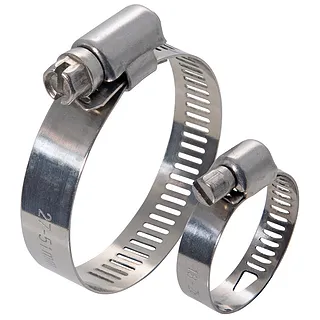
Yes! Many suppliers, including hot water washdown hose specialists, offer tailored solutions to fit your site setup and connection requirements.
4. How often should I replace a hot water washdown hose?
Depends on usage and conditions, but a good rule is to inspect regularly and replace every 1–3 years—or sooner if cracks or leaks appear.
5. Can these hoses be used outdoors in extreme weather?
Many are designed with UV and abrasion resistance to handle outdoor environments, though extreme cold or heat might require specialized models.
Bringing It All Together
We tend to overlook the humble hot water washdown hose, but it’s truly a backbone of hygienic and efficient operations worldwide. Investing in the right hose adds layers of safety, sustainability, and peace of mind to your industrial or commercial cleaning regimen. Whether for tightening regulations or future-proofing your facility, it pays to know your options and choose wisely.
If you want to explore high-quality, customizable options, visit our website and discover how the right hose can make a difference in your daily operations.
References
Z-Smartflex delivers superior-quality industrial hoses and fittings with global reliability, offering you durable solutions and exceptional service for all your fluid transfer needs.