Understanding High Temp Rubber Hose: Why It Matters in Today’s World
At first glance, a high temp rubber hose might seem like just another industrial component — flexible tubing that can withstand a bit more heat than usual. But in reality, these hoses play a critical role in everything from manufacturing to disaster relief, and even in the clean energy push that’s shaping our future. Understanding what they are, where they shine, and why industries across the globe rely on them means appreciating an often-overlooked piece of the industrial puzzle.
Globally, there’s a rising demand for materials that can endure extreme conditions without failure, especially in sectors handling hot fluids or gases. Ultimately, the main benefits of knowing about high temp rubber hoses are improved safety, operational efficiency, and long-term cost savings — all crucial in today's fast-paced industries.
High Temp Rubber Hose in a Global Context: More Important Than Ever
According to data from the International Standards Organization (ISO) and the World Bank, industries such as petrochemical, automotive, aerospace, and energy contribute trillions in global output — and they all require reliable high-temperature tolerant solutions. The global industrial hose market alone is projected to grow by roughly 5% annually, fueled in part by growing standards for material durability and safety.
But why does heat resistance matter so much? Simply put, many processes generate temperatures far above what normal hoses can endure. Without proper equipment, the risks of fire, leaks, or catastrophic failures skyrocket. Moreover, replacing failing hoses is costly — not to mention the downtime and potential environmental hazards.
What Exactly Is a High Temp Rubber Hose?
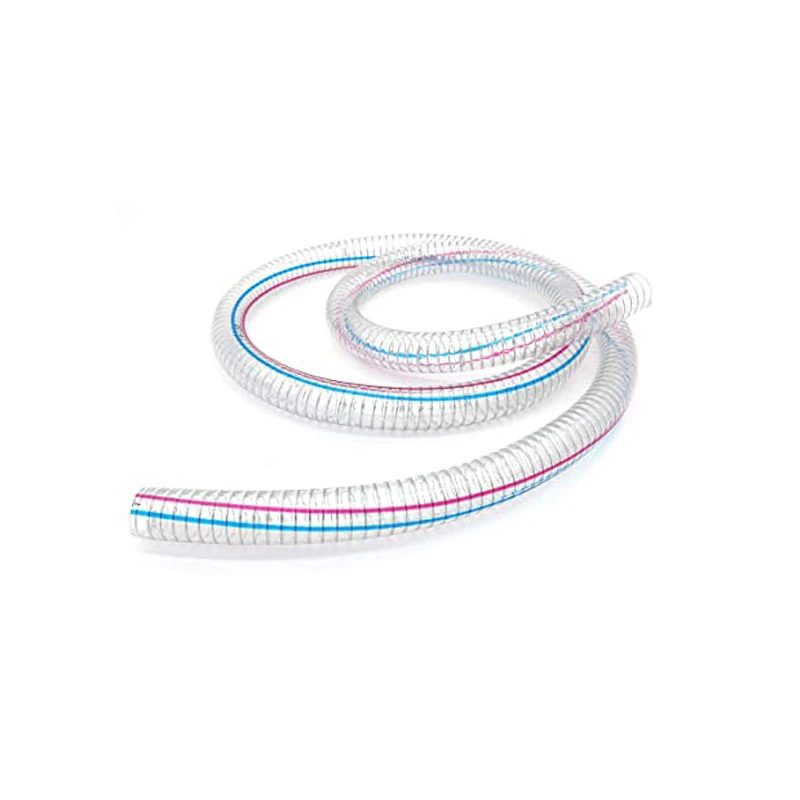
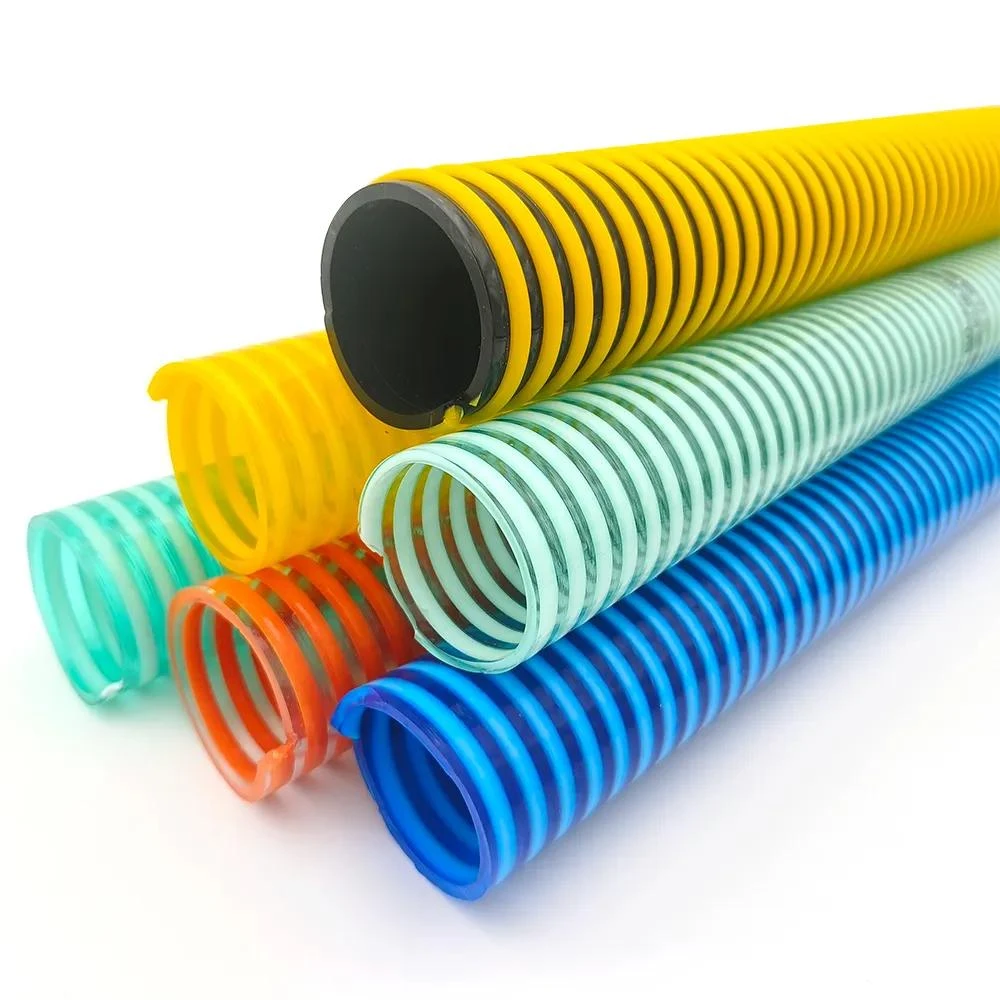
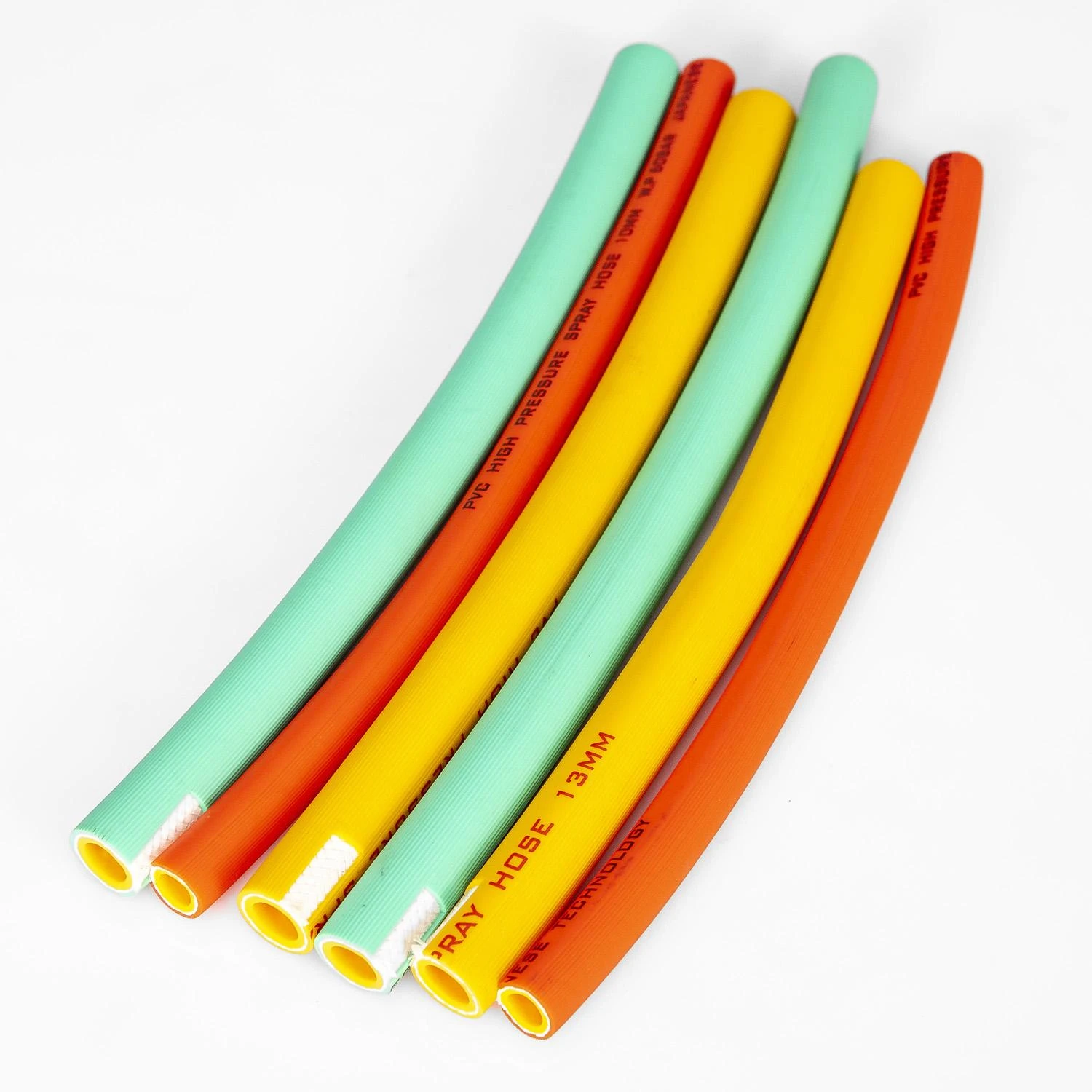
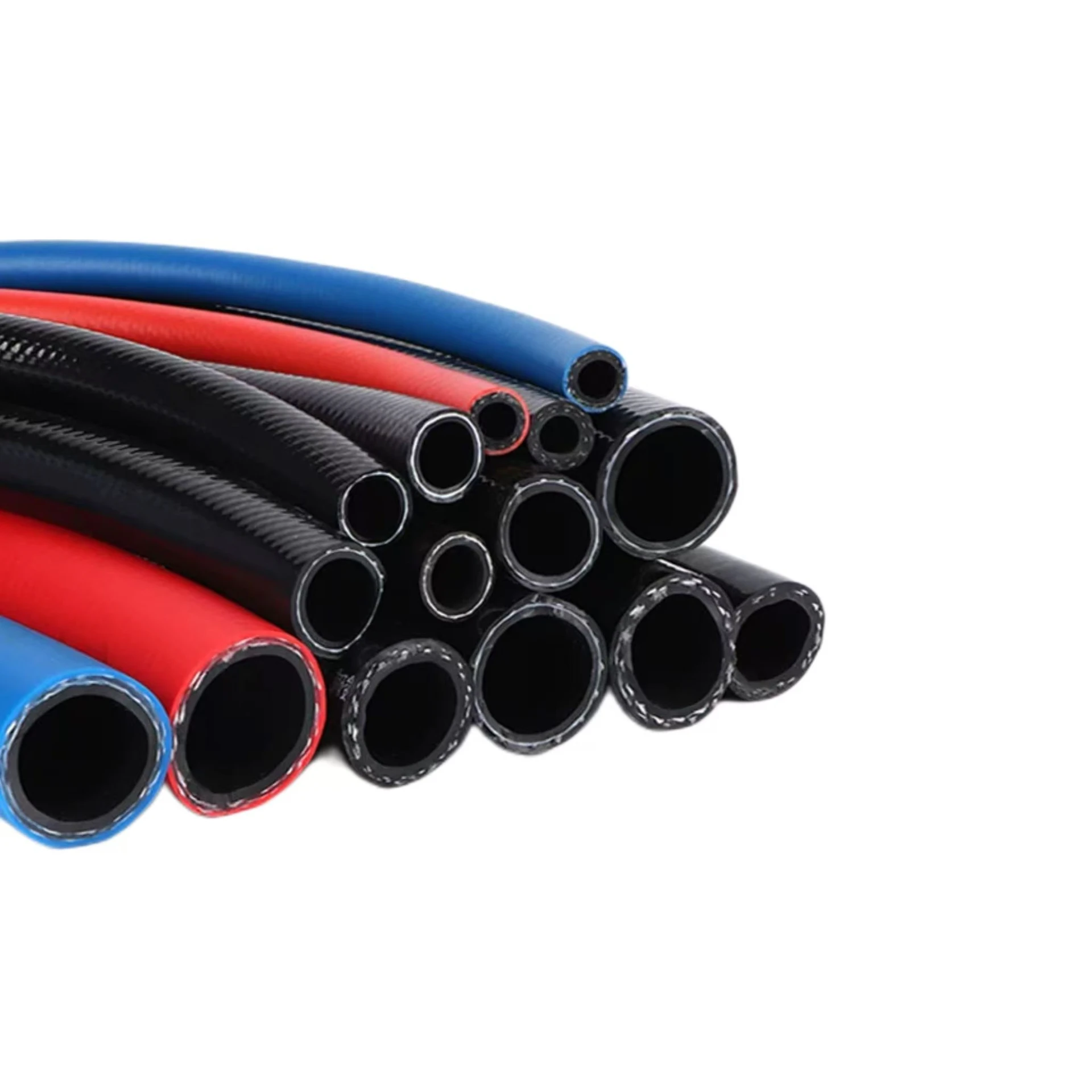
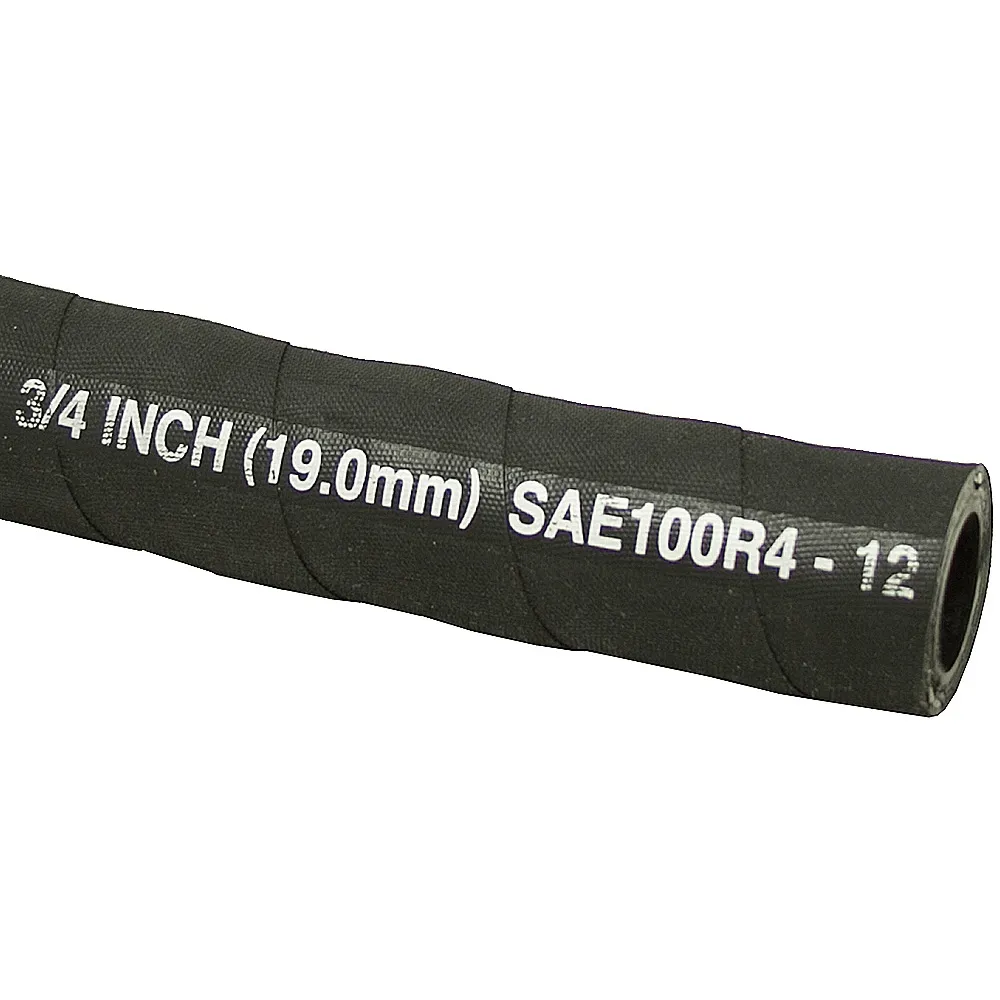
In straightforward terms, a high temp rubber hose is a flexible tube made primarily from rubber compounds engineered to withstand elevated temperatures — often ranging from 150°C to over 300°C (300°F to 600°F). Unlike standard rubber hoses that might melt, crack, or degrade under heat, these are designed with specialized polymers, reinforcements, and sometimes metal or fabric braiding to hold strong.
They’re indispensable in modern industry but also surprisingly connected to humanitarian work — think of firefighting hoses, engine cooling systems in rescue vehicles, or equipment used in remote areas where temperature extremes are the norm. The durability and adaptability make them a quiet hero in many vital operations.
Core Components and Key Factors
1. Durability: Designed to Last, Often Tougher Than You’d Assume
The fabric reinforcement inside these hoses isn’t just fluff — it provides tensile strength and prevents bursting under pressure and heat stress. The rubber’s chemical makeup resists abrasion, ozone, and UV degradation, making them suitable for outdoor or harsh environments.
2. Temperature Range: High Heat, No Sweat
Depending on the compound and construction, high temp rubber hoses can handle continuous exposure to heat plus sudden fluctuations. Some even tolerate steam or hot oil — key for industries like manufacturing or power generation.
3. Flexibility & Scalability
Maintaining easy bending and routing capabilities without kinks or cracks is essential. These hoses come in a variety of diameters and lengths, customizable for everything from tiny lab setups to sprawling industrial plants.
4. Cost Efficiency: Balancing Price and Performance
Sure, these hoses cost more upfront than a standard rubber hose, but their lifespan and reduced downtime often make them a better investment over the medium to long term.
5. Safety Compliance
Many manufacturers stick to strict standards such as SAE J20 or EN standards to ensure product reliability in critical applications, reducing the risk of accidents.
Product Specification Table
| Specification | Typical Range | Notes |
|---|---|---|
| Max Operating Temp | 150°C - 300°C (300°F - 572°F) | Varies by compound & reinforcement |
| Pressure Rating | 1-30 bar (15-450 PSI) | Depends on diameter and construction |
| Materials | EPDM, Silicone, NBR, Carbon Fiber Reinforced | Custom blends for specific chemical resistance |
| Standard Lengths | 1m to 50m rolls | Custom cuts available |
| Compliance | SAE J20, EN 13765 | Ensures reliability and safety |
How High Temp Rubber Hoses Are Used Around the World
From refineries in the Middle East to automotive plants in Germany and fire-fighting units in California, these hoses are everywhere. Oddly enough, they’re even vital in humanitarian missions in disaster-hit zones. When relief groups send in vehicles and temporary power generators, the ability to quickly patch or connect machinery without fearing hose failure can make all the difference.
In Asia’s growing manufacturing belt, for example, high temp rubber hoses are used in sensitive chemical transfer lines preventing leaks of hazardous, high-temperature fluids. In the US, they’re integral to aerospace ground support equipment where temperature swings are harsh and reliability is non-negotiable.
Below is a comparison that helps you see at a glance how vendors match up on core aspects:
Vendor Comparison Table
| Vendor | Max Temp | Pressure Range | Customization | Price Level |
|---|---|---|---|---|
| ZSmartFlex Hose | 300°C | Up to 30 bar | High (custom blends, sizes) | Mid |
| HeatFlex Solutions | 280°C | 25 bar | Medium | High |
| Thermo Hose Corp. | 250°C | 20 bar | Low | Low |
Why Invest in a High Temp Rubber Hose? The Long-Term Gains
When you think about it, reliability comes first. A hose failing in operating conditions can halt production, cause environmental damage, or worse, injure workers. High temp rubber hoses reduce those risks by offering consistent performance. Engineers I’ve chatted with praise how such hoses minimize downtime, which translates not only into saved money but also trust from clients and operators.
There’s also an environmental angle: more durable hoses mean fewer replacements, which cuts down on waste and lowers carbon footprints. And with certain advanced compounds, you get resistance to chemicals and ozone, which protects water sources around industrial plants.
On a more human note, imagine emergency responders relying on hoses that won’t crack under heat in a wildfire scenario — that’s not just efficiency, it’s saving lives and livelihoods. So the emotional and social benefits are deeply woven into the fabric, not just the technical specs.
What’s Next? Future Trends in High Temp Rubber Hose Technology
Innovation never sleeps, right? The next-gen high temp hoses are trending towards increased sustainability — bio-based rubber compounds and recyclable materials are getting attention. The IoT (Internet of Things) is trickling in, too, with “smart hoses” equipped with temperature and pressure sensors that alert operators before a failure might occur.
Also, expect more customization with 3D printing technologies influencing hose connector designs and tailored composites that balance heat resistance with lightweight flexibility. Regulatory shifts pushing greener manufacturing standards will only accelerate these advances.
The Challenges Ahead — And How Experts Recommend Overcoming Them
Here’s the reality check: despite the improvements, some industry players still run into issues like premature material fatigue, compatibility problems with exotic fluids, or installation errors causing hose damage. One way to mitigate these is thorough testing protocols — including accelerated aging tests and real-world pressure cycling.
Another solution is education — many operators underestimate the need for periodic hose inspection and replacement before signs of wear emerge. There’s also a push for better supplier transparency and certification, ensuring materials truly meet the advertised specs.
FAQ: Your Burning Questions About High Temp Rubber Hoses
- Q: What temperature range can a high temp rubber hose typically handle?
A: Most high temp rubber hoses handle continuous temperatures from 150°C up to about 300°C, with some specialized versions tolerating even higher. Check the manufacturer’s datasheet for exact specs. - Q: Can these hoses be used for steam applications?
A: Yes, but only hoses specifically designed with appropriate compounds and reinforcements for steam resistance should be used, as not all rubber hoses handle steam well. - Q: How often should high temp rubber hoses be inspected or replaced?
A: Regular visual inspections are recommended, ideally every 3–6 months depending on usage. Replacement depends on wear signs but generally every 1–3 years in rugged conditions. - Q: Are there eco-friendly options available?
A: Definitely — some manufacturers now offer hoses made from bio-based or recyclable materials, helping reduce environmental impact while maintaining performance. - Q: How customizable are these hoses?
A: Very customizable! Sizes, lengths, material blends, pressure ratings, and fittings can often be tailored to specific needs by vendors, including high temp rubber hose specialists.
Wrapping It Up: Why High Temp Rubber Hose Deserves Your Attention
It might not be the flashiest topic, but investing in quality high temp rubber hoses pays dividends in safety, reliability, and cost savings across many industries worldwide. These hoses quietly keep things flowing — literally — at temperatures and pressures that would see ordinary hoses fail fast.
If your operations demand durability and flexibility under heat stress, it’s worth exploring the options at ZSmartFlexHose, where customization and expert support can help you get just what you need.
So next time you spot a flexible black tube carrying hot fluids with confidence, you’ll know it’s probably a little engineering marvel working behind the scenes.
Mini Takeaways
- High temp rubber hoses combine chemistry, reinforcement, and design to withstand harsh heat reliably.
- Critical global industries rely on these hoses — from factories to emergency services.
- Future innovations focus on sustainability, smart tech, and better customization.
- Proper maintenance and quality sourcing are key to maximizing hose lifespan.
References
Z-Smartflex delivers superior-quality industrial hoses and fittings with global reliability, offering you durable solutions and exceptional service for all your fluid transfer needs.