Why a 40mm ID Rubber Hose Still Holds Its Ground in Industry
Having spent a decade or so around industrial equipment, I naturally scrutinize components like hoses that often get overlooked but actually do a lot of heavy lifting in fluid transfer systems. The 40mm ID rubber hose is one of those unsung heroes — reliable, versatile, and remarkably resilient. Oddly enough, despite all the tech advancements in polymers and composites, this size and type of hose remain a staple on many shop floors and construction sites.
Why 40mm inner diameter (ID)? Frankly, it hits a sweet spot: not too bulky to limit flexibility, yet large enough to handle decent flow rates for various fluids – oils, water, air, and sometimes mild chemicals. You’d think with all the customization options available, people might jump to more specialized solutions, but the robust, classic rubber hose just keeps ticking.
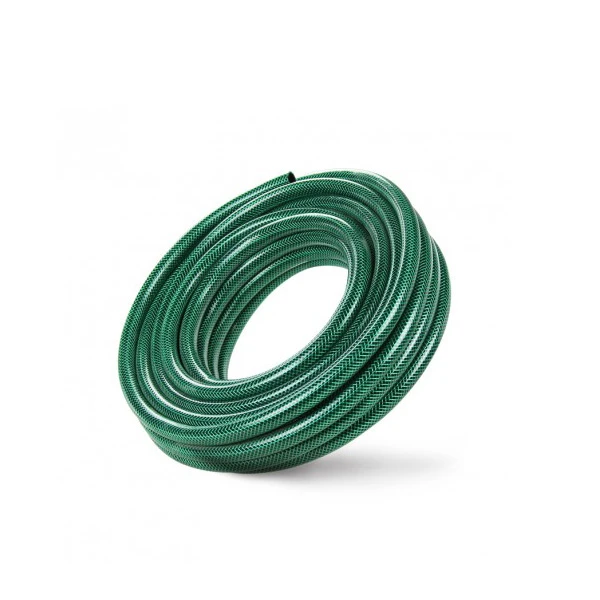
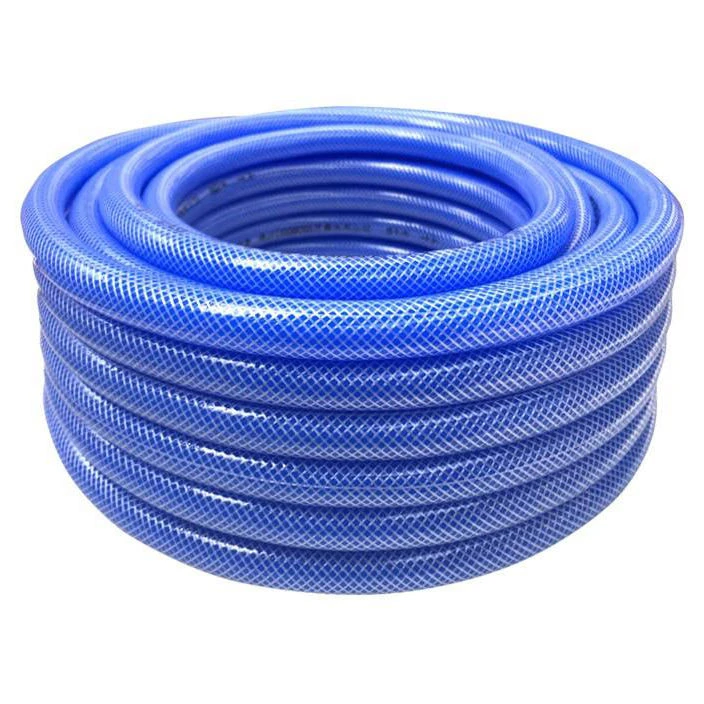
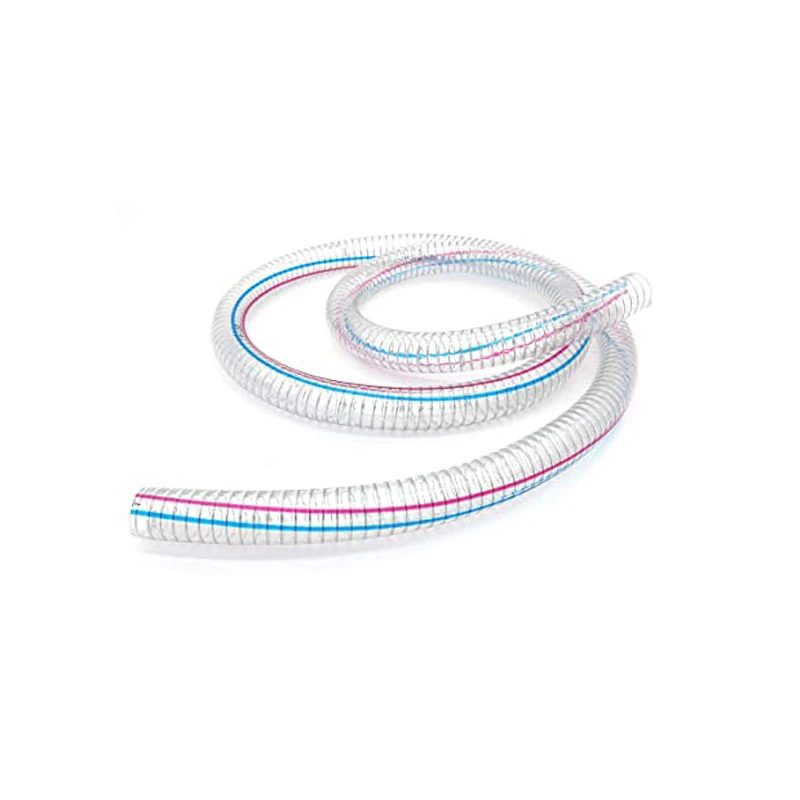
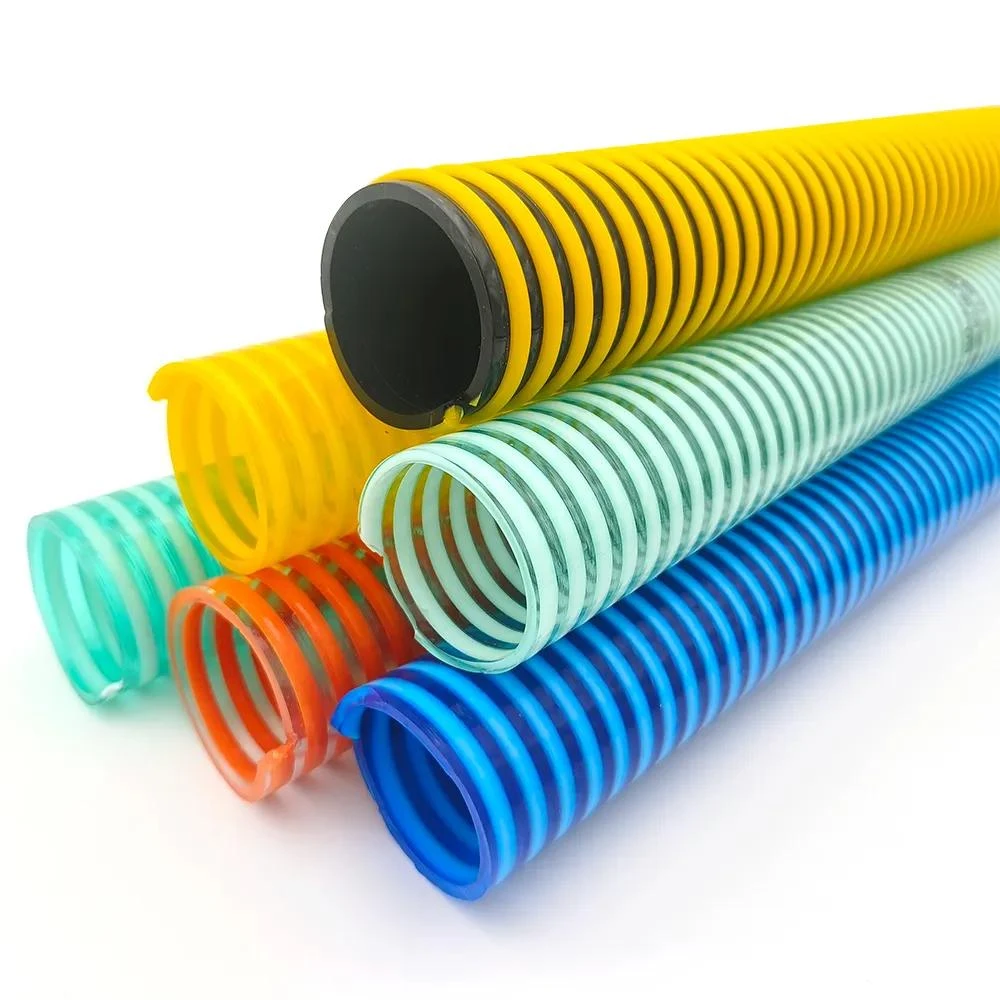
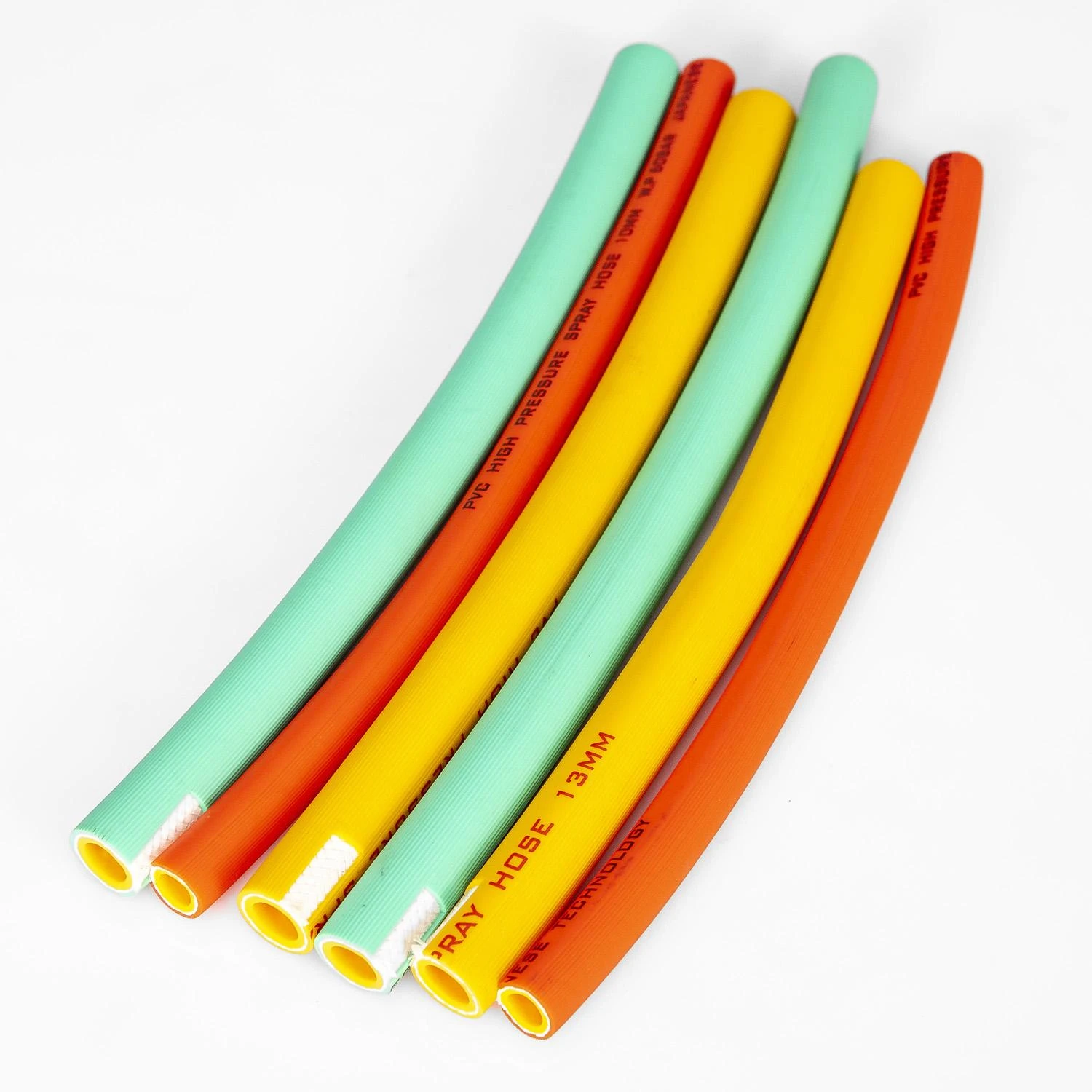
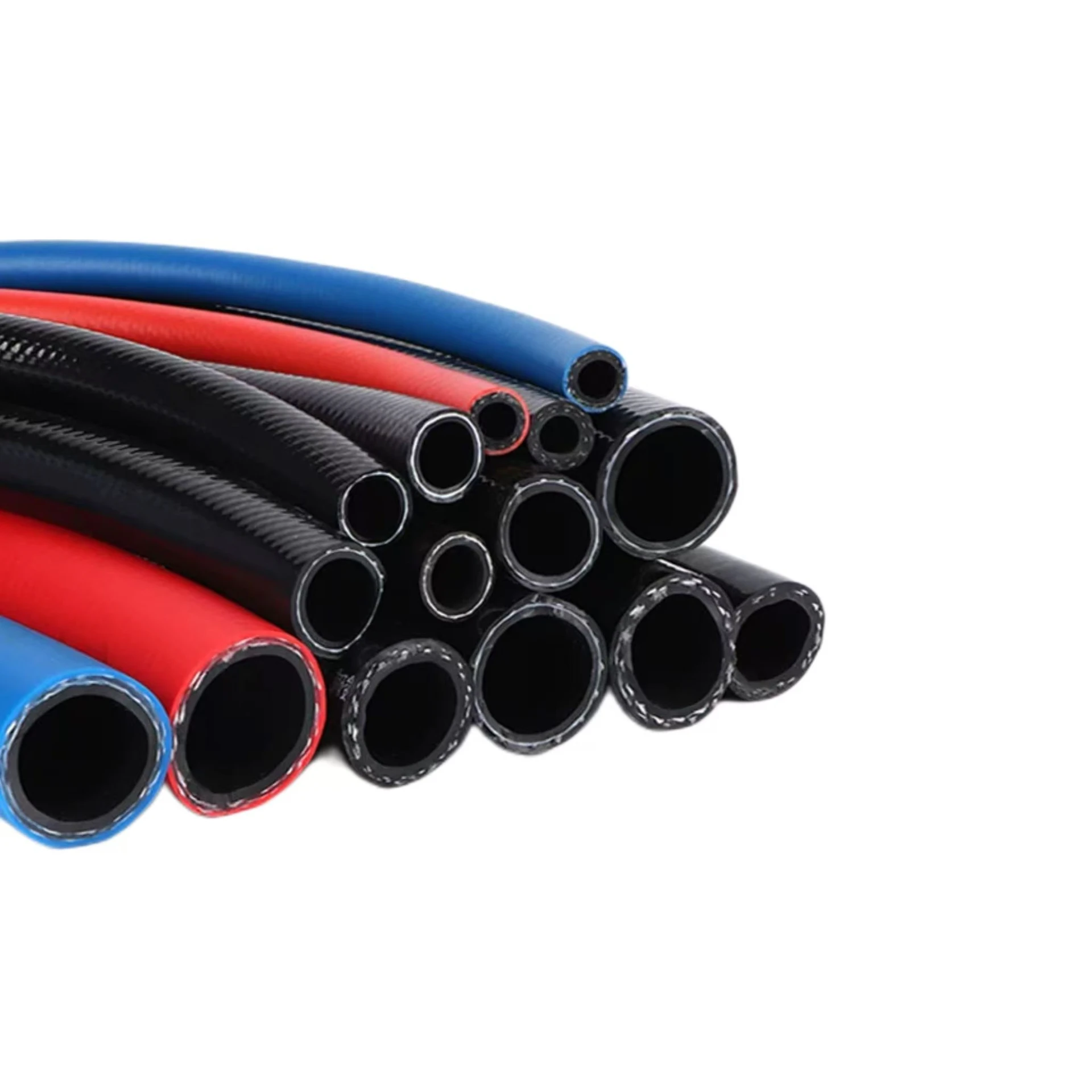
In real terms, what’s going on inside these hoses? The typical construction usually involves several layers — an inner synthetic rubber tube, a reinforcement braid or coil (often polyester or steel wire), then an outer protective layer that resists abrasion, ozone, and weather. Many engineers I’ve chatted with swear by a blend of natural and synthetic rubber compounds, providing excellent elasticity without breaking down too fast under pressure.
Testing standards matter, too. For example, ISO 18752 governs fuel and oil-resistant hoses, but you’ll also find hoses complying with SAE J30 for automotive-grade requirements or EN 12115 for chemical handling. I always pay close attention to maximum working pressure and burst pressure ratings. It’s a good idea to have at least a three-to-one safety margin, because a hose failure mid-operation can be catastrophic.
Customization? Yeah, there’s plenty of room to tweak things. Wall thickness, reinforcement type, and even color coding for different fluid types are common. That said, the basic 40mm size often comes “off the shelf” ready to go, which saves downtime — something production managers really appreciate during crunch times.
One small story: a client in mining once needed a hose that could handle abrasive slurry with grit particles — not your average garden-variety liquid. After swapping to a heavy-duty rubber compound with extra textile reinforcement, they noticed an unexpected bonus: the hose stayed pliable even in cold weather, unlike some thinner synthetic hoses that stiffened and cracked on site.
| Specification | Detail |
|---|---|
| Inner Diameter | 40 mm (± 0.5 mm) |
| Working Pressure | 10 bar (145 psi) |
| Burst Pressure | 30 bar (435 psi) |
| Temperature Range | -30°C to +80°C (-22°F to +176°F) |
| Material (Inner Tube) | NBR (Nitrile Butadiene Rubber) |
| Reinforcement | Polyester fiber braided |
| Outer Cover | SBR (Styrene Butadiene Rubber) with anti-UV |
When it comes to sourcing, there’s a surprisingly broad spectrum of vendors offering 40mm ID rubber hoses. Here’s a quick side-by-side snapshot of a few popular ones — at least the ones I’ve had direct experience or reliable data on:
| Vendor | Working Pressure | Warranty | Customization Options | Lead Time |
|---|---|---|---|---|
| ZSmart Flex Hose | 10 bar | 12 months | Wall thickness, length, cover color | 2 weeks |
| Alpha Hose Co. | 8.5 bar | 6 months | Length only | 3-4 weeks |
| Global Hose Mart | 12 bar | 9 months | Wall thickness, reinforcement type | 4 weeks |
It’s worth noting that in my experience, ZSmart Flex Hose balances quality and flexibility nicely. Their 40mm ID rubber hose options haven’t let me down on any of the major parameters, including durability and resistance to typical industrial wear and tear.
All in all, if you’re in a situation where you need a practical, proven workhorse hose, the 40mm ID rubber hose — like the ones from ZSmart — is a safe bet. It’s not flashy, but it’s consistent and adaptable, which in industrial settings often equals peace of mind.
So the takeaway? Sometimes, sticking with something you can trust instead of chasing gimmicks pays off handsomely… at least that’s been my takeaway after years of seeing hoses come and go.
References:
1. ISO 18752:2017 - Rubber hoses for fuel and oil lines
2. SAE J30 - Fuel and oil hoses
3. EN 12115 - Thermoplastic hoses for chemical products
Z-Smartflex delivers superior-quality industrial hoses and fittings with global reliability, offering you durable solutions and exceptional service for all your fluid transfer needs.