Why Marine Gas Line Hose Matters More Than You Think
If you’ve ever wondered how fuel reaches ships far out at sea or how offshore platforms manage flammable gases safely, you’re touching on the essential world of the marine gas line hose. While it might sound niche, its importance ripples across global shipping, energy, and even environmental safety.
Globally, maritime transport moves over 80% of traded goods by volume (source), making safe and efficient gas transport critical. Understanding marine gas line hoses—what they are, how they work, and why they're trusted—is key for engineers, logistics folks, and environmental stewards alike.
So, why does this hose deserve your attention? Because it’s quietly at the core of safe marine operations, preventing accidents, and even enabling new technologies in green shipping. Think of it as the lifeline for marine fuel and gas systems, marrying safety with practical flexibility.
Setting the Scene: A Global Perspective on Marine Gas Line Hose
The marine industry is booming; with over $12 trillion worth of goods transported by sea annually (UNCTAD), the infrastructure supporting safe energy transfer aboard ships is under constant pressure to keep pace. Ships and offshore rigs rely heavily on gas lines that meet stringent safety and performance standards.
However, handling volatile gases in marine environments throws unique challenges at pipework—corrosion from salty air, extreme temperatures, constant vibration, and the unforgiving nature of sea storms. That’s where specialized marine gas line hoses come into play, designed just right to shrug off those challenges.
Despite decades of progress, accidents still make headlines, highlighting the need for tougher, more reliable hoses worldwide. The right hose not only ensures safety but helps operators meet tough global environmental and safety compliance mandates, increasingly enforced by IMO and ISO standards.
What Exactly is a Marine Gas Line Hose?
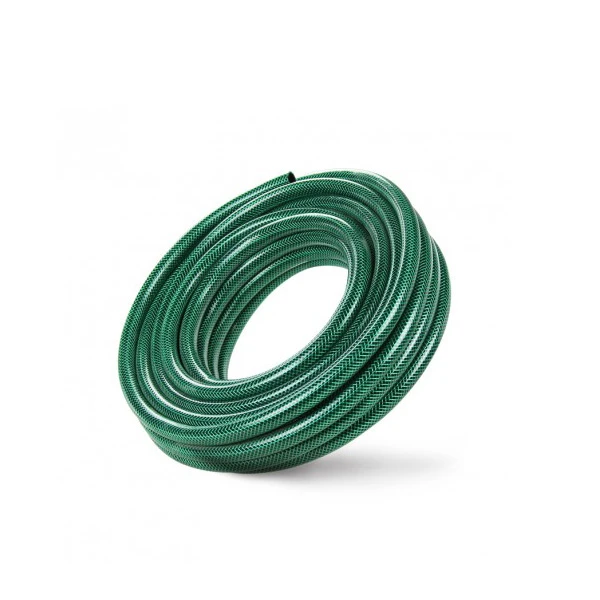
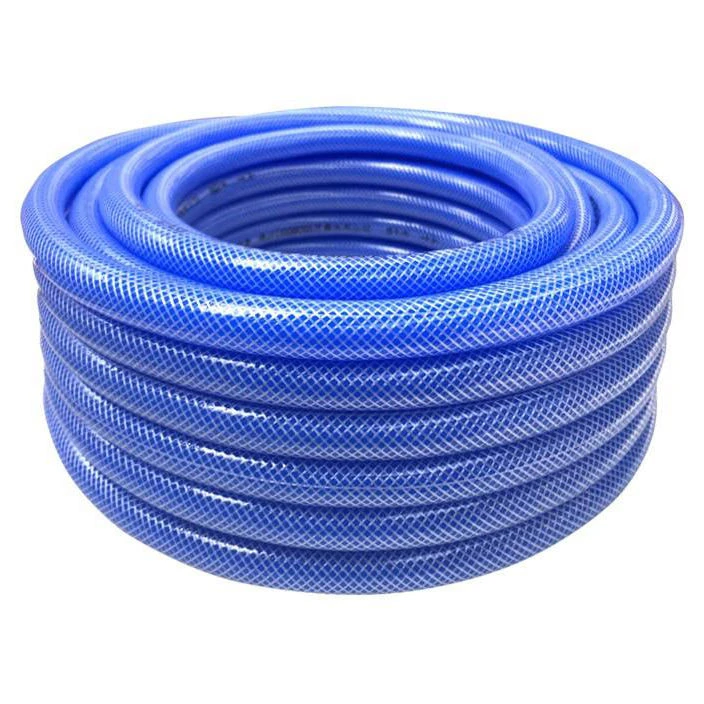
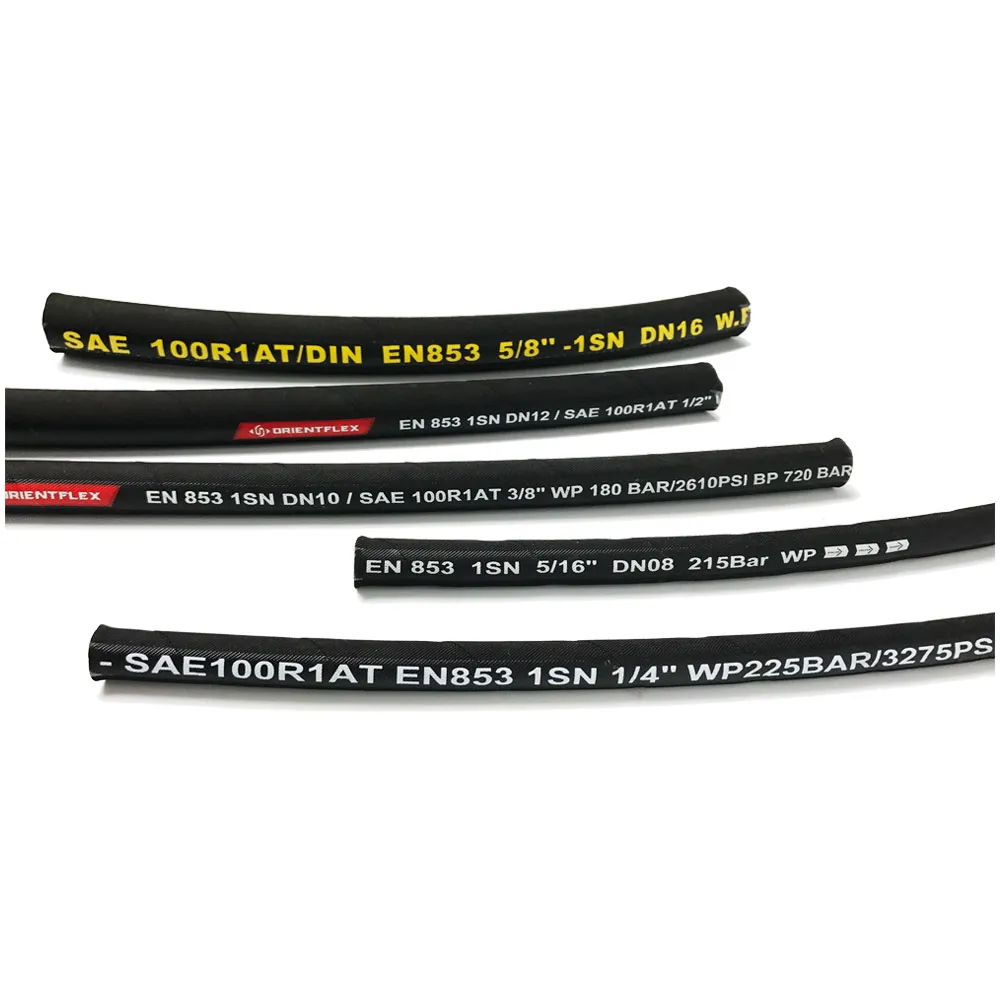
Simply put, a marine gas line hose is a flexible conduit designed to safely transport fuel gases—like LPG, LNG, or natural gas—onboard ships and offshore installations. They link storage tanks, engines, and fuel systems, and are crafted to sustain the harsh maritime climate without failure.
Compared to rigid pipes, these hoses offer flexibility for movement, ease of installation in tight engine rooms, and crucial resistance against factors like abrasion and temperature swings. Oddly enough, they serve a very modern purpose while relying on decades-old materials engineering innovations.
In humanitarian terms, these hoses could even become lifesavers when deployed in temporary marine-based disaster shelters or emergency fuel resupplies at sea.
Mini Takeaway:
Marine gas line hoses are much more than rubber tubes; they blend engineering, safety, and adaptability to tackle the tough marine environment head-on.
Key Qualities That Define a Top-Tier Marine Gas Line Hose
1. Durability Against Marine Corrosion
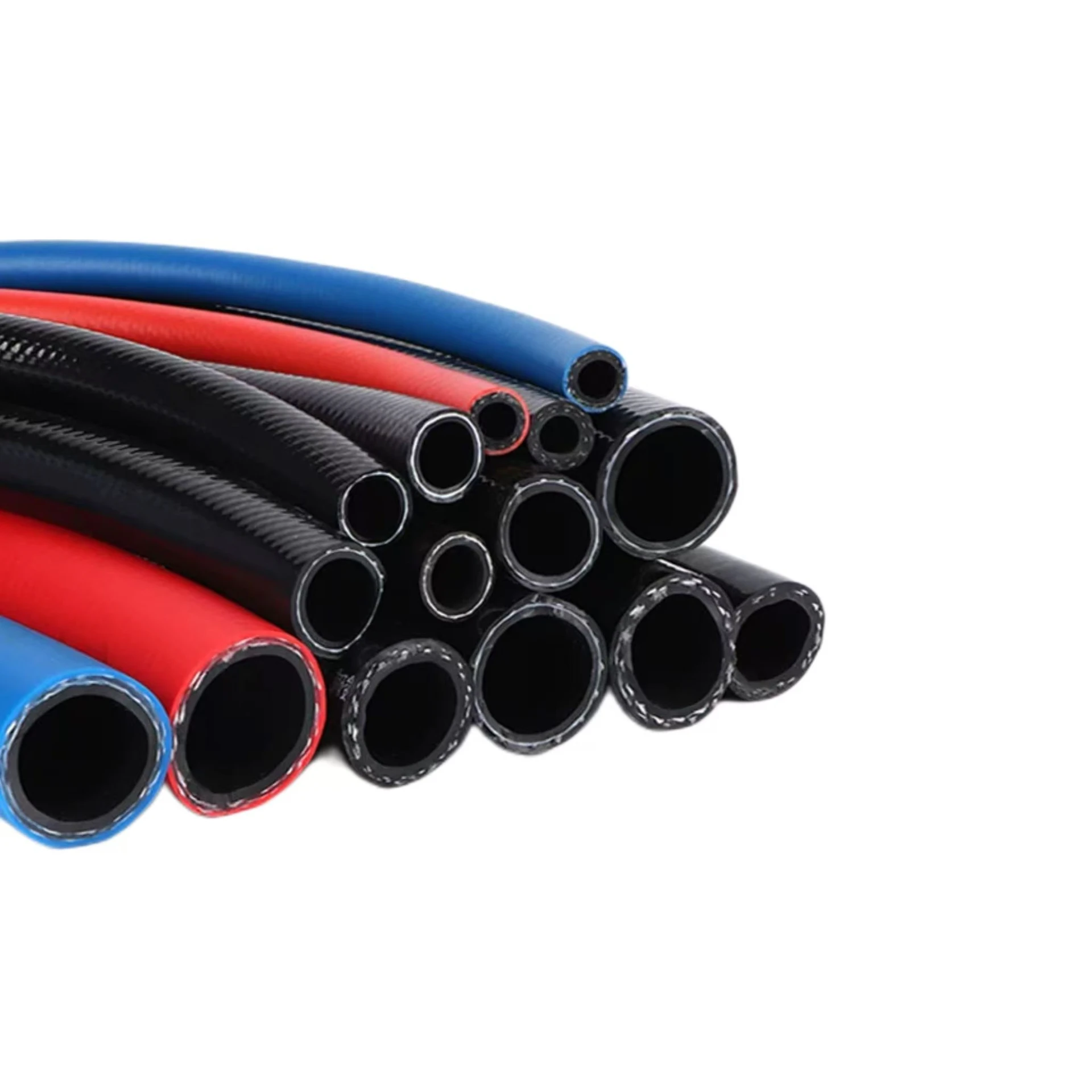
Saltwater is notorious for rusting metal and breaking down materials. Quality marine gas line hoses often feature layers of synthetic rubber, reinforced by stainless steel or textile braids that resist this relentless attack.
2. Flexibility and Movement
Ships aren’t static—they roll, pitch, and vibrate. Hoses need to bend without cracking or kinking, especially in engine rooms packed with equipment, reducing rupture risks during rough seas.
3. Safety and Compliance
These hoses must meet stringent certifications like ISO 15540 and IMO MSC.1/Circ protocols, ensuring safe pressure tolerance, fire resistance, and leak-proof construction. Many engineers I’ve spoken to insist this compliance is non-negotiable.
4. Temperature and Pressure Resistance
From freezing northern waters to tropical heatwaves, marine gas line hoses must handle wide temperature ranges and fluctuating pressure without degrading or compromising safety.
5. Chemical Compatibility
Different fuels or gas mixtures can be highly reactive, so hoses are often selected or custom-made with specific rubber or polymer compounds resistant to those chemicals.
6. Ease of Installation & Maintenance
Time at sea is money. Quick-connect fittings and standard lengths help speed installation and replacement, minimizing downtime and labor.
| Specification | Detail |
|---|---|
| Material | Nitrile rubber outer, polyester reinforcement braid, synthetic rubber inner |
| Operating Pressure | Up to 25 bar (360 psi) |
| Temperature Range | -40°C to +90°C (-40°F to +194°F) |
| Length Options | Typically 2 to 50 meters, customizable |
| Certifications | ISO 15540, IMO MSC.1/Circ.1312 |
Where Are Marine Gas Line Hoses Doing Their Heavy Lifting?
These hoses find homes in various settings across the globe, from massive container ships off the coasts of China and Europe to oil rigs in the Gulf of Mexico to luxury yachts docking in the Mediterranean.
- Commercial shipping fleets: For engine fuel delivery, bunkering operations, and LNG-based propulsion systems.
- Offshore drilling and production: Handling flammable gas between tanks and processing units reliably.
- Marine emergency response: Quick-deploy gas lines during fuel transfer or firefighting support.
- Military vessels: Demanding high safety and durability under extreme conditions.
For instance, in remote industrial zones of Alaska, sturdy marine gas hoses are lifelines maintaining heating systems against harsh winters. Meanwhile, in Southeast Asia, they're vital ingredients in booming LNG-fueled tugboats reducing carbon footprints.
Mini Takeaway:
Behind the scenes in multiple industries, marine gas line hoses quietly ensure smooth, safe operations where stops or failures simply aren’t an option.
The Real Perks: Advantages Worth Talking About
Let’s be honest—businesses don’t invest in hoses just because they’re “nice to have.” So, what makes marine gas line hoses worth every penny?
- Safety First: Prevents leaks and explosions through high-grade materials and robust construction.
- Cost-Effective: Flexibility reduces maintenance and downtime, which adds up to substantial savings.
- Sustainability: Fitted hoses reduce unintentional emissions, supporting greener maritime practices.
- Reliability & Trust: Operators report confidence in performance, which matters when you’re hundreds of miles from shore.
- Social Impact: Safer seas mean better conditions for crews and less environmental damage.
On a more emotional note, these hoses underpin innovation in marine energy, enabling transitions to low-emission fuels—something operators and environmentalists alike can get behind.
What’s Next? Trends and Innovations in Marine Gas Line Technology
The marine industry doesn’t stand still, and neither do the engineers behind gas line hoses. Some emerging trends have caught my eye lately:
- Green Materials: Biodegradable or recyclable hose components to reduce plastic waste.
- Smart Hoses: Sensors embedded to detect leaks or pressure drops in real-time—some call this “hose 4.0.”
- Enhanced Fire Resistance: New composites and coatings that can self-extinguish or survive even higher temps.
- Automation-Friendly Designs: Faster-install hoses with quick-connect systems for robotic or remote deployment.
It feels like the future is leaning hard into sustainability and digital integration—some combination guaranteeing safer and smarter marine fuel logistics.
Challenges & Clever Solutions
The sea isn’t forgiving, and even the toughest marine gas line hoses face problems like:
- Wear & Tear: Constant motion leads to abrasion.
- Chemical Degradation: Some fuels cause unexpected long-term damage.
- Installation Complexity: Working spaces aboard vessels are tight.
Yet, manufacturers are innovating with reinforced mesh layers, new rubber blends, and modular connectors that reduce installation fuss. Many engineers I spoke to swear by integrating predictive maintenance aided by sensors — a game-changer in avoiding costly downtime.
Vendor Snapshot: Comparing Leading Marine Gas Line Hose Suppliers
| Vendor | Product Range | Certifications | Customization Options | Lead Time |
|---|---|---|---|---|
| ZSmart Flex Hose | Standard & custom marine gas line hoses | ISO 15540, IMO certified | Full custom lengths, fittings, and materials | 2–3 weeks |
| OceanLine Supplies | Marine LPG and LNG hoses | ISO 9001, CE marked | Limited customization | 3–4 weeks |
| NautiFlex | Flexible marine fuel hoses | IMO MSC.1/Circ.1312 compliant | Pre-set sizes, some fitting options | 1–2 weeks |
Frequently Asked Questions About Marine Gas Line Hose
Q1: How do I know if a marine gas line hose is certified for my ship?
Look for hoses certified by international standards like ISO 15540 and IMO MSC.1/Circ.1312. These ensure the hose meets pressure tolerance, chemical resistance, and safety requirements fleets need.
Q2: Can marine gas line hoses be customized to fit unusual ship layouts?
Absolutely. Many vendors offer tailor-made lengths, fittings, and reinforcement materials designed to fit complex spaces while maintaining compliance and safety.
Q3: How often should marine gas line hoses be inspected or replaced?
Generally, inspection intervals depend on usage intensity and environmental conditions but expect rigorous checks annually and replacement every 5 years or sooner if wear is detected.
Q4: Are these hoses compatible with alternative marine fuels like LNG or biofuels?
Yes, but compatibility depends on the hose's material composition. It's essential to specify fuel type upfront so the hose can be engineered accordingly.
Q5: What steps can reduce installation errors on marine gas line hoses?
Use trained technicians, follow manufacturer installation guides carefully, choose quick-connect fittings, and utilize on-board monitoring tools to catch early issues.
Wrapping It Up: Marine Gas Line Hose as a Long-Term Maritime Partner
To circle back, marine gas line hoses aren’t just functional components — they’re critical safety players and innovation enablers in maritime fuel systems. Investing in quality materials and vendors pays dividends not only in cost savings but in peace of mind and compliance.
For those ready to upgrade or specify their next batch of marine gas line hoses, checking out reliable industry leaders like marine gas line hose manufacturers is a smart place to start. Remember, in unpredictable marine environments, the hose you trust could mean everything between smooth sailing and disaster.
References
Z-Smartflex delivers superior-quality industrial hoses and fittings with global reliability, offering you durable solutions and exceptional service for all your fluid transfer needs.