Heavy Rubber Hose: Why It Matters on a Global Scale
Heavy rubber hoses might not be the first thing that springs to mind when we think about global industry or humanitarian aid, but they are quietly essential. These robust, flexible conduits serve countless uses—from transporting water, oil, and chemicals to enabling critical disaster relief operations. With global infrastructure and industrial activity booming, the demand and relevance of heavy rubber hose technology are only growing.
According to ISO standards, proper hose construction reduces failures in pipelines and transfer systems, which otherwise could cause environmental hazards or costly downtime. So, understanding the nuances and benefits of heavy-duty rubber hoses isn’t just an engineering concern — it’s about safety, sustainability, and operational efficiency worldwide.
Mini takeaway: Heavy rubber hose technology links industries, environments, and communities by ensuring reliable fluid and material transfer — a small but mighty backbone of modern infrastructure.
Introduction: The Global Context of Heavy Rubber Hose
Heavy rubber hoses are a staple in sectors such as oil & gas, agriculture, mining, and construction, where tough conditions challenge equipment durability. The International Organization for Standardization (ISO) recognizes the role of hoses in safe fluid conveyance, and according to the World Bank, infrastructure investments have increased by 10% annually across Asia and Africa since 2015 — pushing up demand for reliable hose solutions.
But here’s a problem: many hoses fail prematurely because they aren’t designed or tested for extreme conditions. When hoses crack or burst during operations, the consequences can cascade — environmental spills, project delays, or safety hazards. That’s where heavy rubber hose tech steps in, designed specifically to prevent these costly failures.
What Exactly Is a Heavy Rubber Hose?
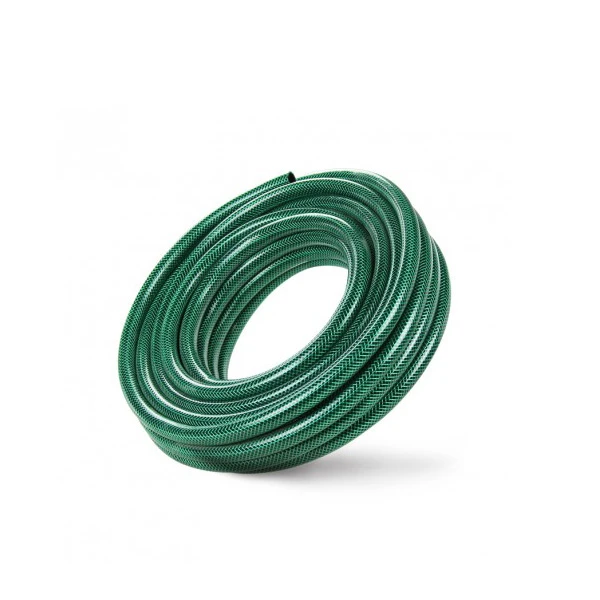
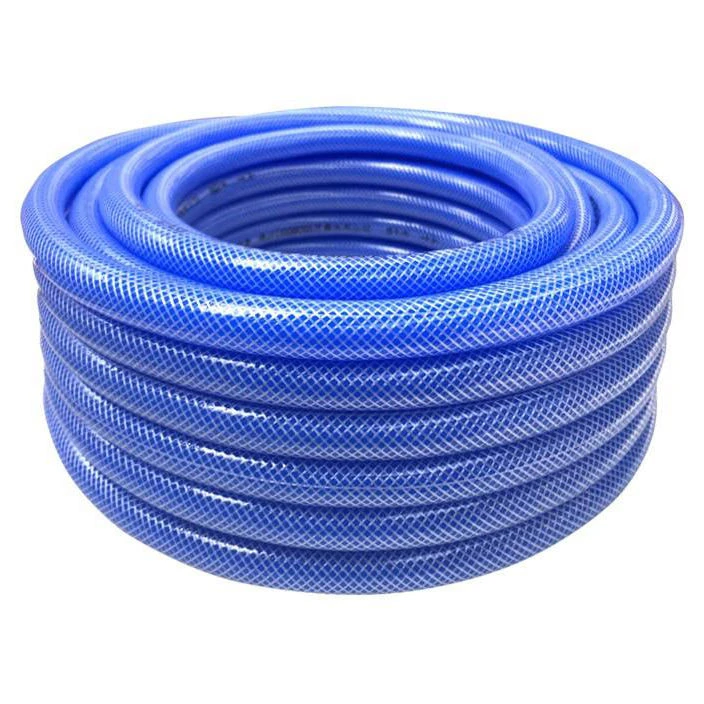
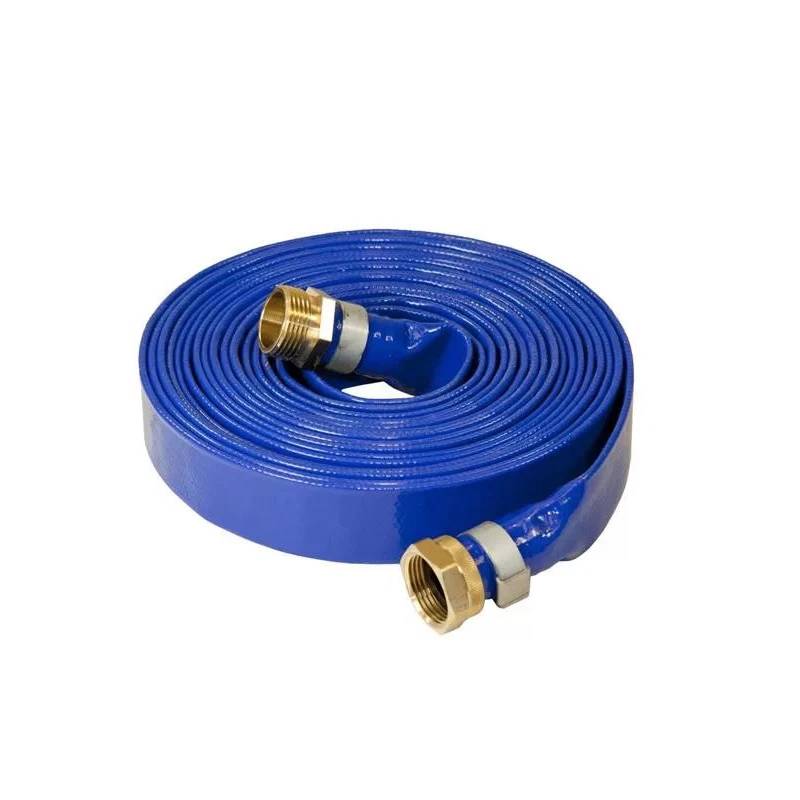
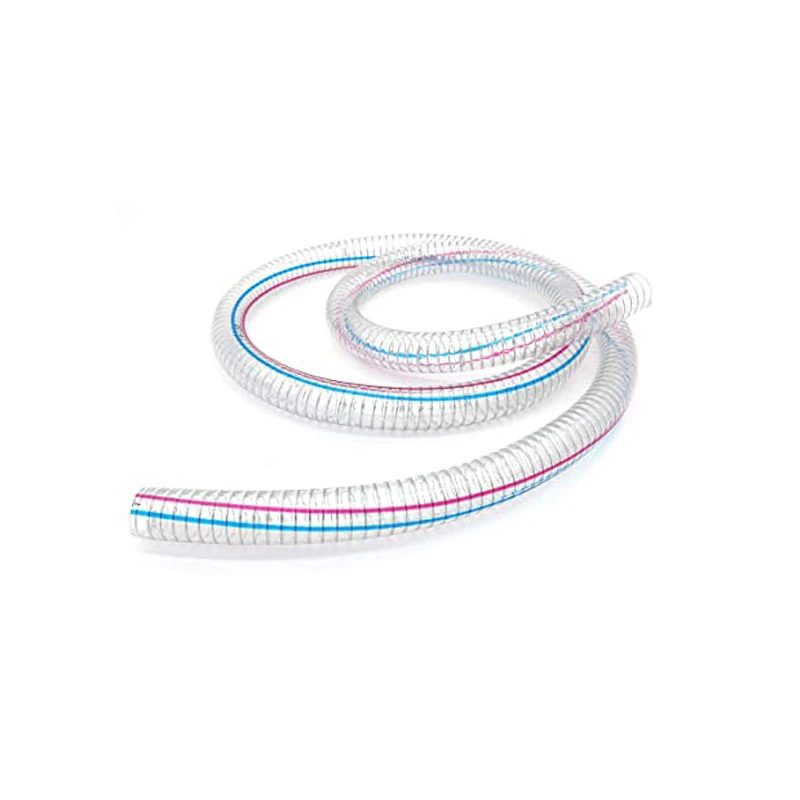
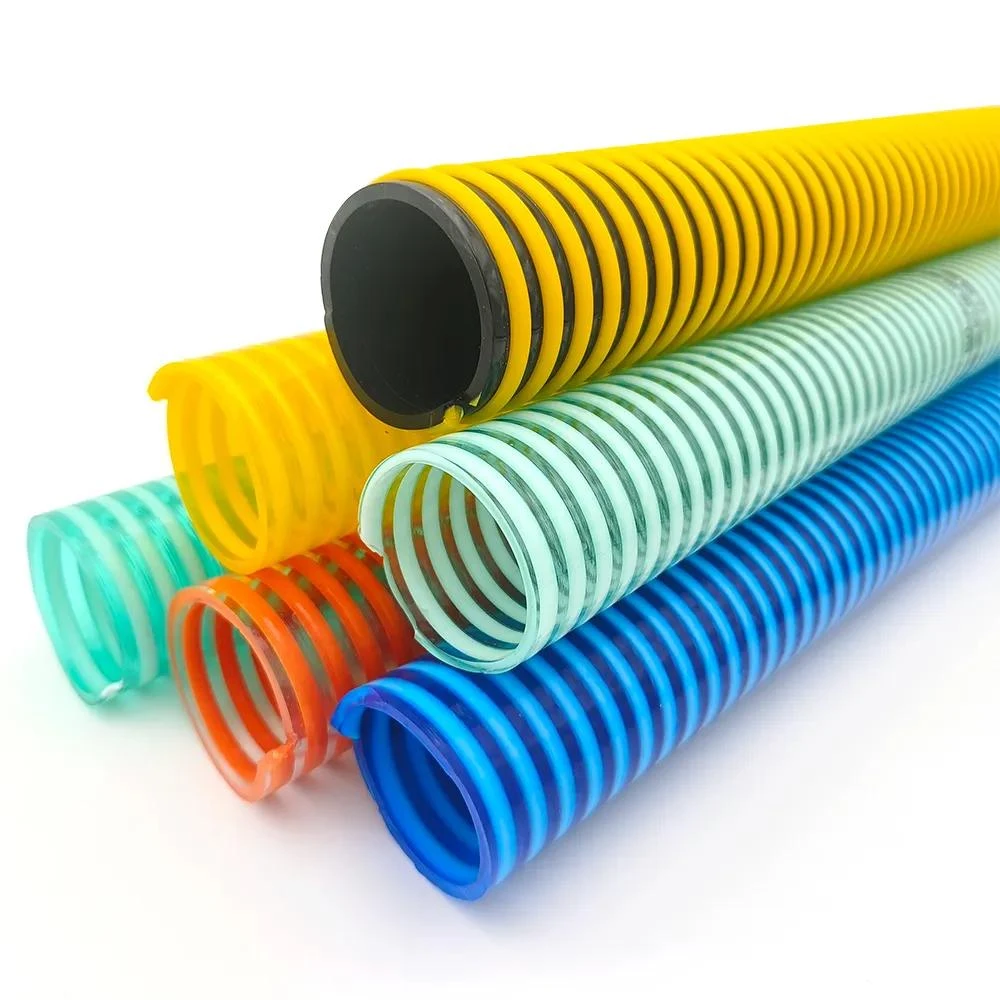
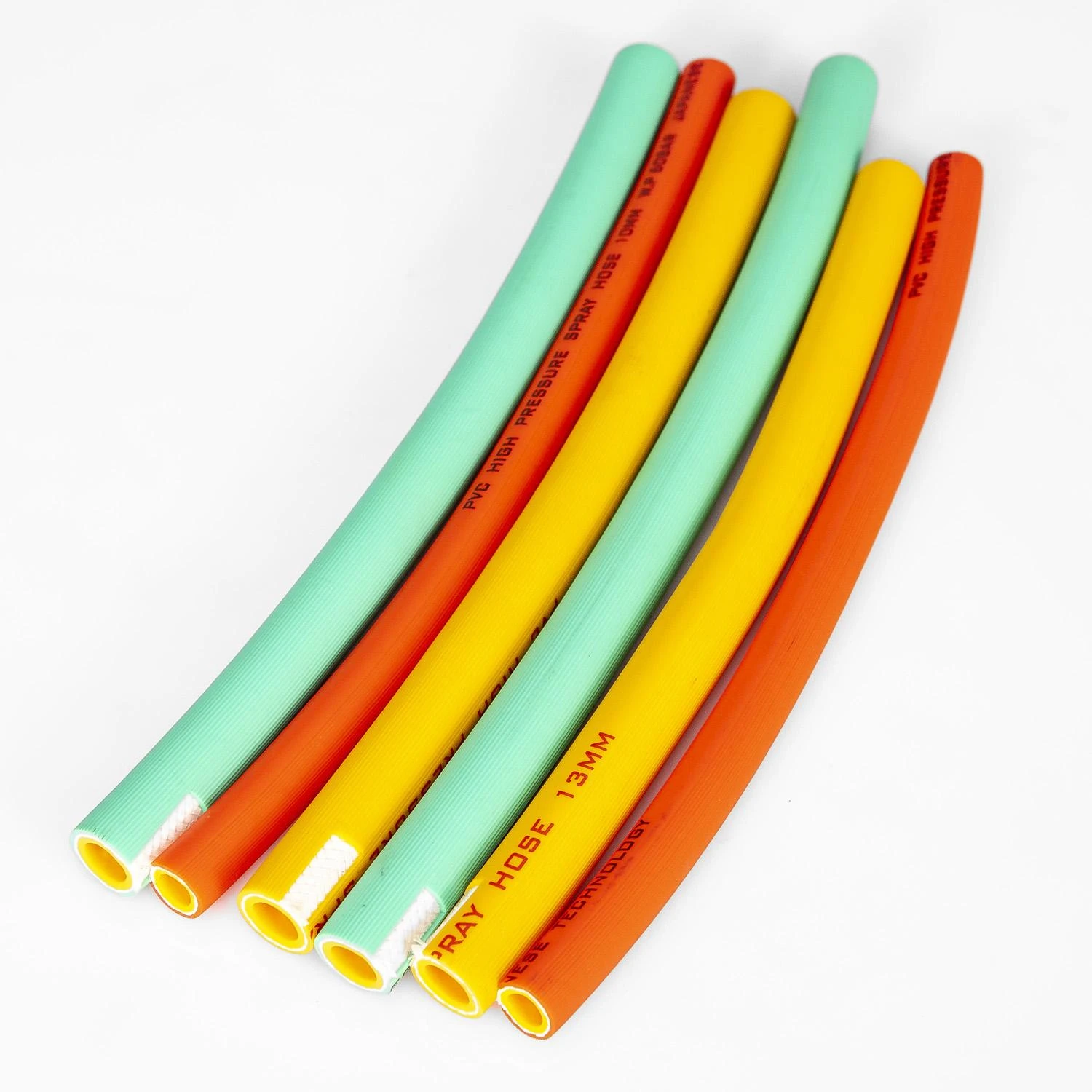
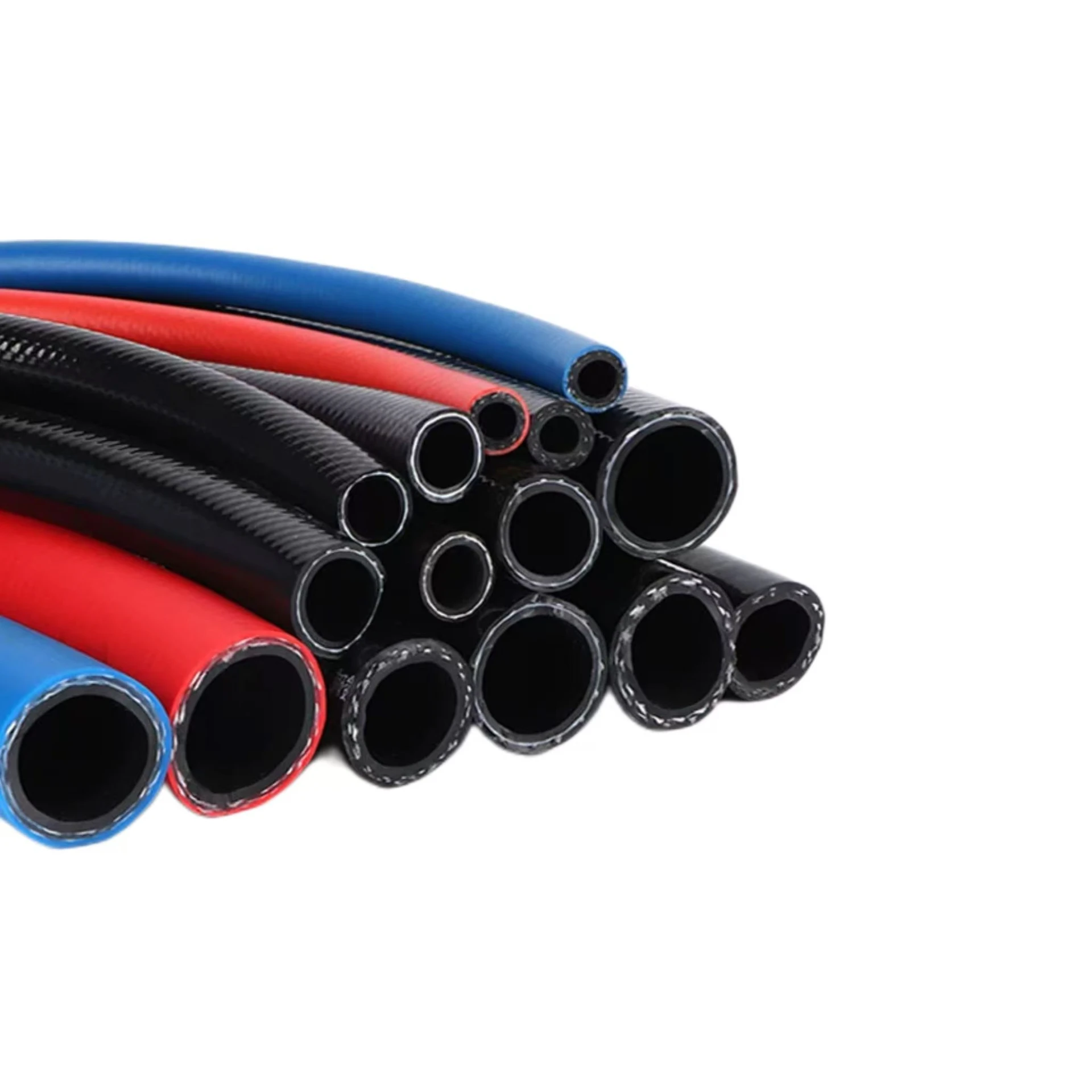
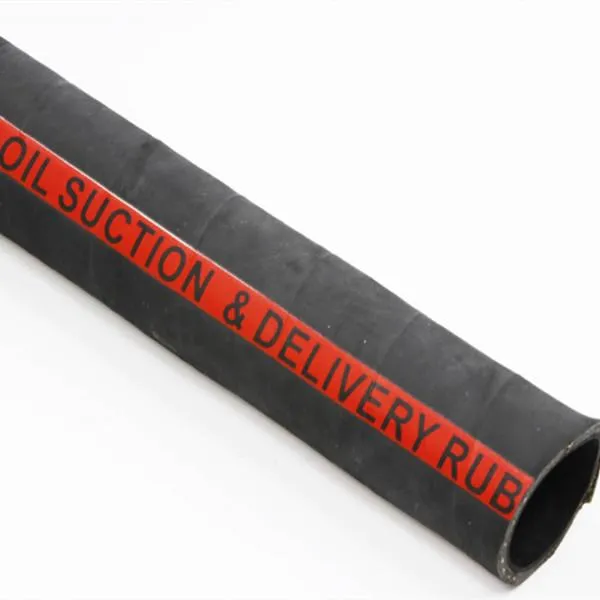
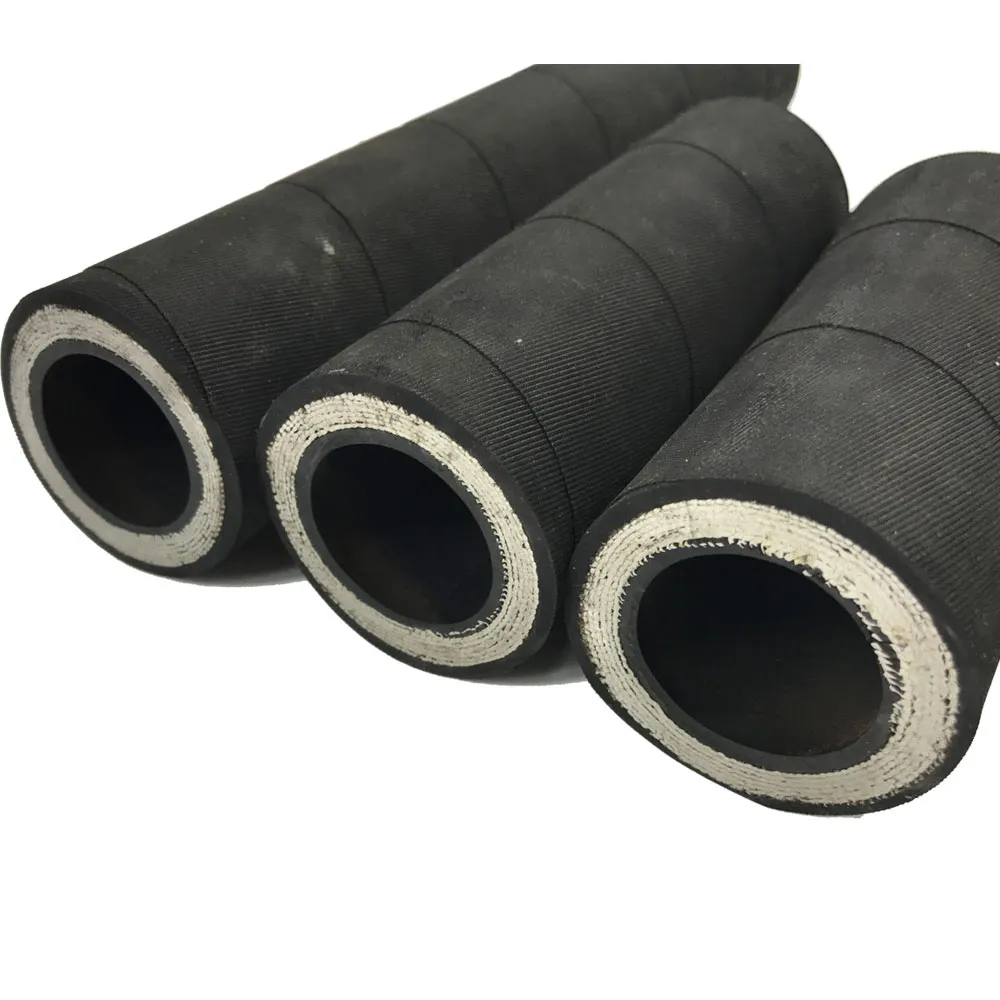
Simply put: a heavy rubber hose is a thick-walled, flexible tube made from reinforced rubber compounds, designed to handle high pressure, abrasive materials, and harsh environments. They usually incorporate textile or steel wire layers for strength, and external coatings for abrasion and weather resistance.
In modern industrial and humanitarian contexts, these hoses are literally lifelines. Think of evacuation efforts after floods or wildfires — supplying clean water quickly depends heavily on robust hoses that won’t kink or leak under pressure. Or consider mining sites in remote regions, where a durable hose keeps machinery running safely for weeks on end.
Core Components That Make Heavy Rubber Hoses Tick
Durability
Durability is the top priority. Heavy rubber hoses resist cuts, ozone, sunlight, and chemicals. This resistance is due to the particular rubber formulations and reinforcements used, which can vary depending on specific application requirements.
Pressure Ratings
These hoses can withstand high internal pressures; typical ratings range from 150 to over 400 psi. That means they can safely transport water, fuel, or slurry without risk of sudden failure — a crucial feature, especially in heavy industry.
Flexibility vs. Strength
Finding the balance between flexibility and strength is tricky. Too stiff, and handling becomes a chore; too soft, and they might deform or burst. Manufacturers often layer steel wire or synthetic fibers to strike this delicate balance.
Temperature Resistance
Heavy rubber hoses must operate in freezing climates or near hot engines. Good hoses withstand temperatures from -40°C up to 120°C or beyond, ensuring reliability in diverse environments.
Customization
I’ve noticed that tailored hose designs — for length, coupling type, or rubber compound — allow industries to meet very specific challenges, whether chemical resistance or extra abrasion protection. Customization can be a game-changer.
Mini takeaway: Durability, pressure handling, flexibility, temperature range, and customization compose the recipe for a top-tier heavy rubber hose.
Real-World Uses of Heavy Rubber Hose Across the Globe
The versatility of these hoses means they’re everywhere. For instance:
- Disaster Relief: After earthquakes or floods, NGOs rely on hoses to move potable water quickly to affected populations.
- Agriculture: Farmers use heavy hoses for irrigation systems that work even through rough terrain.
- Oil & Gas: Transferring petroleum products demands hoses that resist aggressive chemicals and high pressure.
- Mining Operations: In Australia or Canada, abrasive slurry transfer hoses are critical for maintaining workflow.
- Construction: Cement pumping and dewatering projects use rugged rubber hoses to handle the tough materials involved.
Interestingly, in remote Arctic regions, hoses must stay flexible at frigid temps, while in tropical countries, they battle relentless UV exposure. Each region shapes the hose specs uniquely.
Mini takeaway: The global heavy rubber hose market adapts hoses to fit everything from desert heat to polar chill — proving their indispensable role in critical sectors.
Heavy Rubber Hose Specifications at a Glance
| Specification | Typical Values |
|---|---|
| Inner Diameter | 25 mm – 300 mm |
| Pressure Rating | 150 – 400 psi |
| Temperature Range | -40°C to +120°C |
| Reinforcement | Steel wire or textile fibers |
| Material | Synthetic/Natural rubber blends |
| Standard Certifications | ISO 9001, SAE J517, EN 853 |
Vendor Comparison: Picking the Right Heavy Rubber Hose Supplier
| Vendor | Product Range | Customization Options | Certifications | Lead Time |
|---|---|---|---|---|
| ZSmart Flex Hoses | Broad: Industrial to specialized hoses | High – tailored diameters & reinforcement | ISO 9001, SAE J517 | 2-4 weeks |
| Global Hose Co. | Medium: Focus on oil & gas, mining | Medium – standard options | EN 853, ISO 14001 | 3-6 weeks |
| HydraFlex Industries | Narrow: Industrial only | Low – mostly off-the-shelf | SAE J517 | 1-3 weeks |
Advantages and Long-Term Value of Heavy Rubber Hose
From a practical standpoint, these hoses provide immense cost efficiency. Their durability means fewer replacements, less maintenance downtime, and smoother operations. This translates to direct savings for businesses and NGOs alike.
But it goes beyond numbers. There’s an emotional and ethical dimension — heavy rubber hoses protect workers by ensuring safer fluid transfers; they support communities by enabling clean water in emergencies. I sometimes think their role isn’t glamorous, but it is profoundly impactful.
Plus, the long life span plus adaptable materials contribute to sustainability by reducing waste and encouraging responsible resource use.
Future Trends Shaping Heavy Rubber Hose Technology
There’s ongoing innovation in integrating nanomaterials to increase abrasion resistance and enhance flexibility. Also, smart hoses equipped with sensors can report pressure changes or wear before a failure—this digital revolution in industrial hoses fits clean energy and automation trends nicely.
Environmental concerns are pushing manufacturers toward greener rubber compounds or recyclable hose designs. It’s a slow process, but I think the future of heavy hoses will be both smarter and kinder to the planet.
Challenges in Heavy Rubber Hose Usage and How to Address Them
Often, users encounter premature blowing or cracking, sometimes traced back to improper hose selection or installation errors — despite the hose’s inherent quality. Training and clear specification standards mitigate this, alongside robust quality control.
Also, global supply chain disruptions have occasionally extended lead times, requiring better inventory planning and vendor communication.
Frequently Asked Questions About Heavy Rubber Hose
- Q1: What factors affect the lifespan of a heavy rubber hose?
- A1: Lifespan depends on pressure usage, temperature extremes, exposure to chemicals or UV, and physical abrasion. Proper selection and routine inspection help maximize durability.
- Q2: Can heavy rubber hoses be repaired if damaged?
- A2: Minor cuts and abrasions can sometimes be patched temporarily, but for safety, significant damage requires hose replacement to avoid catastrophic failure.
- Q3: How do I choose the right heavy rubber hose for my application?
- A3: Consider pressure rating, temperature range, transported material, environmental exposure, and necessary certifications. Vendors like heavy rubber hose suppliers offer guidance based on your needs.
- Q4: Are heavy rubber hoses recyclable?
- A4: Some manufacturers are developing recyclable hoses, but disposal often depends on local regulations and rubber formulation. Increasingly, sustainability is influencing design choices.
Wrapping It Up: The Lasting Importance of Heavy Rubber Hoses
Heavy rubber hoses might just be the silent partners of industry and aid worldwide. They combine strength, adaptability, and safety to meet tough demands across climates and sectors. Whenever there’s a need to move fluids reliably and safely, these hoses answer the call.
Want to explore options and learn more expert insights? Visit ZSmart Flex Hose for quality products designed with industry-leading expertise.
References:
Z-Smartflex delivers superior-quality industrial hoses and fittings with global reliability, offering you durable solutions and exceptional service for all your fluid transfer needs.