Understanding the 3 1 2 Rubber Hose: A Veteran’s Take
Having spent over a decade working with industrial equipment, I've grown to appreciate the unsung heroes of many operations — products like the 3 1 2 rubber hose. Oddly enough, these hoses don’t often grab headlines, but if you ask the engineers on the ground or the maintenance teams scrambling during a leak, their value is crystal clear.
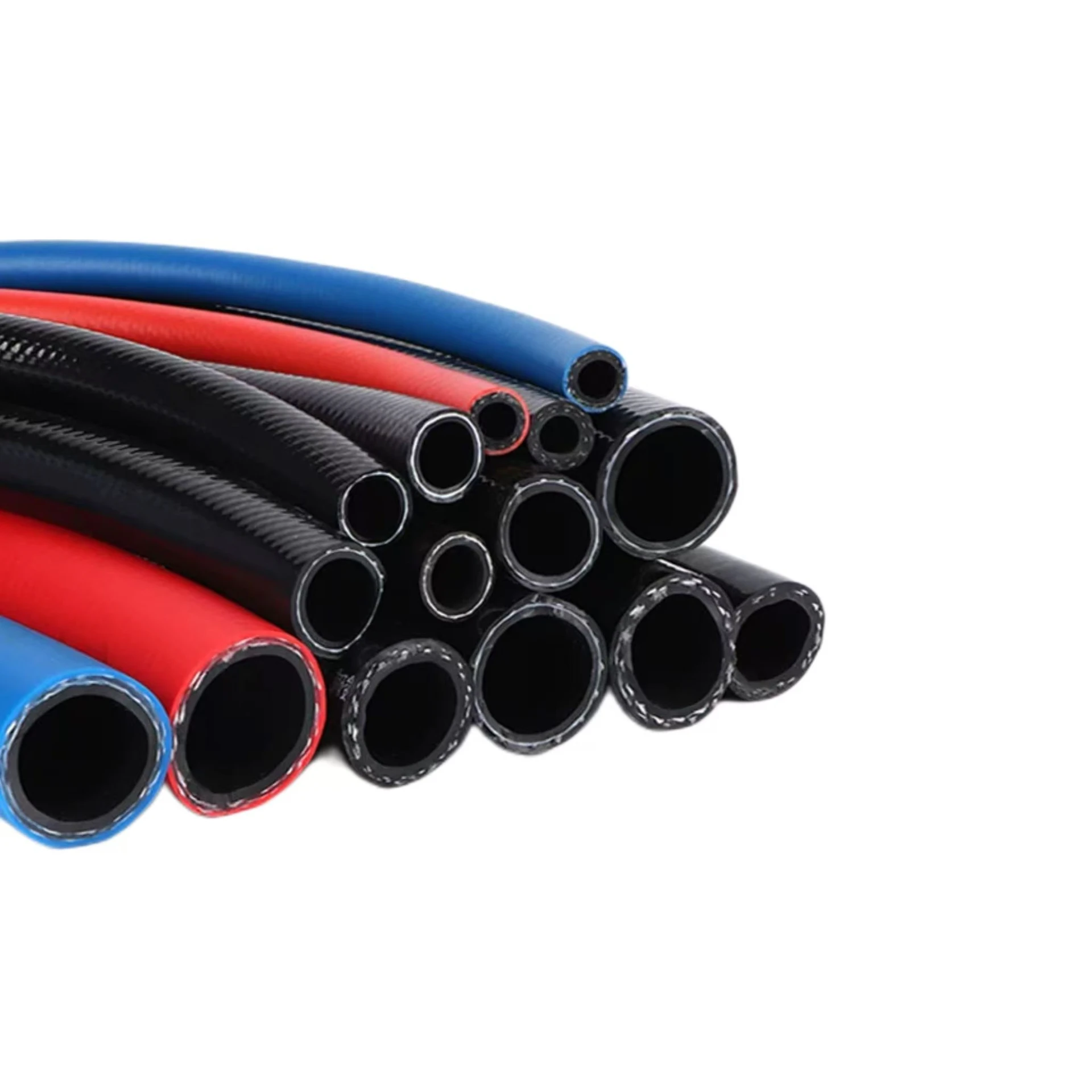
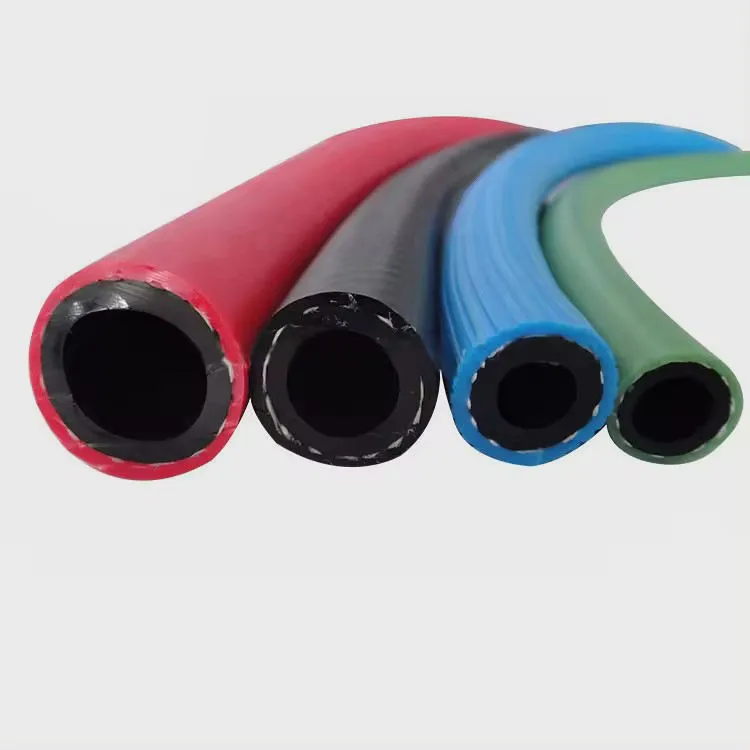
The 3 1 2 rubber hose often gets overlooked because, well, it’s not as flashy as high-tech gadgets. But in real terms, it’s a dependable workhorse. Typically constructed from synthetic rubber compounds like NBR (nitrile butadiene rubber) or EPDM (ethylene propylene diene monomer), these hoses are designed to endure tough environments—pressure, abrasion, temperature swings—you name it. I remember one project where we swapped out inferior hoses during an equipment upgrade, and the difference was night and day.
Backing up a little, the “3 1 2” designation refers to the hose’s nominal size, specifically 3.5 inches inside diameter, which strikes a good balance between flexibility and flow capacity. It fits many applications, from transferring oils and fuels to handling water or chemicals. Of course, depending on particular job requirements, you might see customization options offered by vendors—things like reinforced layers, specialized couplings, or chemical-resistant linings.
| Specification | Details |
|---|---|
| Nominal Diameter | 3.5 inches (3 1 2) |
| Operating Pressure | Up to 250 psi (varies by design) |
| Temperature Range | -40°C to +100°C (-40°F to +212°F) |
| Material | Synthetic rubber (NBR or EPDM) |
| Reinforcement | Textile or wire braid |
| Typical Uses | Industrial fluid transfer, fuel lines, water discharge |
In choosing a supplier, I’ve learned that it’s not just about price but quality consistency and support. For instance, vendors like ZSmart Flex Hose, Parker, and Gates each have their merits. ZSmart stands out for customization and lead times, Parker is known for global availability, and Gates has a strong reputation for durability.
| Vendor | Customization | Lead Time | Durability | Price Range |
|---|---|---|---|---|
| ZSmart Flex Hose | High | Short | Good | Mid |
| Parker | Moderate | Moderate | High | High |
| Gates | Low | Long | Very High | High |
Frankly, it’s this kind of trade-off that I’ve seen clients wrestle with. Last year, a customer in chemical processing contacted me after switching to a cheaper hose alternative; they ended up with leaks and downtime. We recommended a higher quality 3 1 2 rubber hose with enhanced chemical resistance and tighter manufacturing tolerances. Result? Zero downtime over six months – which kind of says it all.
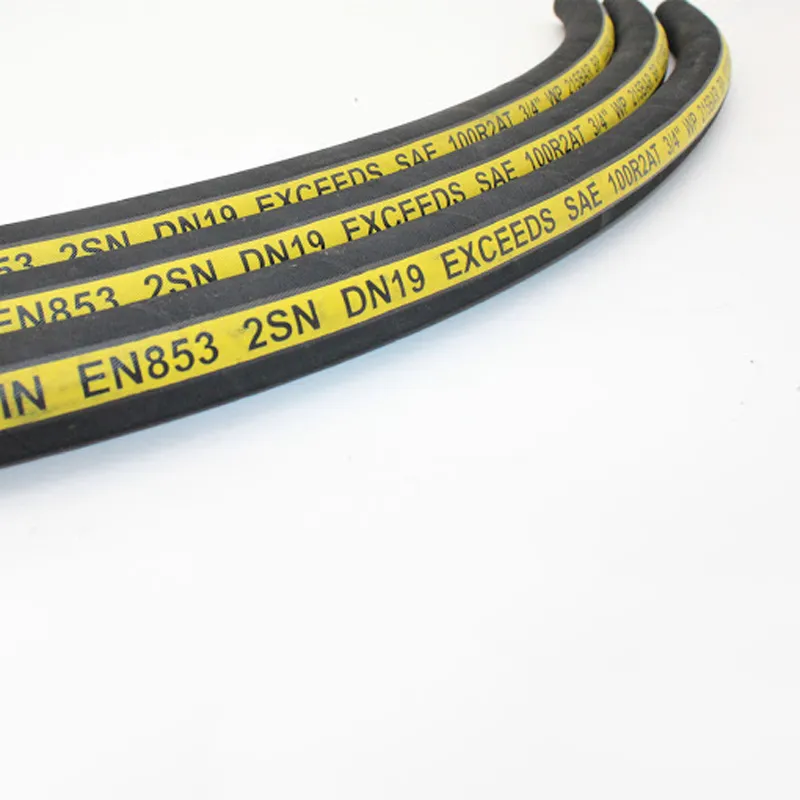
When I think about how these hoses fit industry trends, it’s clear the push toward durability and customization will only grow. Environmental regulations and safety requirements mean you can’t just pick anything off the shelf anymore. Testing standards — things like EN or SAE tests — ensure the hose performs day in, day out. You should always ask your vendor about certifications and material traceability; it’s those small assurances that build trust.
So, whether you’re specifying hoses for fuel, water, or industrial fluids, the humble 3 1 2 rubber hose can be pivotal. It may not dazzle in a brochure, but its reliable performance makes operations smoother. And if you ask me? Always good to work with vendors who understand your application deeply — that’s a game-changer in industrial sourcing.
In the end, it’s these small, sturdy components that keep the mammoth engines of industry humming along.
References:
1. Rubber Manufacturers Association (RMA) Guidelines
2. SAE International Hose Standards
3. ZSmart Flex Hose Product Catalog, 2023
Z-Smartflex delivers superior-quality industrial hoses and fittings with global reliability, offering you durable solutions and exceptional service for all your fluid transfer needs.