Understanding Marine Filler Hoses: What They Are and Why They Matter
Marine filler hoses are the unsung heroes of maritime logistics and fuel transfer. At first glance, they might just look like simple, flexible pipes — but they are crucial lifelines in global shipping, oil transportation, and even humanitarian relief operations. Their importance stretches globally, connecting continents with safe, efficient fluid transfer systems on the high seas.
Why should we care about them? Well, without reliable marine filler hoses, the entire supply chain from fuel delivery to emergency water transfer would falter, leading to costly delays or dangerous spills. Understanding their design and applications opens doors to safer maritime operations and environmental protection.
The Global Context of Marine Filler Hose Use
The maritime industry underpins roughly 80% of global trade by volume, according to the United Nations Conference on Trade and Development (UNCTAD). Fueling this vast network requires robust infrastructure — including marine filler hoses that can reliably handle hazardous liquids in fluctuating, tough conditions.
On a worldwide scale, the demand for marine filler hoses is growing, especially with the rise of offshore energy platforms and stricter environmental regulations by bodies like the International Maritime Organization (IMO). Leak prevention, durability, and compliance have become top priorities.
Yet challenges persist — poor quality hoses can cause dangerous fuel spills, environmental disasters, and costly downtime. That’s why global industries are paying close attention to hose standards like ISO 1825 and investing in better materials and technology.
What Exactly Is a Marine Filler Hose?
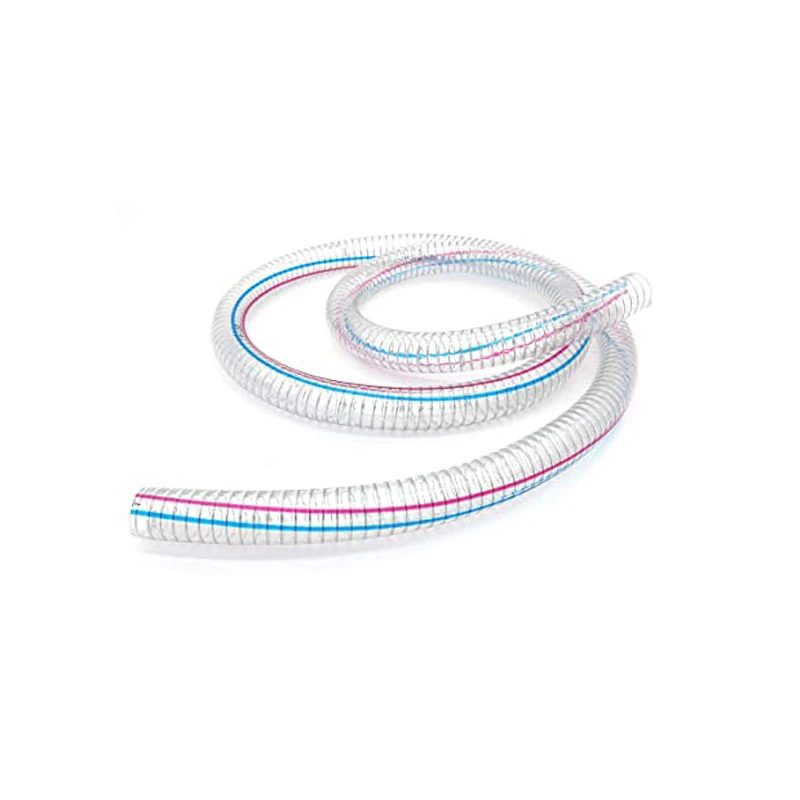
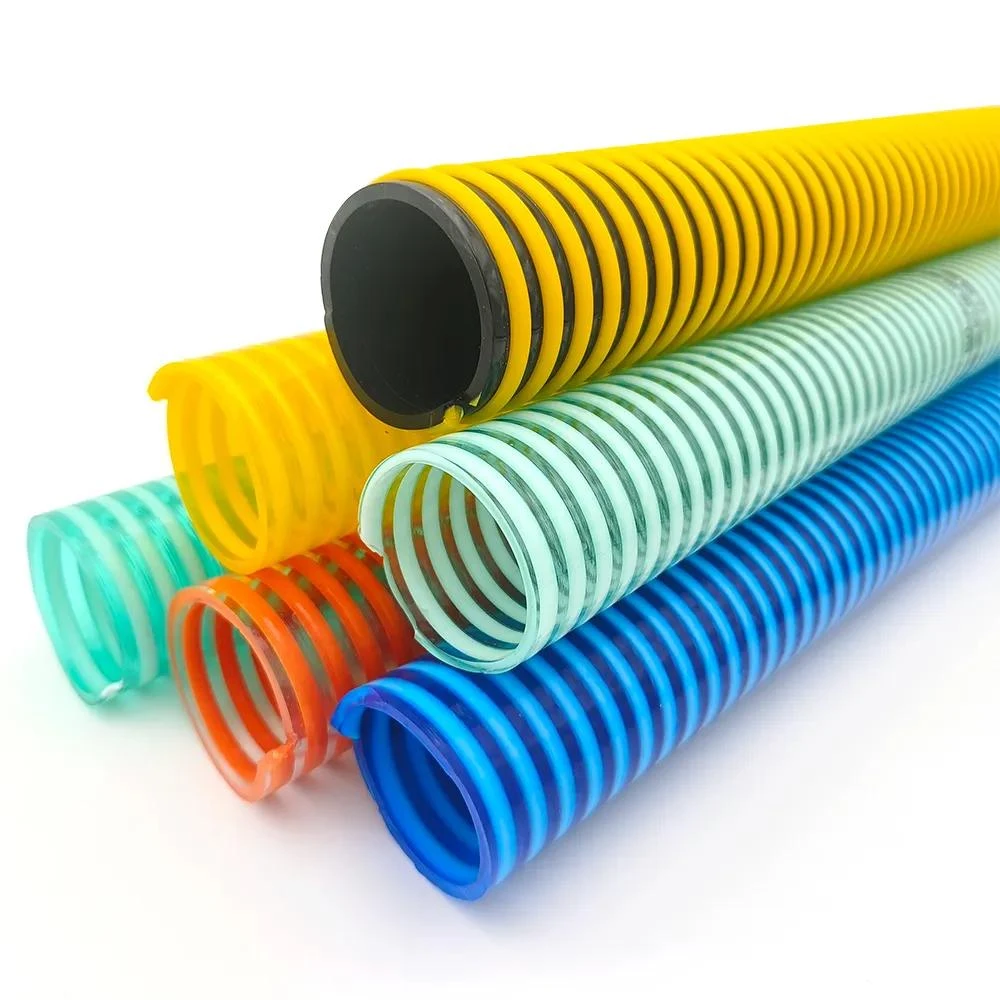
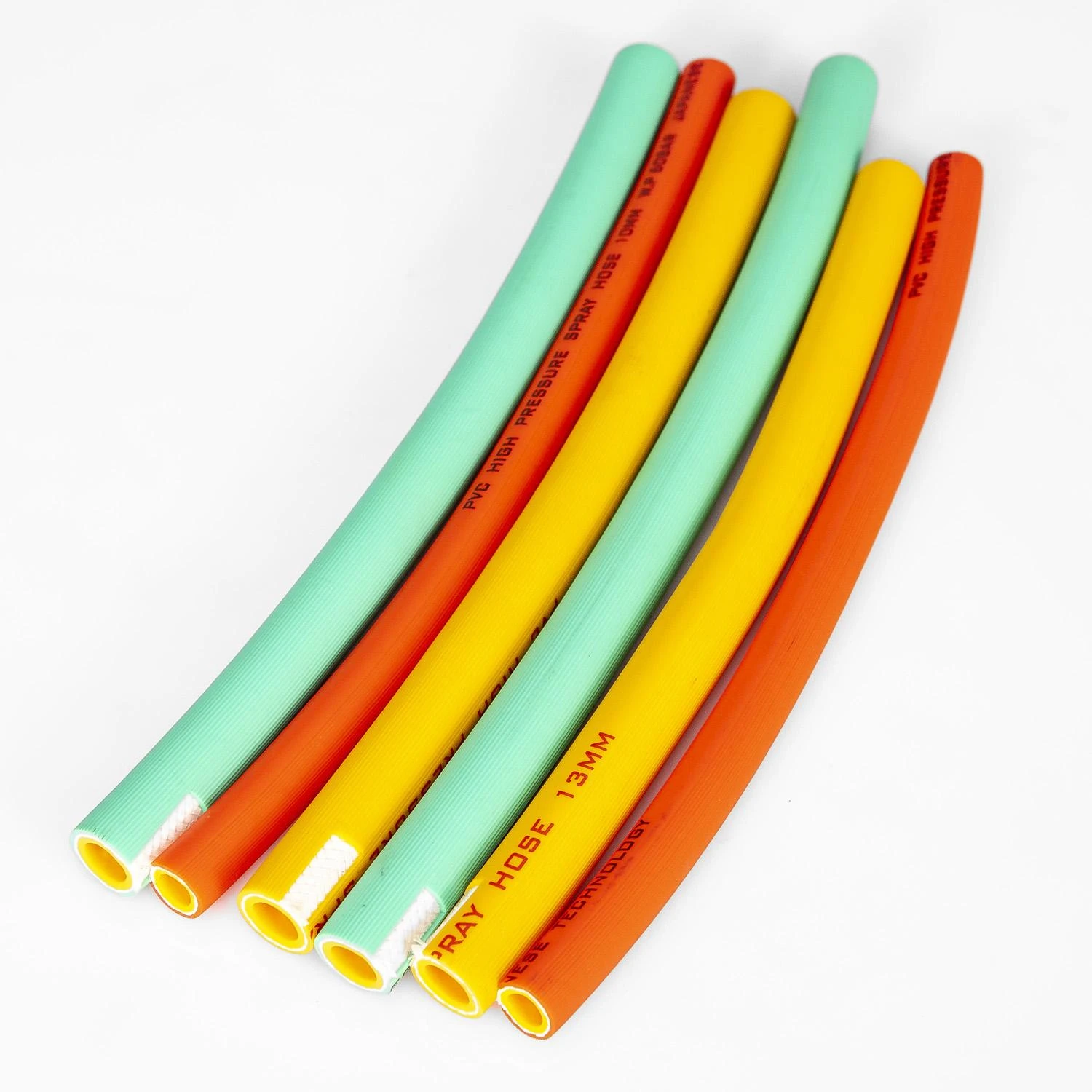
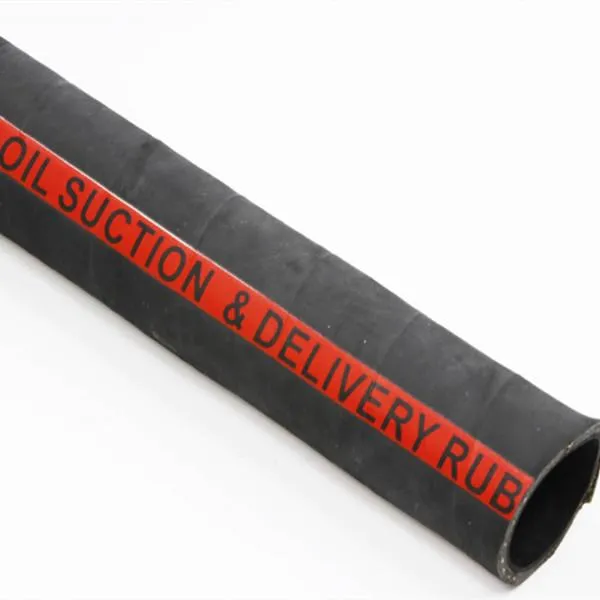
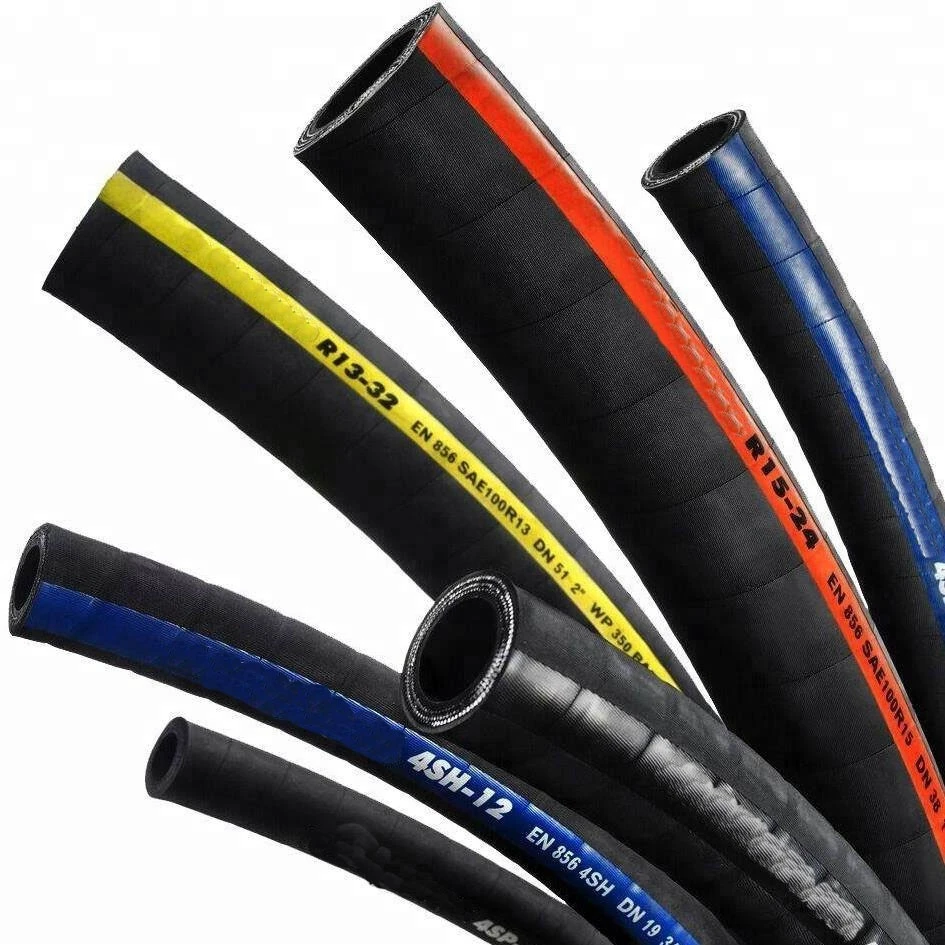
Simply put, a marine filler hose is a flexible, heavy-duty hose used to transfer petroleum products, chemicals, or water between ship tanks and shore facilities or between marine vessels themselves. They're specifically designed to withstand marine environmental factors — salt, sun, and mechanical stresses — unlike standard industrial hoses.
They intersect modern industry needs where secure, efficient fluid transfer is critical — think about fueling cargo ships, refilling offshore oil rigs, or supplying clean water to isolated communities during disaster relief missions.
Core Components of a Marine Filler Hose
1. Durability and Abrasion Resistance
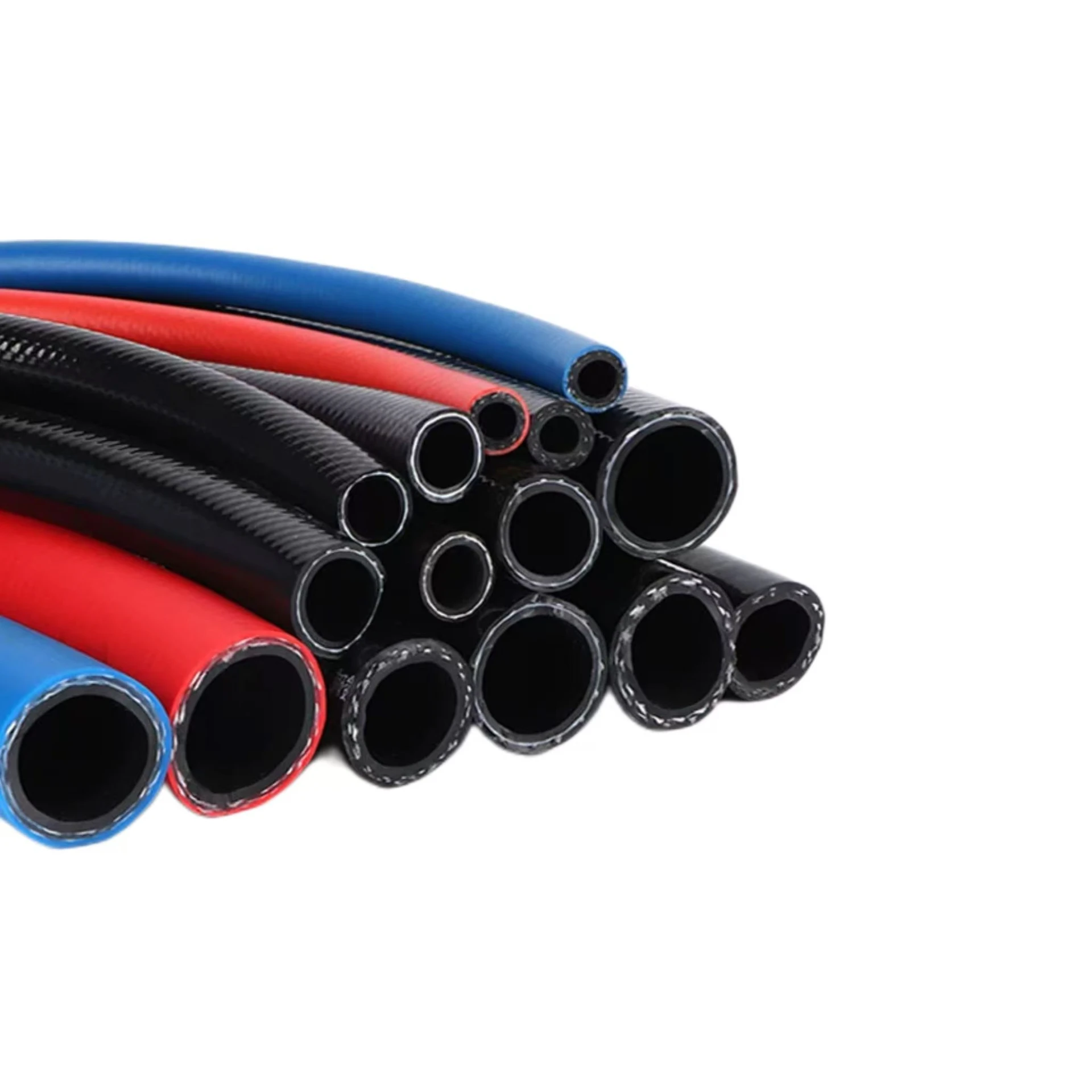
Marine filler hoses face constant friction against ship surfaces, docks, and even sea creatures — so they’re made of robust synthetic rubber compounds combined with textile reinforcements. This layering ensures long-term durability despite rugged environments.
2. Chemical Compatibility
They must resist a wide array of fluids from diesel to crude oil to chemicals without degrading or reacting. Special inner linings, often nitrile or chloroprene rubber, help keep the fluid pure and prevent contamination.
3. Flexibility and Weight
Ship fueling operations require hoses that are not only strong but also lightweight and flexible enough for easy handling onboard or during dockside transfer — think coils that can be rolled up or maneuvered quickly when the clock’s ticking.
4. Pressure and Temperature Ratings
Marine filler hoses need to withstand variable pressures (usually up to several bars) and a temperature range designed for cold and warm climates alike—typically between -30°C and +85°C — so they keep performing even in Arctic or tropical conditions.
5. Safety Features (Static Conductivity)
Since transferring flammable liquids carries fire risks, hoses are often reinforced with static dissipative elements to prevent electrostatic charges build-up — a small but critical detail that can save lives.
Mini Takeaway:
Marine filler hoses aren’t just pipes. They are engineered solutions combining flexibility, chemical resistance, and safety tailored to the harsh marine environment.
Where and How Are Marine Filler Hoses Used Globally?
Their applications are as diverse as the oceans they serve. Generally, they shine in:
- Ship-to-Shore Fueling: Facilitating quick and safe refueling of commercial vessels at busy ports worldwide, from Rotterdam to Shanghai.
- Offshore Oil and Gas: Supplying fuel and chemicals to offshore rigs in places like the North Sea or Gulf of Mexico, critical for continuous energy extraction.
- Disaster Relief Efforts: In post-tsunami or hurricane zones, marine filler hoses help rapidly deploy clean water or fuel for relief vessels and temporary infrastructure.
- Military and Research Vessels: Ensuring mission-critical fuel and fluid transfer under strict safety protocols and challenging conditions.
Oddly enough, these hoses also find their way into remote industrial zones where conventional pipelines can’t reach, proving their versatility beyond pure marine environments.
Mini Takeaway:
Marine filler hoses truly keep the world’s waters well-connected — from bustling ports to crisis zones and beyond.
Advantages of Investing in Quality Marine Filler Hoses
- Cost Efficiency: Reducing downtime and fuel loss means big savings over time.
- Safety and Environmental Protection: Leak-proof designs meet strict regulations, lessening spill risk and preserving marine ecosystems.
- Enhanced Reliability: Robust construction ensures long service life, cutting replacement costs and operational disruptions.
- Social Impact: Supporting disaster relief water delivery means helping people restore dignity and health.
These advantages strike a careful balance between logical investment and emotional peace of mind — really, who wants sleepless nights over potential spills?
Future Innovations in Marine Filler Hose Technology
The marine industry is non-stop evolving. Some promising trends on the horizon include:
- Use of eco-friendly, biodegradable rubber compounds reducing environmental footprint.
- Smart hoses equipped with sensors to monitor pressure, flow, and real-time integrity, boosting predictive maintenance.
- Enhanced automation allowing remote-controlled hose connection systems to minimize human error.
- Integration with green fuel systems, such as LNG or biofuels, requiring specialized hose materials.
In a world shifting toward sustainability and digital transformation, marine filler hoses are set to become smarter and greener.
Common Challenges and How to Overcome Them
Of course, no product is perfect. Some hurdles include:
- Material Degradation: Prolonged exposure to UV and saltwater can weaken hoses over time.
- Compatibility Issues: Not all hoses work with every fluid — wrong choices can cause swelling or cracking.
- Handling and Storage: Improper storage can lead to kinks or surface damage.
Experts recommend regular inspection protocols, investing in certified hoses per ISO standards, and training personnel on proper hose handling techniques to mitigate these concerns.
Marine Filler Hose Specification Table
| Specification | Typical Value | Notes |
|---|---|---|
| Inner Material | Nitrile Rubber | Resistant to hydrocarbons |
| Outer Cover | Neoprene Rubber | UV and abrasion resistance |
| Working Pressure | 10 bar (145 psi) | Standard for fuel transfer |
| Temperature Range | -30°C to +85°C | Suitable for diverse climates |
| Static Conductive Layer | Yes | Fire safety compliance |
Comparing Marine Filler Hose Vendors: What to Watch For
| Vendor | Certification | Material Quality | Customer Support | Customization Options |
|---|---|---|---|---|
| SmartFlex Hose | ISO 1825, IMO | Premium synthetic rubber | 24/7 technical support | Tailored dimensions & compounds |
| OceanFlow | ISO certified | Standard rubber composites | Business hours only | Limited options |
| MarineNex | API & IMO approved | High-grade synthetic | Global support network | Custom fittings and lengths |
FAQs About Marine Filler Hoses
- Q: How do I know which marine filler hose is suitable for my ship?
- A: Consider the fluids you’re transferring, temperature, and pressure requirements. Look for hoses certified to ISO 1825 and with materials compatible with your fuel type. Consulting the supplier with ship specifications is wise.
- Q: Can marine filler hoses be reused, or are they single-use?
- A: They are designed for multiple uses but must be inspected regularly for wear or damage. Proper maintenance extends hose life significantly, which is more cost-effective and safer over time.
- Q: What are the main safety concerns when using marine filler hoses?
- A: Preventing leaks, avoiding hose rupture under pressure, and ensuring static discharge prevention are key. Always follow handling protocols and use static conductive hoses for flammable liquids.
- Q: How long does a typical marine filler hose last?
- A: Roughly 3 to 5 years under standard conditions, but this depends on usage intensity, storage, and environmental exposure. Regular inspection is vital to prevent unexpected failures.
Wrapping It Up: Why Marine Filler Hoses Are a Long-Term Investment
Marine filler hoses might not make headlines like vessels or port infrastructure, but their role is indispensable in keeping the maritime world flowing safely and efficiently. Investing in quality marine filler hoses means fewer accidents, lower environmental risk, and smoother operations across industries and geographies.
For reliable, certified marine filler hoses tailored to your needs, marine filler hose specialists like SmartFlex offer the perfect blend of technology, service, and customization. Why wait? Ensure your fleet or project stays operational with the right gear.
After all, in this interconnected world, every link counts — even flexible ones.
References
Z-Smartflex delivers superior-quality industrial hoses and fittings with global reliability, offering you durable solutions and exceptional service for all your fluid transfer needs.