Rubber Oil Pipe Buying Notes from the Shop Floor
If you’ve ever wrestled hoses in a cramped engine bay or along a fuel skid at 2 a.m., you know the difference between a good Rubber Oil Pipe and a troublesome one is night and day. Lately, demand is shifting toward smooth-surface, low-permeation constructions—partly because of stricter emission targets and, honestly, because maintenance teams are tired of drips. From CHANGAN DISTRICT, SHIJIAZHUANG, HEBEI, CHINA, the Rubber Oil Hose (Smooth Surface) hits several of these notes.
What’s inside and how it’s made
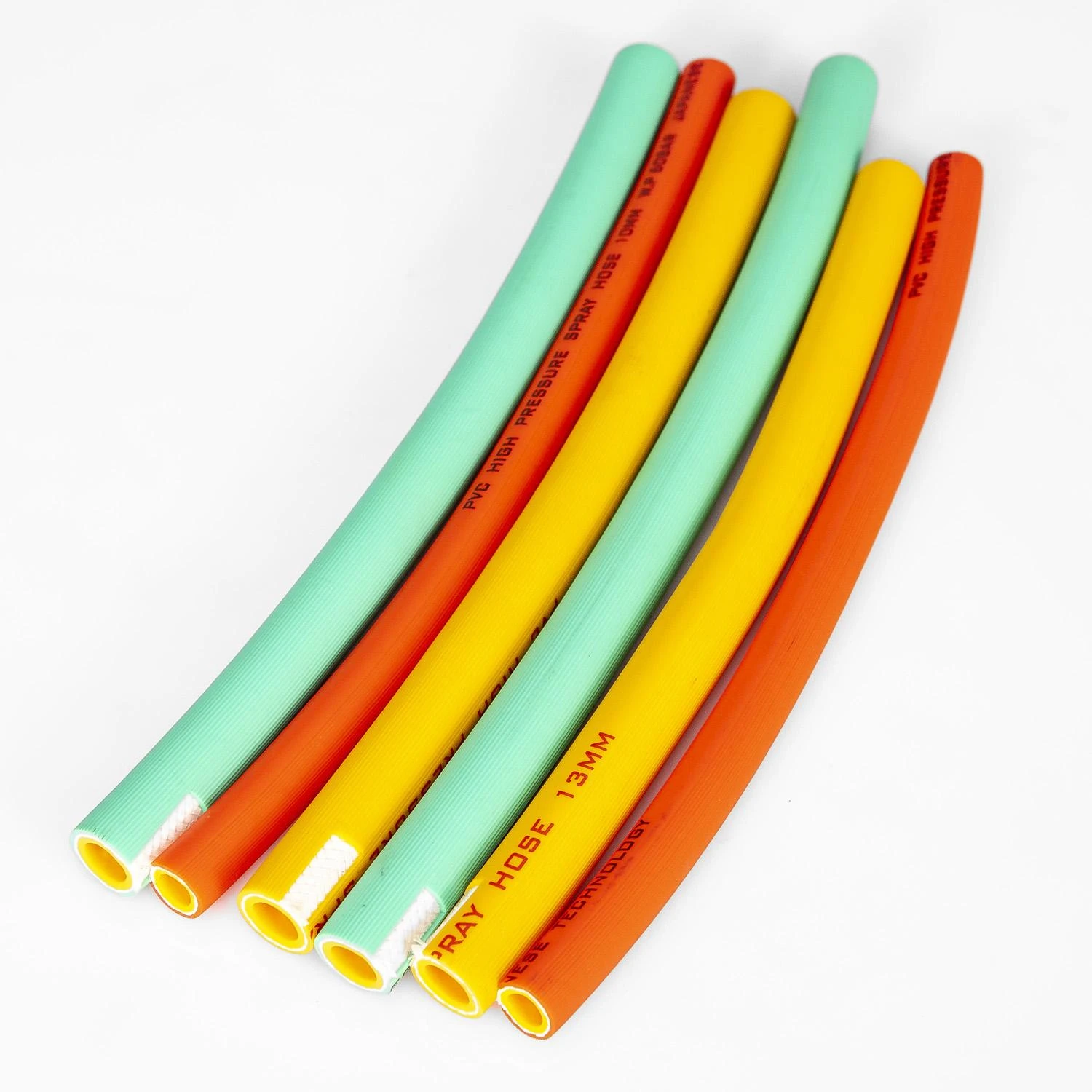
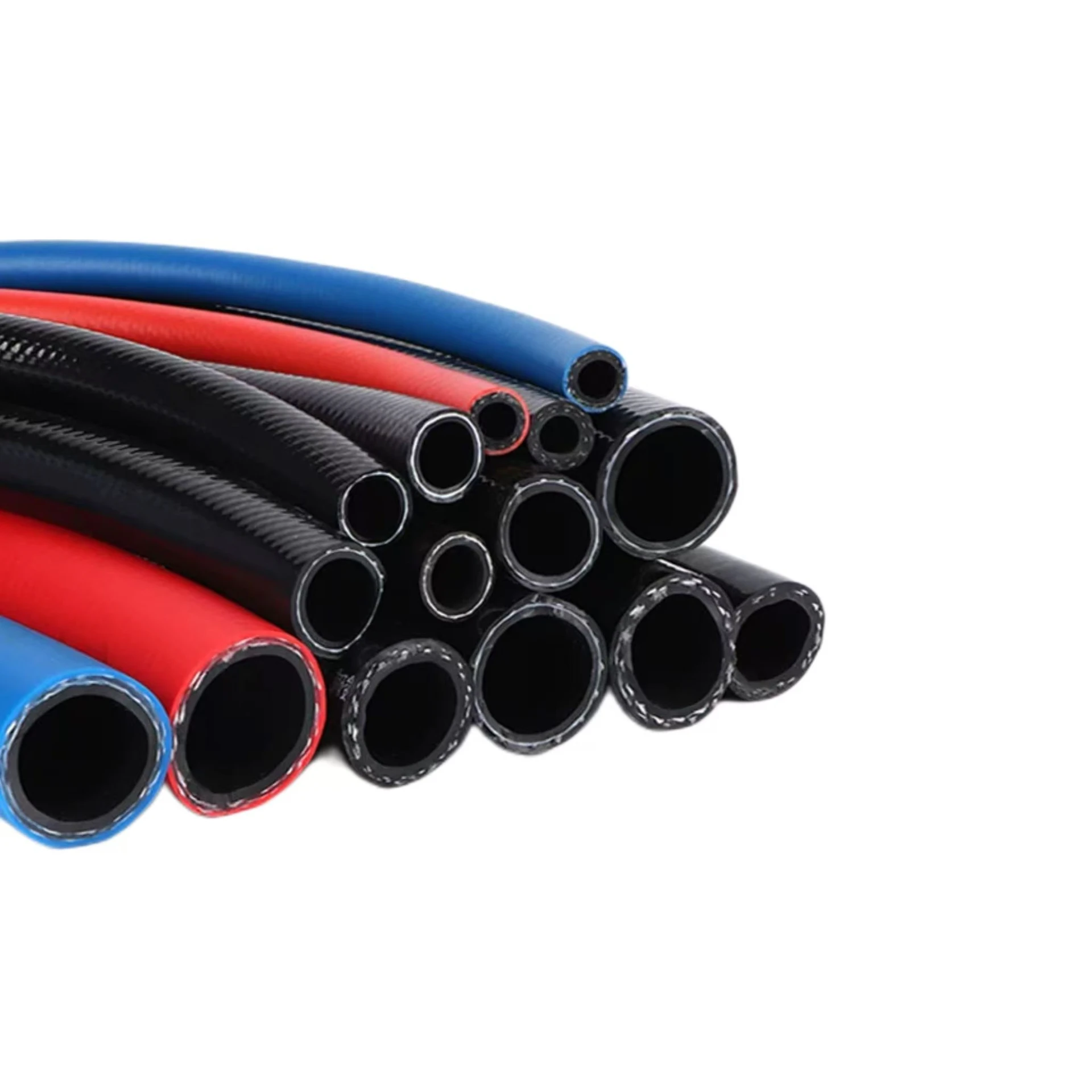
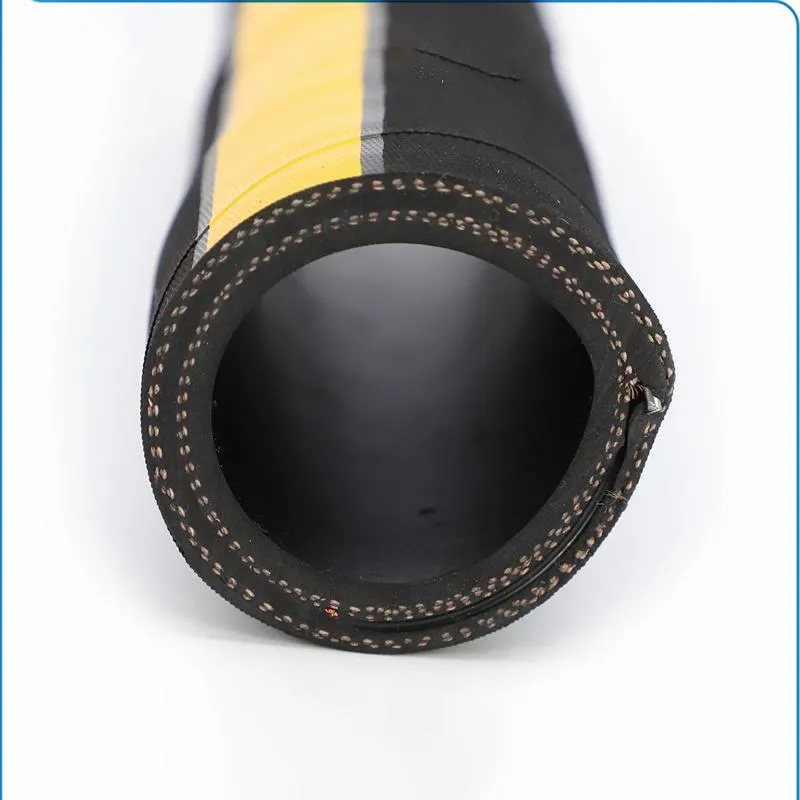
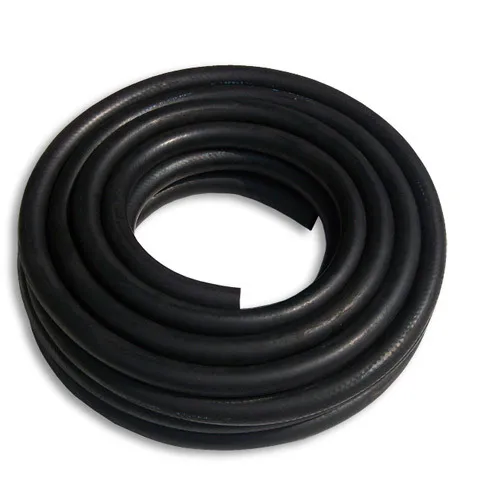
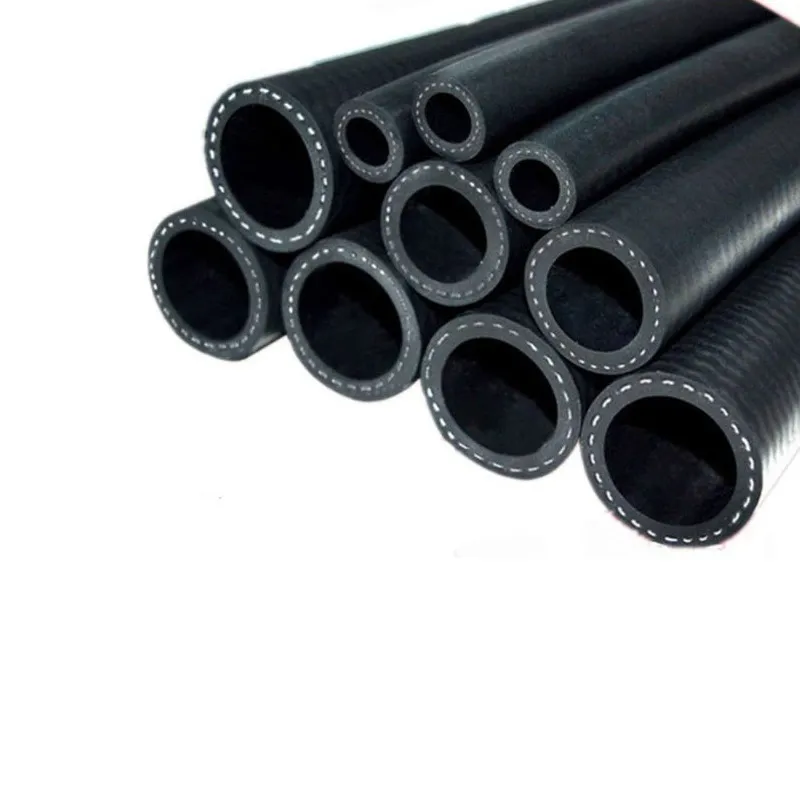
Construction typically runs NBR or NBR/PVC inner tube for oil resistance, textile reinforcement (sometimes plus a wire helix on larger IDs), and a smooth NBR/SBR cover for abrasion and weather. The process is pretty standard yet unforgiving: compound mixing, extrusion (inner tube), braiding/spiraling for reinforcement, cover extrusion, and autoclave vulcanization. To be honest, the devil’s in the compounding—too much plasticizer and your swell blows up; too little and flexibility suffers.
Testing? Reputable vendors run dimensional checks (ISO 1307), proof and burst (ISO 1402), oil immersion swell (ASTM D471), conductivity (ISO 8031), and static bend. Real-world service life is around 3–5 years in mobile equipment; I’ve seen longer in benign indoor duty and shorter with hot bio-diesel blends and tight bend radii.
Why a smooth-surface Rubber Oil Pipe?
-
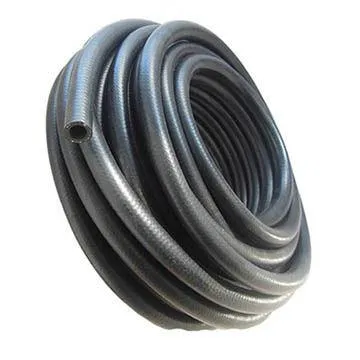
- Lower drag and easier wipe-down in oily bays.
- Often better label legibility for traceability.
- Slightly improved abrasion in sliding applications (it seems that way in workshops).
- Many customers say it routes cleaner in tight harness bundles.
Typical specifications (indicative)
| Parameter | Value (≈, real-world use may vary) |
|---|---|
| Inner Tube | NBR (nitrile) for diesel, gasoline, lubricants |
| Reinforcement | High-tensile textile cord (optional wire helix on large IDs) |
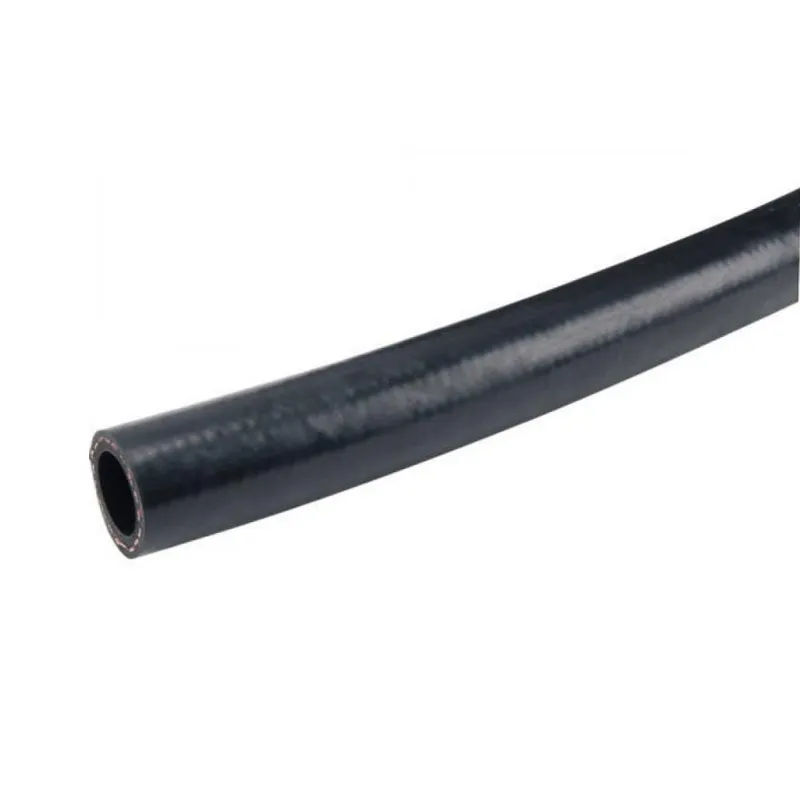
| Cover | Smooth NBR/SBR, black, ozone/abrasion resistant |
| Temperature | -40°C to +100°C (peaks +120°C fuel splash) |
| Working Pressure | ≈ 1.0–2.5 MPa depending on size |
| Burst Safety | ≥ 3:1 typical (per ISO 1402 method) |
| Oil Swell (ASTM D471) | ≤ 60% volume change in IRM 903 (reference) |
Applications I keep seeing
-
- Mobile equipment fuel feed/return lines (diesel, gasoline).
- Generator sets and small engine lube transfer.
- Marine service (engine compartments; check flame retardancy needs).
- Agriculture pumps and tank farms (low-pressure).
- Maintenance decanting hoses in workshops.
Certifications to look for: compliance with SAE J30 family for fuel hoses, EN 1360 for petrol-dispensing hoses, and relevant ISO test files. Actually, documentation consistency matters as much as the stamp.
Vendor comparison (quick take)
| Vendor | Lead Time | Certs/Standards | Customization |
|---|---|---|---|
| ZSmartFlex (Smooth Surface) | ≈ 2–4 weeks | SAE J30, ISO 1402 test reports | Colors, logos, cut-to-length, special IDs |
| Vendor A (EU) | ≈ 3–6 weeks | EN 1360, REACH/ROHS | Broad, premium pricing |
| Vendor B (US) | Stock on common sizes | SAE J30, UL where applicable | Limited color options |
Customization tips
Specify media (diesel, gasoline with ethanol, lube oil), temperature profile, min bend radius, and routing. Ask for permeation data if you’re under emissions scrutiny. For branding, a colored smooth cover prints better—small win, big traceability.
Field notes (short cases)
Fleet retrofit: A quarry swapped aging lines with smooth-cover Rubber Oil Pipe. Techs reported quicker routing and fewer clamp abrasions; diesel odor in bays dropped noticeably in two weeks.
Genset farm: After hot-start complaints, a mixed ethanol fuel was identified. Switching to a higher-acrylonitrile NBR spec stabilized swell (based on ASTM D471 spot checks) and cut downtime.
Bottom line
For conveyance of diesel, gasoline, lubricants, and other mineral oils, a smooth-surface Rubber Oil Pipe is a safe, clean-handling bet—especially when backed by standard tests and honest datasheets. Price matters, but consistency wins maintenance budgets in the long run.
Authoritative citations
- SAE J30: Fuel and Oil Hoses—Society of Automotive Engineers.
- EN 1360: Rubber hoses for gasoline and diesel—European Committee for Standardization.
- ASTM D471: Standard Test Method for Rubber Property—Effect of Liquids—ASTM International.
- ISO 1402: Rubber and plastics hoses—Hydraulic pressure impulse and proof/burst tests—International Organization for Standardization.
Z-Smartflex delivers superior-quality industrial hoses and fittings with global reliability, offering you durable solutions and exceptional service for all your fluid transfer needs.