Industrial Hose Pipe: The Unsung Hero of Modern Industry
If you’ve ever wondered about the lifelines that keep factories humming, construction sites safe, or disaster zones operational, chances are an industrial hose pipe is involved. These flexible tubes might not grab headlines, but their global impact is massive – spanning manufacturing, agriculture, mining, and even humanitarian efforts.
Today, understanding the nuances of industrial hose pipes isn’t just technical jargon. It’s about realizing how something as simple as a pipe supports economies, environments, and lives around the world.
From Global Demand to Everyday Challenges: Why Industrial Hose Pipes Matter
The industrial hose market is booming, predicted to reach over $15 billion by 2027, according to recent market data. Driven by expanding oil & gas operations, chemical industries, and infrastructure projects, the demand isn’t slowing down. Yet, with globalization comes complexity.
Many countries face harsh climates or disaster-prone zones where traditional piping solutions just won’t cut it. Industrial hose pipes offer adaptable, quick-install alternatives but come with their own set of challenges – like durability under extreme pressure or chemical exposure.
In short: they’re vital, but the stakes and expectations have never been higher.
What Exactly Is an Industrial Hose Pipe?
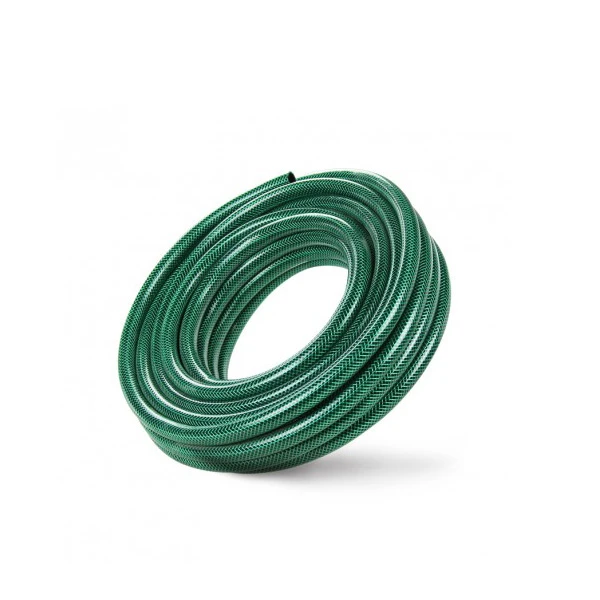
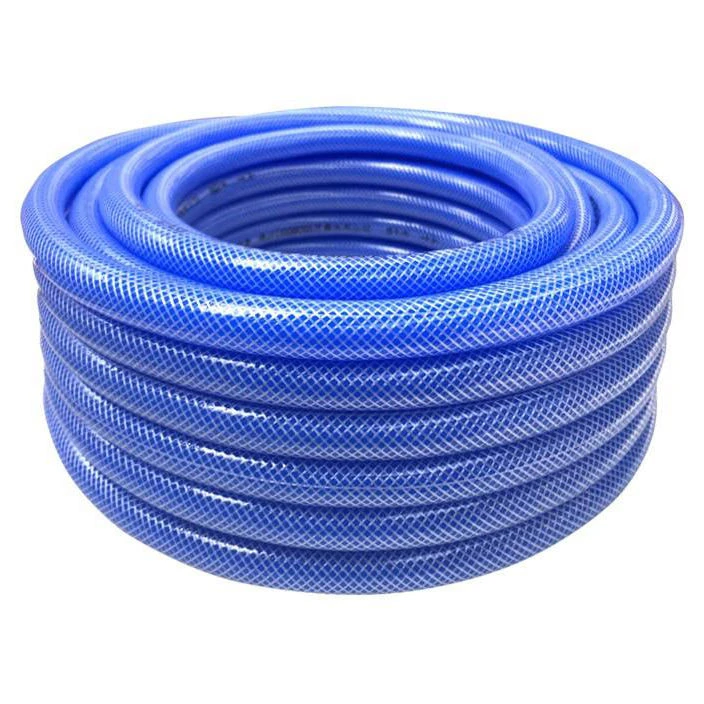
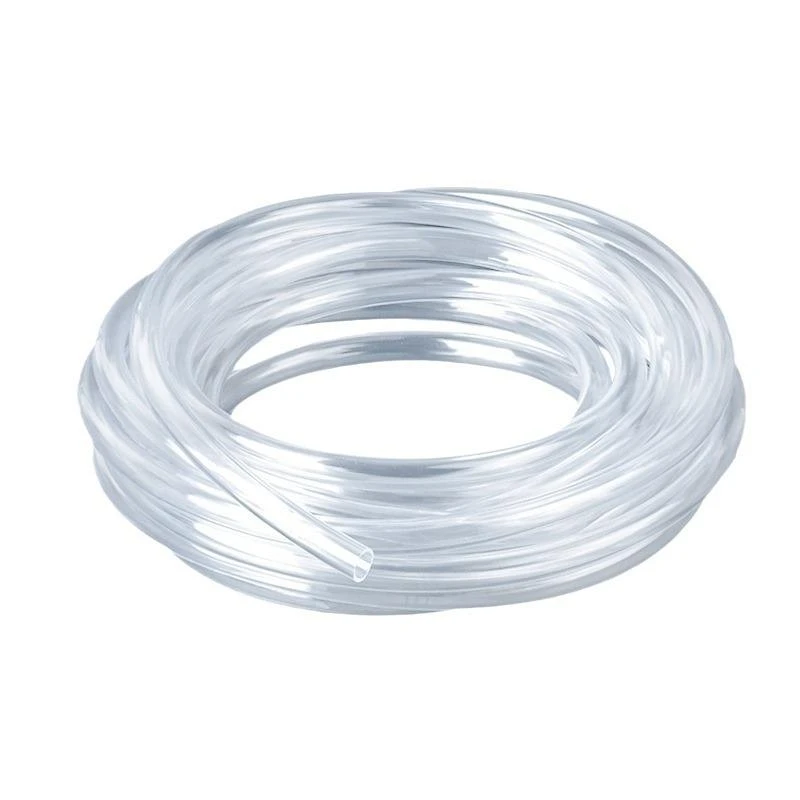
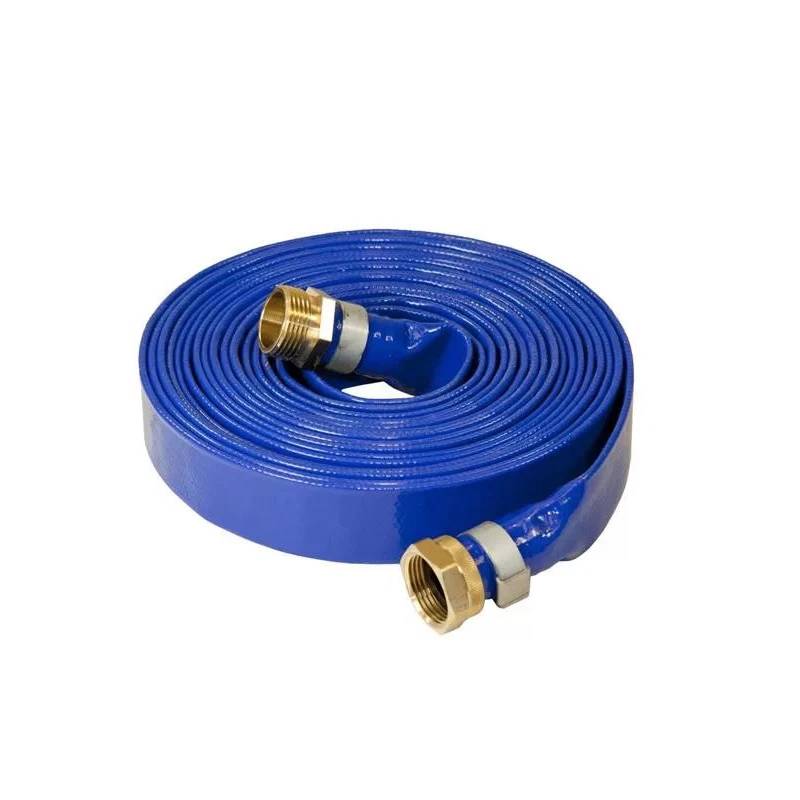
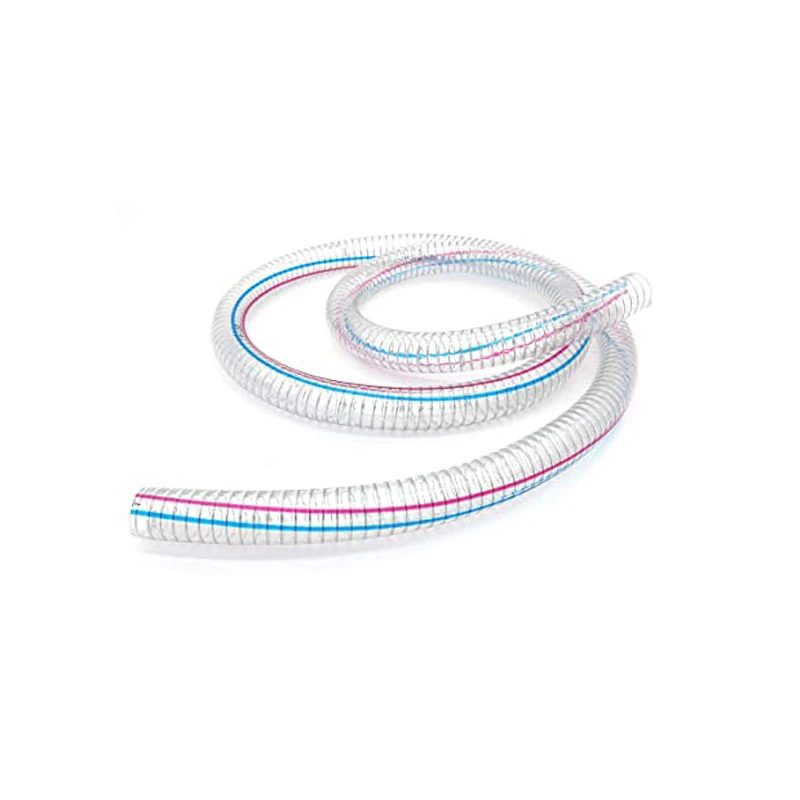
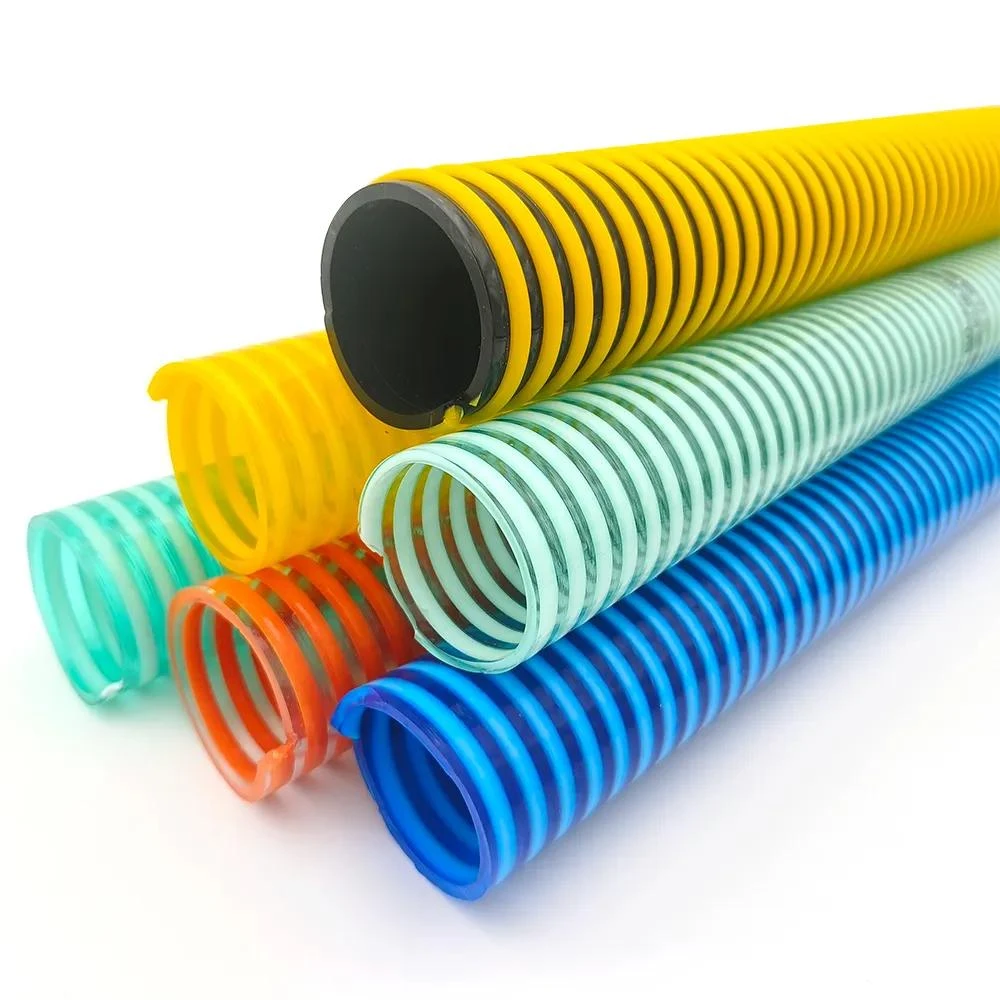
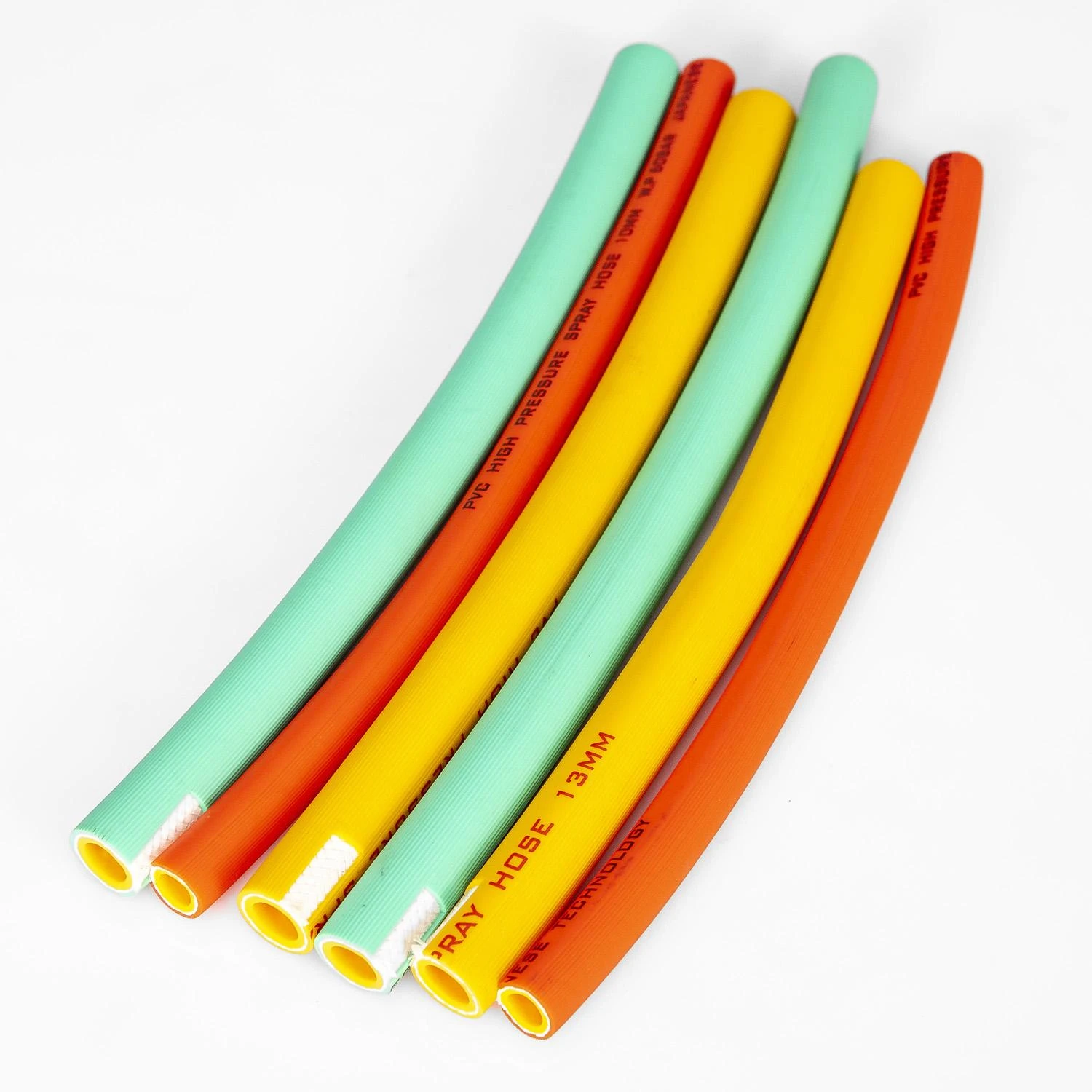
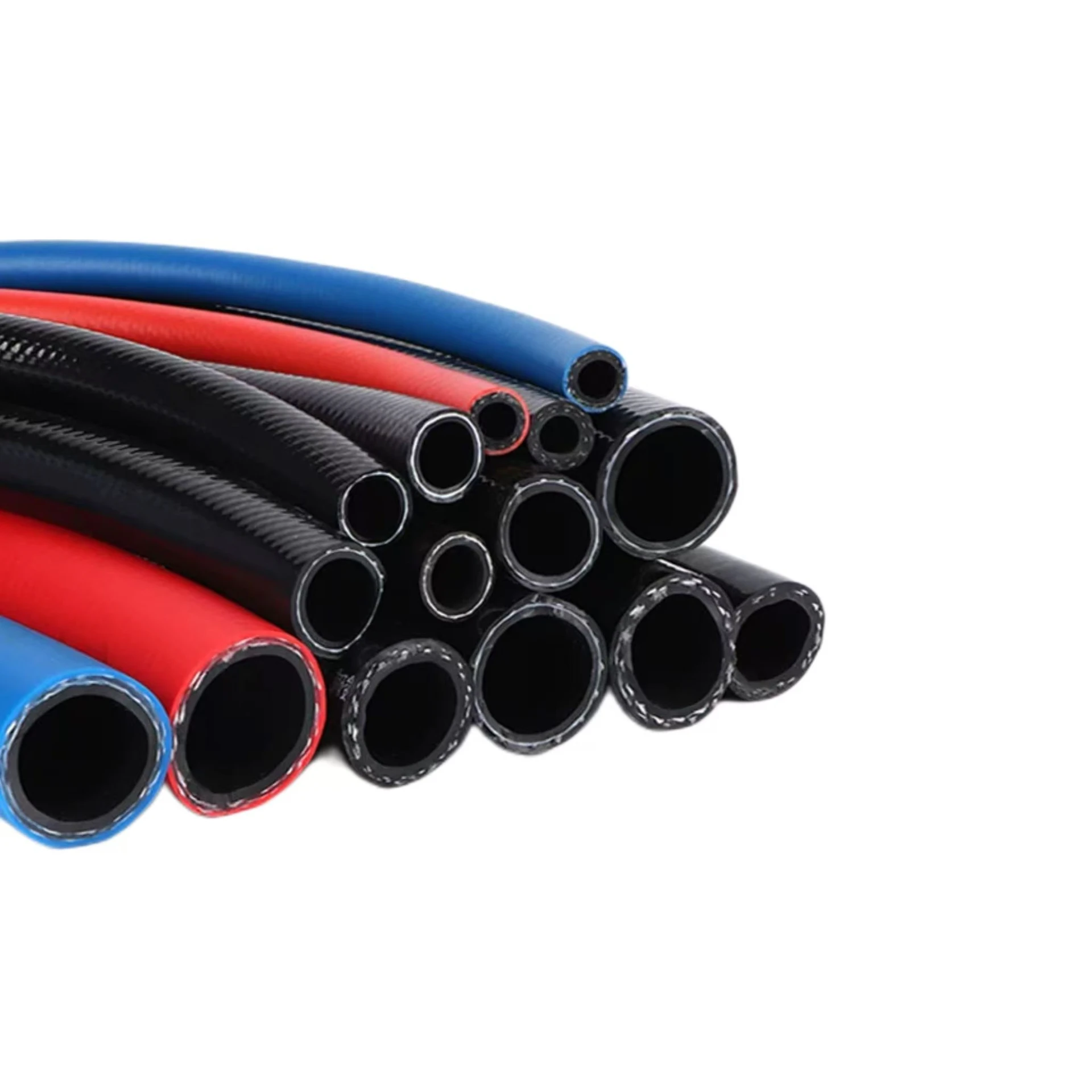
At its core, an industrial hose pipe is a flexible tube designed to convey fluids, gases, or solids from one point to another. It’s not just any garden hose, though. These are engineered with special materials and multiple layers for strength and resistance tailored to demanding environments.
They serve as the veins and arteries of factories, mines, and even water relief projects. For instance, NGOs working in remote disaster areas often rely on industrial hose pipes to quickly establish water delivery systems, ensuring clean water reaches those in need.
Mini takeaway:
- Industrial hose pipes are specialized flexible conduits designed for harsh industrial tasks.
- They touch everything from factory floors to disaster relief zones, enabling essential fluid transport.
Core Components & Considerations When Choosing a Hose Pipe
1. Durability
One key factor is durability. These pipes face high pressure, extreme temperatures, and often corrosive substances. Manufacturers use synthetic rubbers, reinforced textile layers, and sometimes steel wire spirals to ensure the hose won’t burst or degrade quickly. Many engineers say the difference between a 6-month and 5-year lifespan often boils down to materials.
2. Flexibility vs. Strength
Interestingly, this tradeoff is always tricky. You want your hose pipe to bend without kinking but also handle abrasive environments and pressures. That’s why layers, helically wound reinforcements, and internal liners must be carefully matched to their application — like chemical transfer vs. air or water delivery.
3. Chemical Compatibility
If you’re pumping acids, oils, or solvents, the inner lining material is crucial. Nitrile, PVC, EPDM, and PTFE are common, each suited differently. A mismatch not only damages the hose but introduces safety risks.
4. Size and Pressure Rating
Industrial hose pipes come in many diameters — suppose 6 mm to over 200 mm. Pressure ratings (usually measured in bar or psi) tell you how much force the hose can withstand internally, and choosing the right rating prevents accidents on site.
5. Cost Efficiency
Although it’s tempting to cut corners, cheaper hoses often cost more in downtime and replacements. It’s a balance between upfront costs and lifecycle expense, something every procurement officer thinks about.
Mini takeaway:
- Hose pipes are complex composites tailored to demands; no ‘one size fits all’.
- Durability, flexibility, chemical compatibility, and cost form the selection pillars.
Where in the World Are Industrial Hose Pipes Making a Difference?
Practically everywhere, but here are some highlights:
- Middle East Oil Fields: High-temperature, high-pressure hoses transfer crude oil and gas safely. The region’s extreme climates mean hoses must resist heat and sand abrasion.
- African Mining Sites: In remote locations, hoses move slurry materials and water for mineral extraction where traditional pipes are hard to install.
- Post-Disaster Relief Zones: Organizations use flexible hose pipes to quickly set up water distribution networks, often replacing broken infrastructure temporarily.
- European Manufacturing: Precision chemical handling and HVAC systems rely on hoses that meet ISO standards for safety and efficiency.
Oddly enough, while the tech feels futuristic, the context is often very traditional — moving water, air, oil. It’s the quality and design that elevate it.
Real Advantages of Using Industrial Hose Pipes
- Cost Savings over Time: Reusability and lower downtime means industries avoid costly shutdowns.
- Environmental Sustainability: Recyclable materials and leak-proof designs reduce spills and contamination.
- Safety & Trust: Certified hoses ensure worker safety and regulatory compliance, giving peace of mind.
- Social Impact: Reliable water delivery enhances dignity and living standards in humanitarian missions.
For many operators, it’s not just about pipes — it’s about trust, reliability, and even saving lives.
Spotlight on Specifications: A Typical Industrial Hose Pipe
| Specification | Details |
|---|---|
| Diameter Range | 10mm - 150mm |
| Pressure Rating | Up to 300 bar |
| Temperature Range | -40°C to 150°C |
| Materials | Nitrile Rubber, Polyester Reinforcement, Polyurethane Coating |
| Standard Compliance | ISO 1436, SAE 100R2AT |
Who’s Leading the Industry? Vendor Comparison at a Glance
| Vendor | Product Range | Price Level | Lead Time | Customization |
|---|---|---|---|---|
| ZSmart FlexHose | Comprehensive, Chemical & Oil Resistant | Mid-range | 2-3 weeks | High |
| GlobalHose Inc. | Standard Industrial, Limited Custom | Budget | 1-2 weeks | Low |
| PrimaHose | Premium Range, Heavy Duty | High | 4-6 weeks | Medium |
Emerging Trends and Innovations to Watch
Honestly, few industries move as quietly yet quickly as industrial hoses. Here’s what’s buzzing under the surface:
- Eco-friendly Materials: Biodegradable and recycled composites are entering production lines to respond to tighter environmental regulations.
- Smart Hoses: Embedded sensors monitoring pressure, flow, and wear to predict maintenance needs before failure.
- Higher Pressure Ratings: New reinforcement materials and manufacturing techniques allowing hoses to handle even more intense conditions.
- Automation Integration: Rapid coupling systems help automate hose connections in factories, accelerating workflows.
Facing Challenges with Expertise and Innovation
Despite advances, challenges remain. Common issues include premature wear due to chemical incompatibility, difficulties in transporting oversized coils, and inconsistencies from substandard materials flooding some markets.
Experts recommend rigorous testing (some ISO standards cover burst strength & chemical resistance), investing in quality vendors, and regular inspection cycles. Some firms are also pioneering modular hose sections that simplify replacements onsite without full system shutdowns — a small but meaningful innovation.
FAQs: Your Industrial Hose Pipe Quick Guide
- Q1: How do I select the right industrial hose pipe for chemical transfer?
- Identify the chemicals’ properties first—temperature, corrosiveness, and pressure. Choose hoses with compatible linings like PTFE or nitrile rubber. Consult material safety data sheets (MSDS) and vendor specs to ensure compatibility, reducing leakage or degradation risks.
- Q2: What maintenance is necessary to extend hose pipe lifespan?
- Regularly inspect for cracks, abrasions, and kinks. Clean the hoses per manufacturer guidance, especially if handling hazardous materials. Replacing worn-out clamps and avoiding sharp bending extends performance. Some suggest documenting hose cycles and replacing before failure.
- Q3: Can industrial hose pipes be recycled after use?
- It depends on materials. Many synthetic rubbers and reinforcements are recyclable, but contamination (e.g., oils or chemicals) may limit options. Some vendors offer take-back programs aligning with circular economy principles, so check with your supplier.
- Q4: How quickly can industrial hoses be deployed in emergencies?
- Flexible, pre-fabricated hoses are preferred for rapid deployment. Some manufacturers stock standard sizes enabling shipment within days. Quick-connect couplings and modular sections reduce installation time, crucial in disaster relief or urgent industrial repairs.
- Q5: Are there standards regulating industrial hose pipes internationally?
- Yes, standards like ISO 1436 and SAE 100R guide manufacturing, testing, and application safety. Adhering to these ensures reliability and regulatory compliance globally. Always check certifications before procurement.
Wrapping Up: Why Industrial Hose Pipes Deserve Your Attention
When you break it down, industrial hose pipes are quietly revolutionary. They push liquids and gases across immense deserts, deep inside mines, or through chemical plants with precision and reliability. For industries and humanitarian teams alike, these pipes enable operations that directly affect livelihoods and environmental stewardship.
If the future is about smarter, greener, faster systems, industrial hoses are right in the thick of that progress.
Thinking about upgrading your industrial hoses? You might want to explore the options available at ZSmart FlexHose — trusted by industries worldwide for quality and customization.
References
Z-Smartflex delivers superior-quality industrial hoses and fittings with global reliability, offering you durable solutions and exceptional service for all your fluid transfer needs.