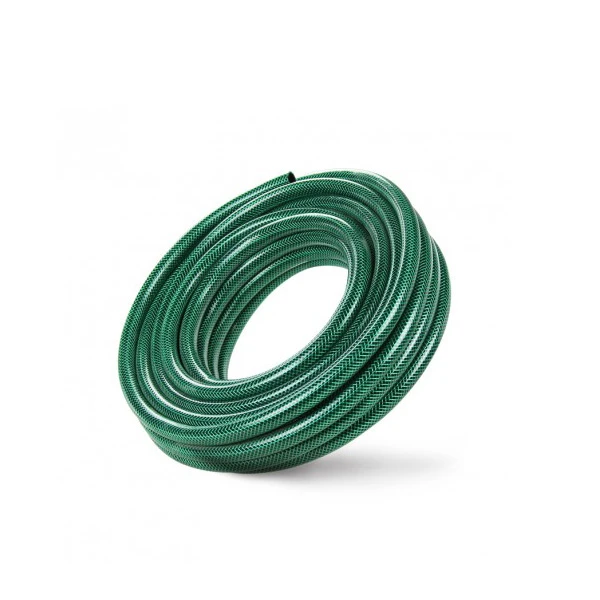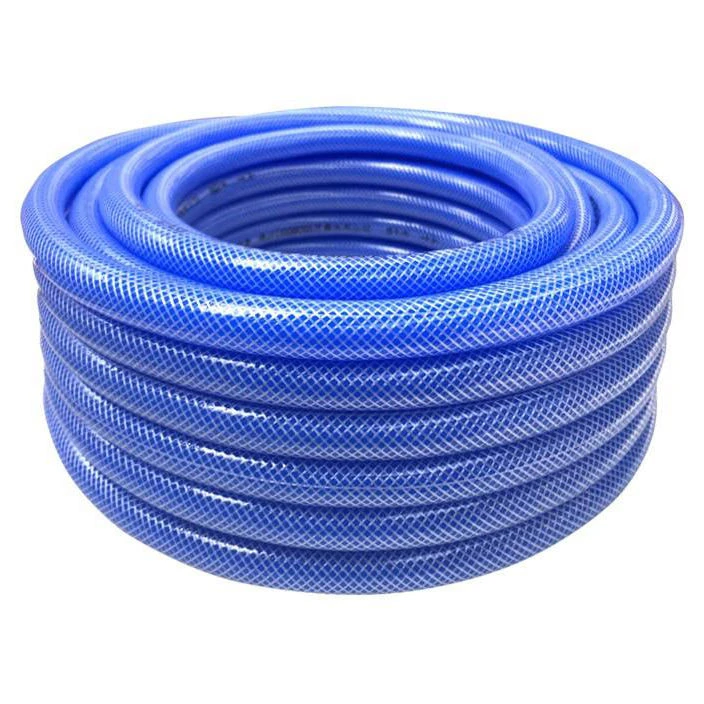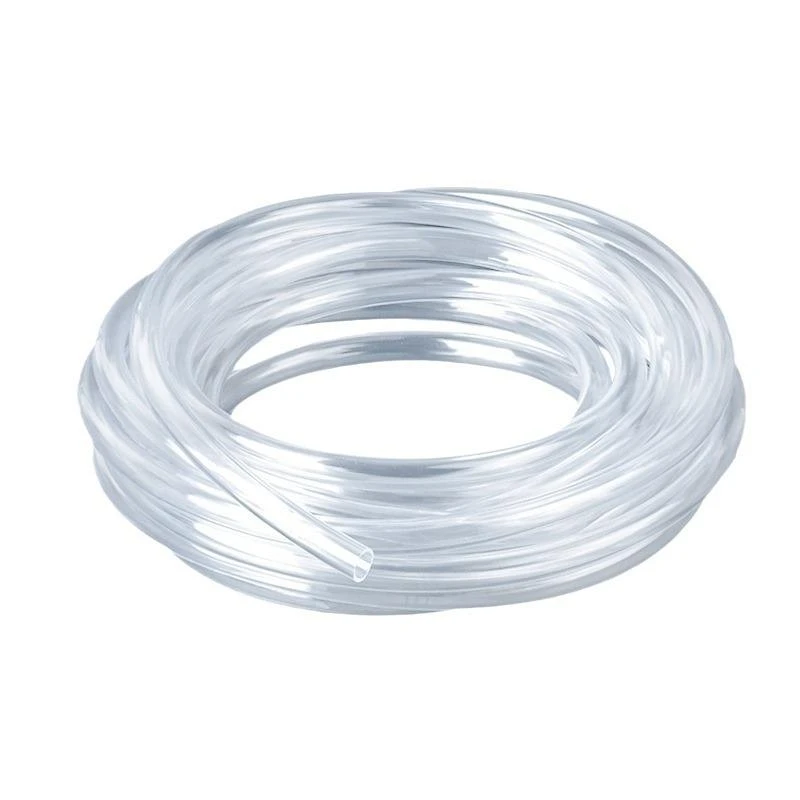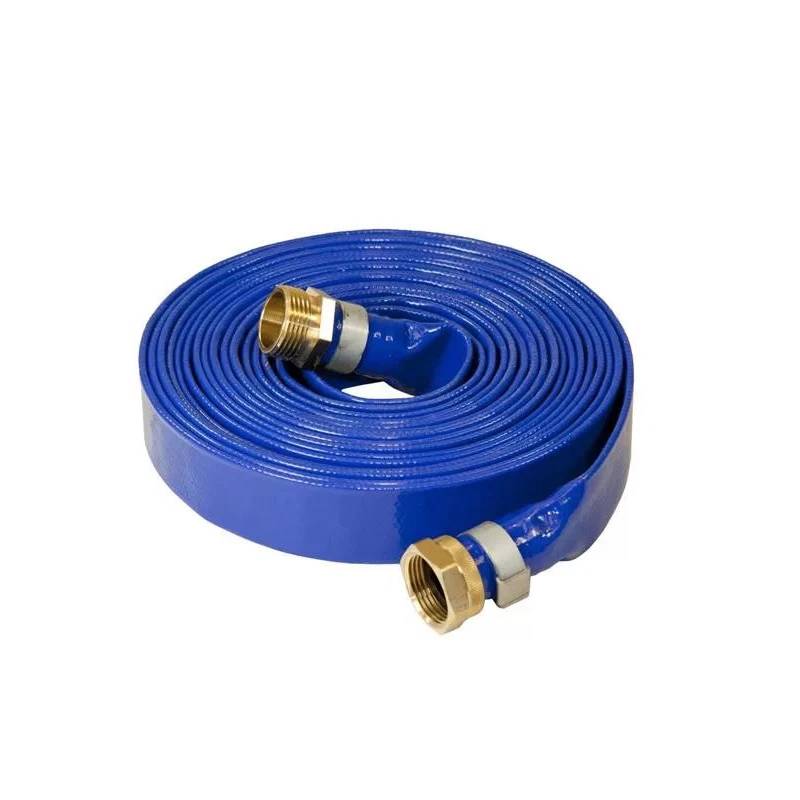
Understanding Rubber Canvas Hose Pipe: A Vital Industrial Component
Rubber canvas hose pipe – a phrase that might sound dry at first, but in reality, this bit of engineered tubing plays a surprisingly big role worldwide. From delivering water during a flood emergency to supporting irrigation in drought-hit regions, understanding this product means appreciating how versatile and crucial flexible hose solutions are. It matters globally because resilient, cost-effective transfer of fluids and gases underpins everything from agriculture to disaster relief, manufacturing to firefighting.
To put it plainly: when you see strong, durable, flexible hoses that won’t kink or leak easily, providing essential flow control, that’s often the rubber canvas hose pipe at work. Knowing how and why this hose functions—as well as its benefits—arms industries, NGOs, and engineers with better tools and smarter decisions.
Global Context: Why Rubber Canvas Hose Pipes Matter
The world’s water needs and industrial fluid handling grow every year. According to the United Nations, by 2025, nearly 1.8 billion people will face water scarcity (1). Rubber canvas hose pipes are essential in effectively channeling water, chemicals, and other liquids reliably. The World Bank estimates global agriculture alone uses more than 70% of freshwater withdrawals (2) — and these hoses help ensure water reaches crops efficiently.
Industrial pipelines can’t be rigid everywhere—some operations require hoses that withstand harsh weather, abrasion, or frequent movement. The challenge? To balance durability, flexibility, and cost. Rubber canvas hoses answer this by combining tough rubber layers with canvas reinforcement, creating hoses that adapt across industries and geographies.
What Is a Rubber Canvas Hose Pipe?
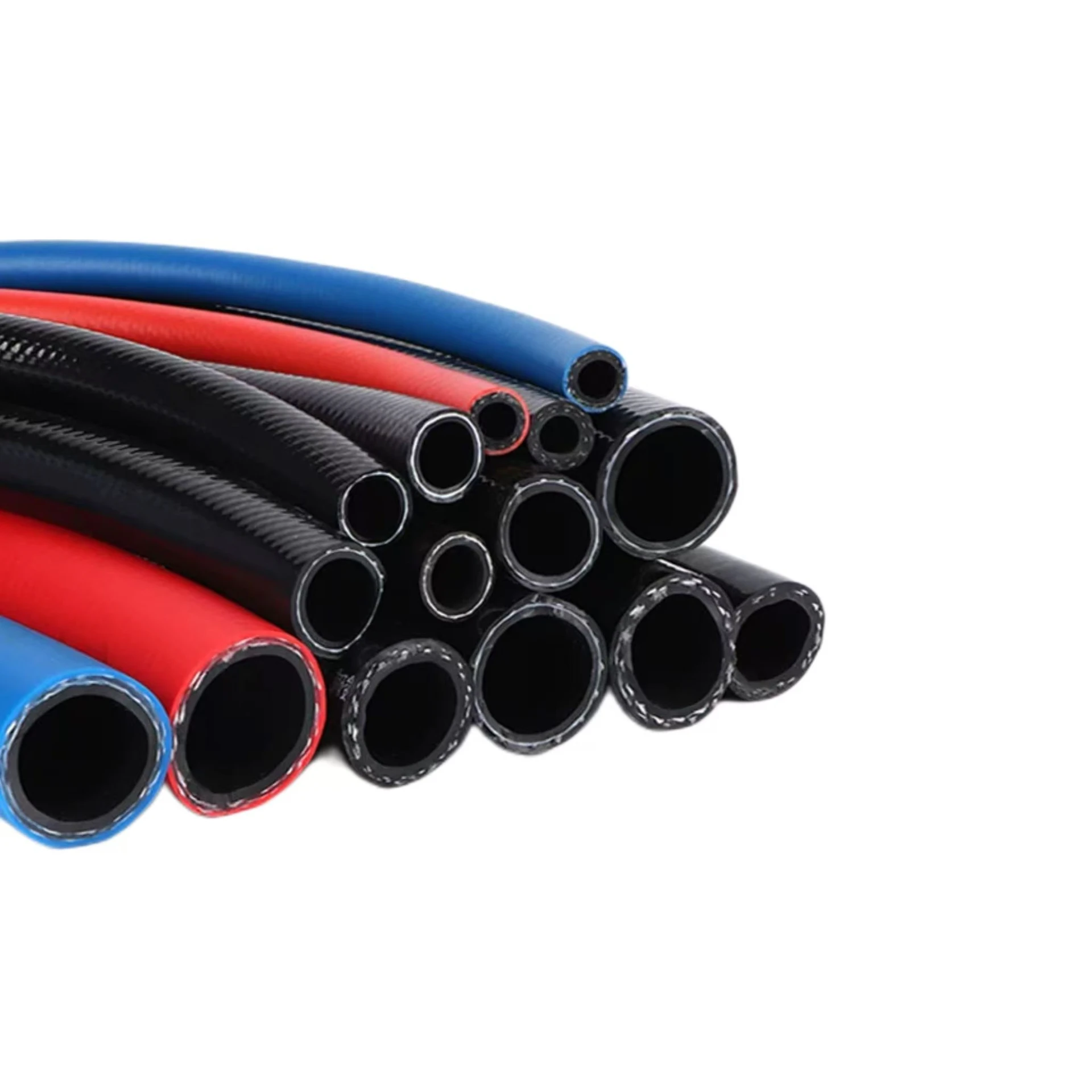
Simply put, a rubber canvas hose pipe is a flexible hose made by layering natural or synthetic rubber with a woven canvas fabric. The rubber provides waterproofing and elasticity, while the canvas adds tensile strength and resistance to stretching or bursting.
You often find these hoses in scenarios demanding flexible yet rugged fluid transfer — agricultural irrigation, chemical processing, and even firefighting. In humanitarian aid, they swiftly deploy for water distribution or fuel handling, bridging the gap between infrastructure limitations and urgent needs.
Core Features of Rubber Canvas Hose Pipes
Durability and Abrasion Resistance
The rugged canvas layer resists tearing and punctures, which means these hoses last longer under rough use. For example, agriculture and construction sites require hoses that survive rocky soil contact and dragging.
Flexibility and Bend Radius
Unlike metal pipes, rubber canvas hoses bend easily. This flexibility means fewer fittings and joints—cutting down leak risks. It’s a definite plus for temporary setups or difficult terrain.
Pressure and Temperature Ratings
Many rubber canvas hoses handle moderate pressure ranges (often 6-15 bar) and can endure temperature swings roughly from -20°C up to 80°C. This matches everyday industrial conditions well without excessive wear.
Chemical Compatibility
Depending on the rubber compound used, these hoses resist oils, acids, and other chemicals. Choosing the right composition lets you transport various fluids safely.
Cost Efficiency
Compared to specialized metal or composite hoses, rubber canvas pipes deliver great bang for the buck, making them affordable for large-scale and varied deployments.
Product Specification Table
| Attribute | Typical Value | Notes |
|---|---|---|
| Material | Natural/Synthetic Rubber + Canvas Fabric | Varies by manufacturer |
| Pressure Rating | 6-15 bar (approx. 90-220 psi) | Suitable for moderate industrial use |
| Temperature Range | -20°C to 80°C | Handles most fluid transfer conditions |
| Diameter | 1" to 12" | Custom sizes available |
| Weight | 1.2 - 7 kg/m | Depends on diameter & layers |
Global Applications: Where Rubber Canvas Hose Pipes Shine
- Agriculture: Irrigation systems around the world rely on these hoses to adjust flow and reach remote fields, especially in Africa and Asia.
- Disaster Relief Efforts: NGOs use flexible hoses for emergency water delivery when pipelines are damaged, such as after floods or earthquakes.
- Industrial Manufacturing: Chemical plants and factories transfer oils, solvents, and coolants via specialized rubber canvas hoses.
- Mining Operations: Moving slurry and water safely through rough, shifting terrain.
- Firefighting: While not the only kind, some fire hoses incorporate heavy-duty rubber canvas layers for abrasion resistance.
For instance, in the aftermath of the 2015 Nepal earthquake, relief teams rapidly deployed hose lines to channel potable water where infrastructure had collapsed. In rural India, farmers switch between rubber canvas hose pipe solutions to cope with seasonal water variability.
Mini takeaway: Rubber canvas hose pipes are literally lifelines in many corners of the world, adapting to challenges from rugged terrains to emergency contexts.
Advantages & Long-Term Value of Rubber Canvas Hose Pipes
On the surface, the affordability and flexibility catch your eye, but the deeper value runs into social impact and sustainability. They enable safe water access, protect workers from hazardous spills, and reduce environmental damage thanks to durability and chemical resistance.
Emotionally, this trustworthiness provides peace of mind. Businesses can count on minimizing downtime; communities feel assured their water isn’t being compromised. Innovation doesn’t always mean new gadgets—sometimes it’s time-tested materials engineered smartly.
Vendor Comparison: Popular Rubber Canvas Hose Pipe Suppliers
| Supplier | Price Range (USD/m) | Material Quality | Lead Time | Customization |
|---|---|---|---|---|
| ZSmart Flex Hose | $5–$12 | High-grade natural rubber & canvas | 2-3 weeks | Wide diameter and length options |
| GlobalHose Inc. | $7–$15 | Synthetic rubber blends | 3-4 weeks | Standard sizes only |
| HydroTech Supplies | $6–$10 | Natural rubber with canvas reinforcement | 1-2 weeks | Custom color & fittings available |
Future Trends and Innovations
Looking ahead, manufacturers are experimenting with eco-friendly rubbers derived from bio-sources, aiming to reduce petrochemical reliance. Digital technologies also enable better quality control — sensors embedded in hoses can detect leaks before serious issues arise.
Meanwhile, the push toward sustainable water management worldwide means demand for durable, recyclable hose products grows. Automation in agriculture combined with irrigation tech calls for adaptable hose pipes that endure robotic handling or varied pressures.
Challenges & Expert Solutions
It would be naive to say rubber canvas hoses are perfect; common issues include degradation from UV exposure and harsh chemicals. Plus, prolonged sun damage can stiffen the hose over time. However, advances in UV-resistant coatings and improved rubber formulations mitigate many problems.
Industry experts often recommend rigorous testing, proper storage, and routine inspections to extend service life—without adding excessive cost.
FAQs: Frequently Asked Questions About Rubber Canvas Hose Pipe
- What applications are rubber canvas hose pipes best suited for?
- These hoses excel in water transfer, irrigation, chemical handling, and emergency response where durability and flexibility matter. Their strength makes them reliable for moderate pressure environments.
- How do rubber canvas hoses compare to PVC hoses?
- Rubber canvas hoses generally offer better abrasion resistance, flexibility in cold weather, and chemical compatibility, while PVC hoses might be cheaper but less durable under rough conditions.
- Can rubber canvas hoses be customized for specialized industries?
- Yes, many vendors provide customized diameters, lengths, and fittings to meet specific needs, including enhanced chemical resistance or fire retardance.
- How long does a typical rubber canvas hose last?
- Under normal use, with good maintenance, these hoses might last 5-10 years. However, factors like UV exposure, chemical contact, and mechanical damage impact longevity.
- Are there environmental concerns with disposing of rubber canvas hoses?
- Disposal can be challenging since materials are composite. Industry efforts increasingly focus on recycling or repurposing used hoses to reduce landfill waste.
Conclusion & Call to Action
Rubber canvas hose pipes may not grab headlines, but their quiet versatility, affordability, and ruggedness power so many essential operations worldwide. Whether you're in agriculture, industry, or emergency planning, they offer a reliable, cost-efficient solution that stands the test of time and terrain.
If you’re interested in exploring high-quality rubber canvas hose options, consider browsing trusted vendors or specialists like ZSmart Flex Hose who offer tailored solutions for diverse applications.
After all, budget, durability, and adaptability are key to keeping projects running smoothly—rubber canvas hose pipes fit right into that formula.
Mini takeaway: A humble hose in design but a global workhorse by function — that’s rubber canvas hose pipe for you.
References:
1. UN Water Scarcity Report, 2021
2. World Bank Water Statistics, 2022
3. ISO 1307: Rubber Hose Testing Standards
Z-Smartflex delivers superior-quality industrial hoses and fittings with global reliability, offering you durable solutions and exceptional service for all your fluid transfer needs.