
Understanding the Quarter Inch Rubber Hose: A Small Component with Big Impacts
When you think of critical industrial components, a quarter inch rubber hose might not be the first thing that comes to mind. Yet, this unassuming device plays an outsized role across various sectors worldwide — from heavy industry to humanitarian efforts. Knowing why this hose matters can open doors to better infrastructure, safer operations, and smarter resource management. Oddly enough, it’s these small-diameter hoses that often help keep complex systems flowing smoothly.
Why the Quarter Inch Rubber Hose Matters Globally
The global rubber hose market, valued in the billions, reflects the growing demand for specialized yet adaptable transport of fluids, air, and gases. According to the International Organization for Standardization (ISO) and market research data, industries ranging from automotive to agriculture rely heavily on hoses that balance flexibility and durability. The quarter inch rubber hose, with its specific 0.25-inch diameter, is especially important in precise fluid transfer tasks, laboratory setups, and even in emergency relief contexts.
In terms of challenges, supply chain disruptions occasionally highlight the critical nature of such parts. For example, a minor failure in a small hose can cascade into costly downtimes or safety hazards. This reality is a reminder that tiny components like the quarter inch rubber hose deserve attention equal to their function.
Defining the Quarter Inch Rubber Hose
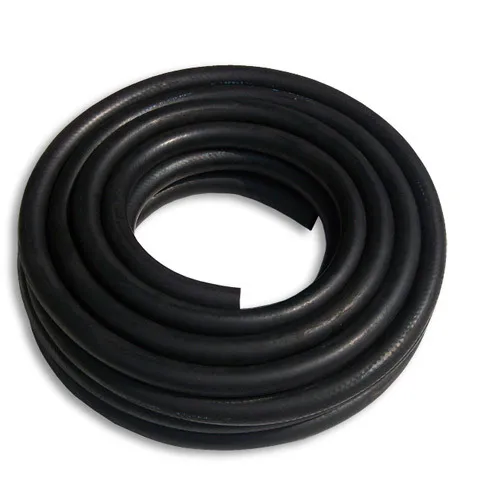
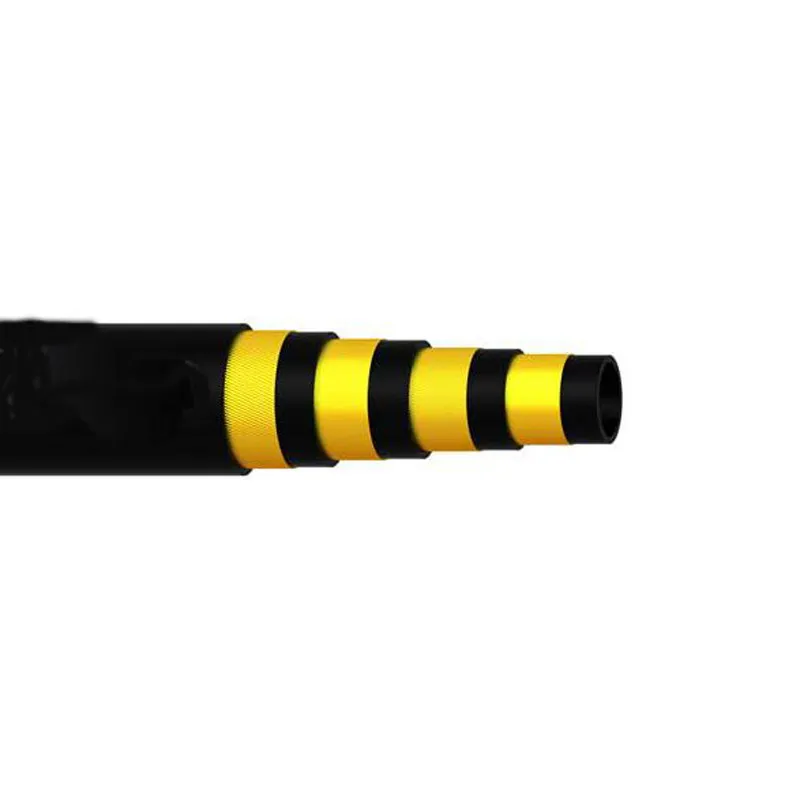
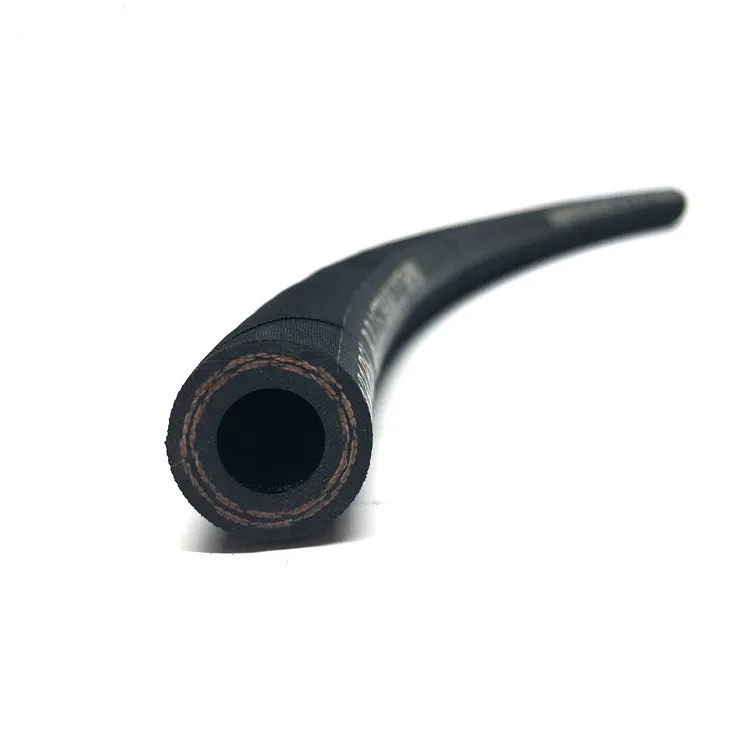
Simply put, the quarter inch rubber hose is a flexible tube, usually made from rubber or rubber-like synthetic materials, designed to safely convey liquids or gases through a diameter of 0.25 inches (6.35 mm). It’s often used where space is tight and precision flow is required—think pneumatic tools, beverage dispensing systems, or fuel lines. The choice of rubber as a material lends elasticity, chemical resistance, and toughness, all essential for reliable performance in modern industrial or humanitarian environments.
This hose finds a surprising connection to global needs: in disaster relief, for example, they’re part of water purification systems and medical devices, making clean water and medicine delivery possible even in the toughest conditions.
Key Factors of Quarter Inch Rubber Hoses
1. Durability
Constructed to withstand pressure variations and environmental extremes, these hoses resist cracking and wear. This is crucial when deployed outdoors or in chemical applications.
2. Flexibility
Because space is often at a premium, the hose’s ability to bend without kinking allows installation in complex machinery and confined areas.
3. Chemical Resistance
Specialized rubber compounds enable resistance to oils, acids, and fuels, expanding the hose’s versatility.
4. Temperature Tolerance
Depending on the compound, these hoses can operate in temperatures ranging roughly from -40°C to 120°C, perfect for many industrial and laboratory needs.
5. Cost Efficiency
Compared to metal or composite alternatives, rubber hoses often offer a cheaper initial investment while still lasting long under correct conditions.
Product Specifications at a Glance
| Specification | Detail |
|---|---|
| Inner Diameter | 0.25 inches (6.35 mm) |
| Material | Natural/Synthetic rubber, EPDM, NBR |
| Max Operating Pressure | Up to 300 psi (varies by type) |
| Temperature Range | -40°C to 120°C |
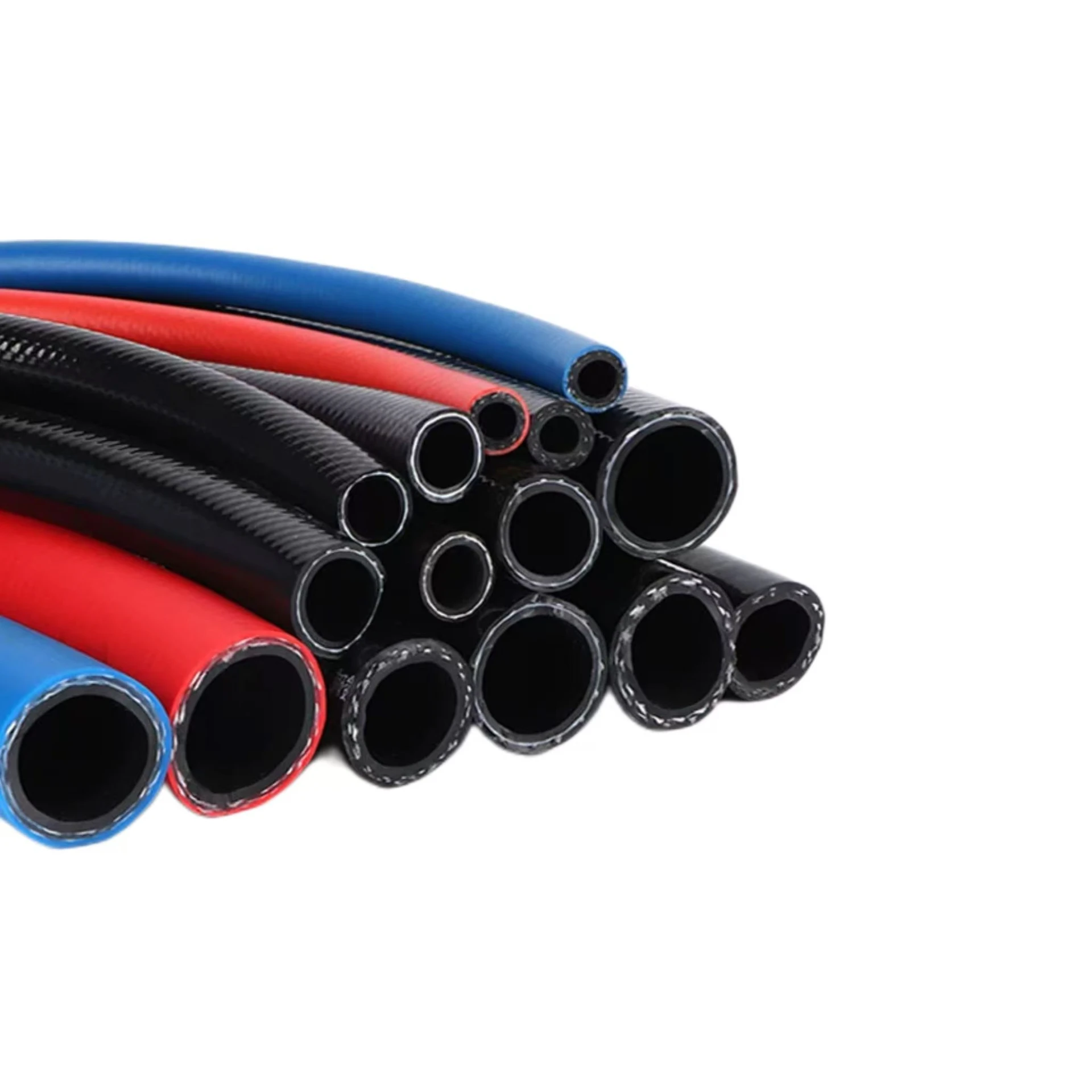
| Color Options | Black, transparent, custom colors |
| Common Uses | Fuel lines, pneumatic systems, chemical transfer, medical devices |
Mini takeaway: A quarter inch rubber hose combines flexibility, durability, and chemical resistance, making it a versatile solution in many fields.
Global Applications: Where and How These Hoses Make a Difference
Industrially, these hoses are found everywhere: in Asia’s growing manufacturing hubs, Europe’s automotive workshops, and North America’s laboratories. Quarter inch rubber hose is critical in agricultural irrigation systems in arid regions, small-scale chemical plants, and even in aerospace engineering for fuel control.
Take for example relief organizations operating in disaster zones: they rely on compact, reliable hoses to connect water purification units, contributing directly to health and sanitation improvements. Similarly, industries in remote areas like South America use these hoses extensively for equipment maintenance where alternatives are limited or too bulky.
Vendor Comparison: Top Suppliers of Quarter Inch Rubber Hoses
| Vendor | Material Options | Price Range (per meter) | Customization | Delivery Speed |
|---|---|---|---|---|
| ZSmart Flex Hose | EPDM, NBR, natural rubber | $1.50 – $3.00 | Custom colors, lengths | 1-3 days |
| Global Hose Ltd. | Mostly synthetic rubber | $1.75 – $3.50 | Limited | 3-7 days |
| Precision Hose Corp. | Wide range including silicone blends | $2.00 – $4.00 | Extensive | 5-10 days |
Advantages & Long-Term Value of Using Quarter Inch Rubber Hoses
Choosing the right quarter inch rubber hose translates into tangible benefits:
- Safety: High-quality hoses reduce leak risks and exposure to harmful fluids.
- Reliability: Longer service life lowers maintenance needs and operational interruptions.
- Sustainability: Many hoses today are recyclable or designed with greener materials.
- Cost Savings: Efficient hoses minimize wastage and downtime.
On a more human lvl, using dependable hoses can mean safer working conditions and peace of mind for engineers and operators who rely on their gear every day. Engineering innovation here isn’t just about function — it’s about supporting dignity and trust.
Future Trends & Innovations in Quarter Inch Rubber Hose Technology
Looking ahead, new rubber composites infused with nanomaterials promise even stronger chemical resistance and flexibility. Automation in hose manufacturing allows for precise customization, cutting waste and delivery times. Also, there’s an increasing push to produce hoses that are fully biodegradable or compatible with bio-based fluids — a nod to global sustainability goals.
Oddly enough, digital sensors embedded within hoses, though still early-stage, will soon enable real-time pressure and leak monitoring, a leap toward smarter, fail-proof fluid handling systems.
Challenges & Expert Solutions
Despite their benefits, quarter inch rubber hoses sometimes face issues like premature wear from UV exposure, chemical incompatibility, or mechanical abrasion. Experts suggest maintaining strict quality controls, adopting new polymer blends, and designing protective sheaths to tackle these problems.
Manufacturers such as ZSmart Flex Hose frequently emphasize testing and certification to ISO 8331 standards, assuring clients of durability and performance — critical for industrial or humanitarian projects where failure isn’t an option.
FAQ: Frequently Asked Questions About Quarter Inch Rubber Hose
Q1: What makes a quarter inch rubber hose better than plastic tubing?
A1: Rubber hoses typically offer greater flexibility, higher pressure tolerance, and better chemical resistance than plastic tubing. This makes them more durable and reliable in demanding environments.
Q2: How long does a typical quarter inch rubber hose last in industrial use?
A2: Lifespan varies based on conditions but generally ranges from 3 to 7 years with proper maintenance. Factors include exposure to chemicals, temperature fluctuations, and mechanical stress.
Q3: Can these hoses be custom-sized or colored?
A3: Yes, many vendors like ZSmart Flex Hose offer custom lengths and color options to fit specific application needs.
Q4: Are quarter inch rubber hoses suitable for food or medical applications?
A4: Certain grades of rubber hoses meet food-grade or medical-grade standards, typically using specialized materials and manufacturing processes to ensure safety and cleanliness.
Conclusion: Small Size, Big Importance
Though it might be just a quarter inch in diameter, the rubber hose plays a disproportionately large role in keeping industries and humanitarian efforts flowing. Its balance of durability, flexibility, and cost-effectiveness makes it indispensable worldwide. For anyone involved in fluid management, understanding and choosing the right quarter inch rubber hose is both smart and practical.
For more details on high-quality hoses, visit ZSmart Flex Hose — your source for reliable, customizable solutions tailored to global needs.
Takeaway: The quarter inch rubber hose might be small, but it’s a linchpin in modern industry and life-saving operations alike — worthy of attention, respect, and smart investment.
Z-Smartflex delivers superior-quality industrial hoses and fittings with global reliability, offering you durable solutions and exceptional service for all your fluid transfer needs.