Understanding Nitrile Rubber Hose: The Backbone of Modern Fluid Handling
You might not give them much thought while going about your day, but nitrile rubber hoses quietly perform crucial roles across industries worldwide. These flexible conduits carry everything from fuel in remote rigs to medical gases in hospitals. The global demand for reliable, durable hoses that resist oil, chemicals, and abrasion has soared—as nitrile rubber hose technology evolves to meet environmental, safety, and economic challenges.
According to the International Rubber Study Group, global synthetic rubber consumption keeps climbing steadily, partly fueled by demand in automotive and industrial sectors. That growth underscores why understanding nitrile rubber hose—the flexible piping made from nitrile butadiene rubber (NBR)—is essential for engineers, procurement specialists, and end-users alike. It’s not merely a product; it’s an enabling technology in manufacturing, infrastructure, and humanitarian operations.
Mini Takeaway: Nitrile rubber hoses serve as vital flexible connectors in many sectors, balancing chemical resistance and durability, proof positive that utility and innovation often come in simple packages.
Global Context: Why Does the Nitrile Rubber Hose Matter?
Around 75% of global industrial rubber demand involves synthetic types—the kind nitrile rubber belongs to—and the hose segment is a notable subset. World Bank data shows industries like mining and petrochemicals expanding in developing regions requiring hoses capable of withstanding harsh fluids and climates. Meanwhile, the humanitarian sector also relies on hoses to ensure clean water flow in disaster zones where sanitation is critical.
The challenge? Many materials degrade quickly under exposure to oils and chemicals. Natural rubber won’t cut it, and metals lack sufficient flexibility. Enter nitrile rubber—a synthetic alternative prized for its oil and fuel resistance. Oddly enough, despite this long track record, many procurement teams still overlook the fine differences between hose types, risking premature failures.
What Is a Nitrile Rubber Hose?
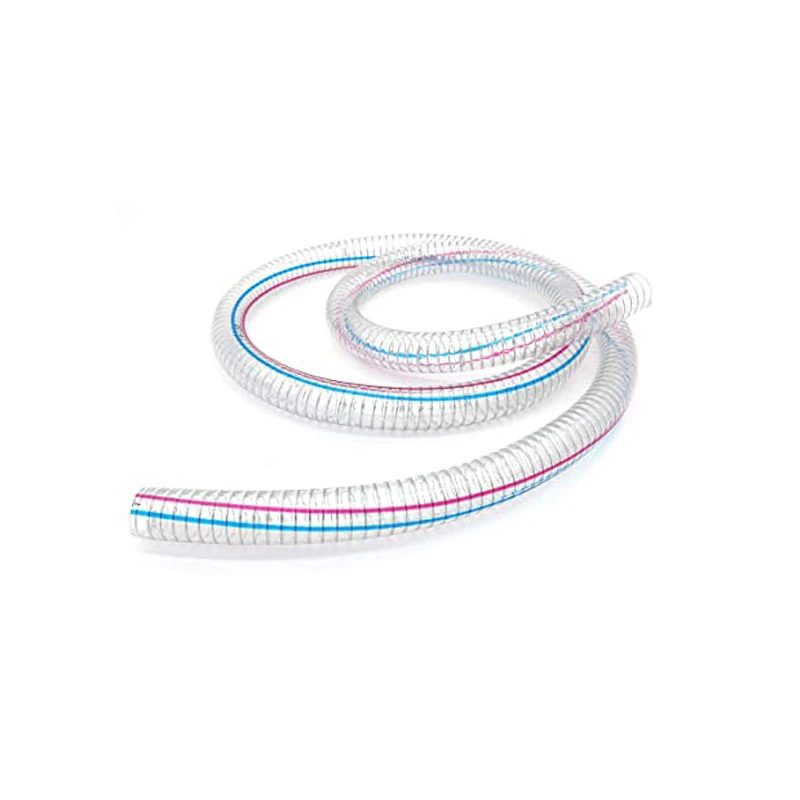
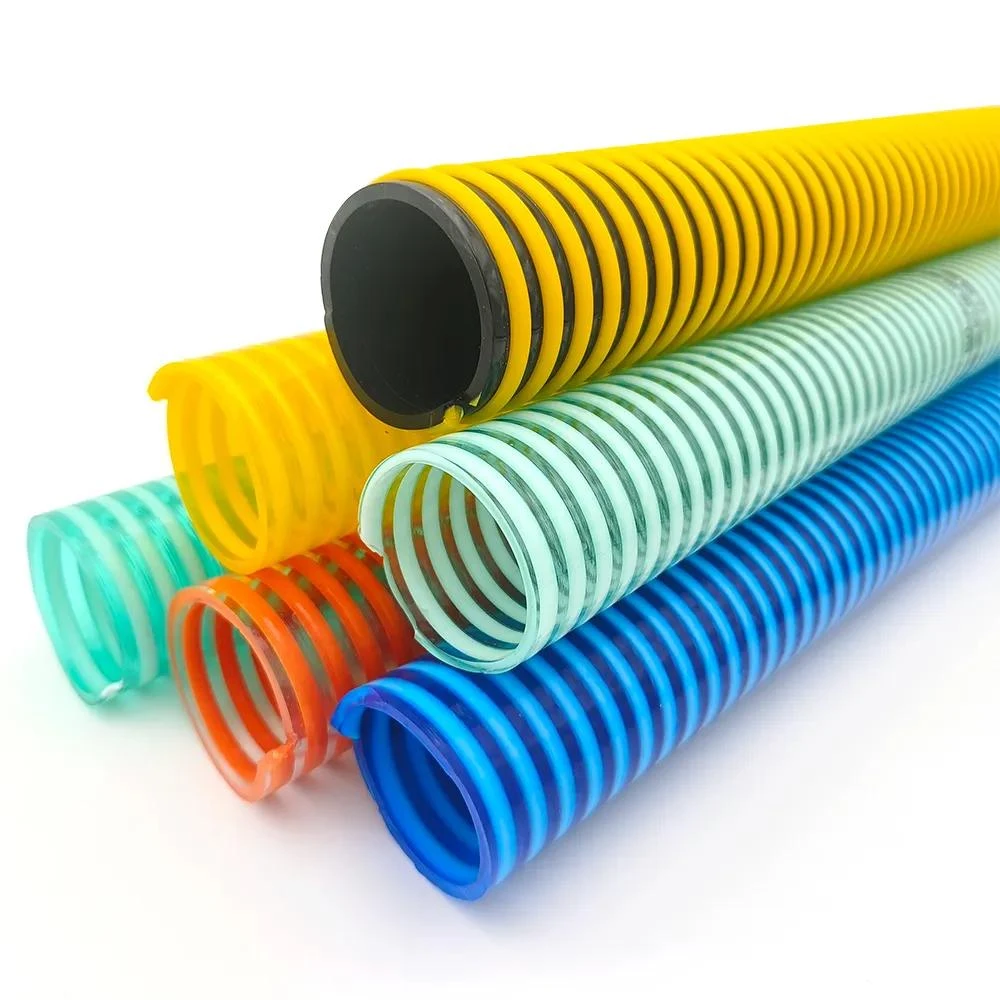
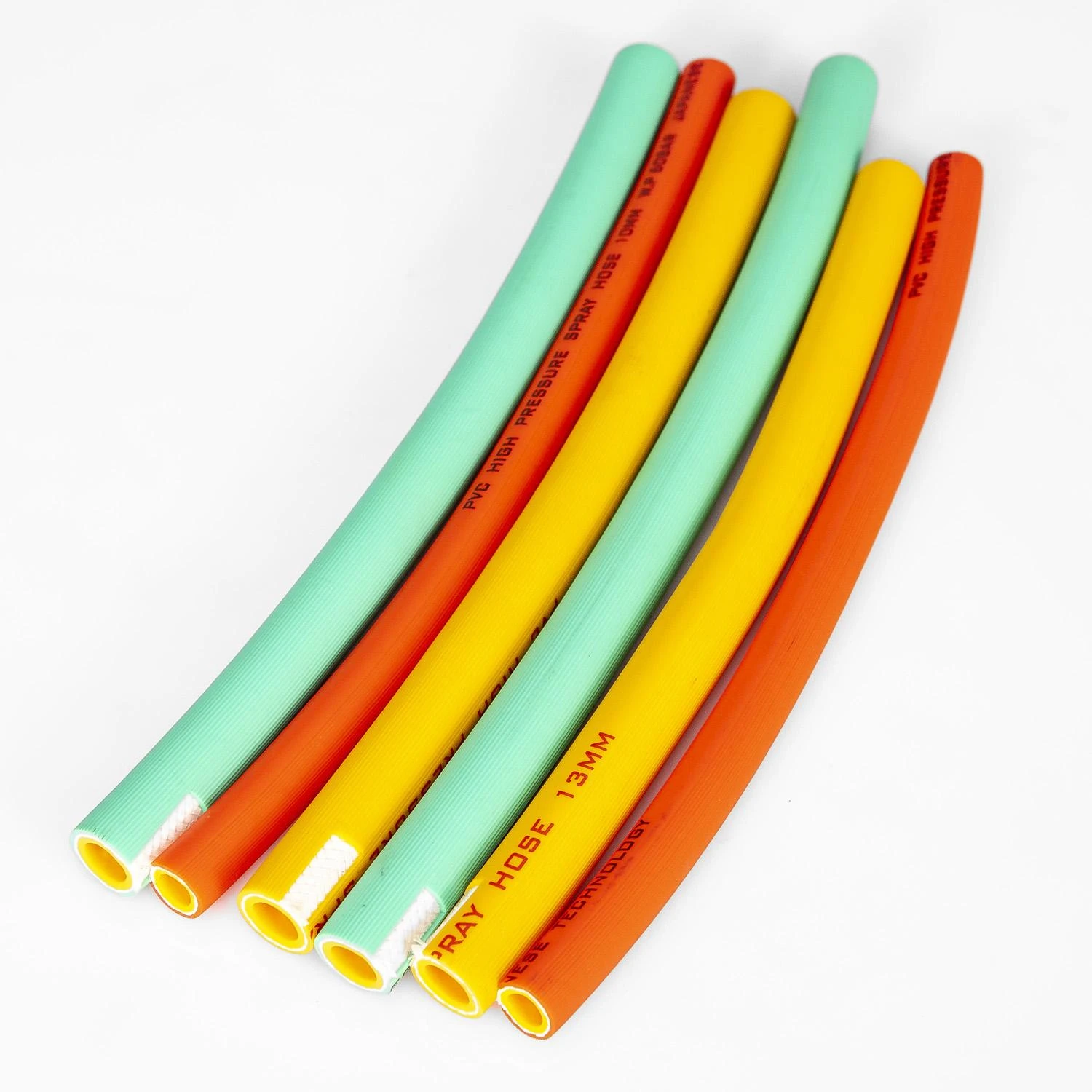
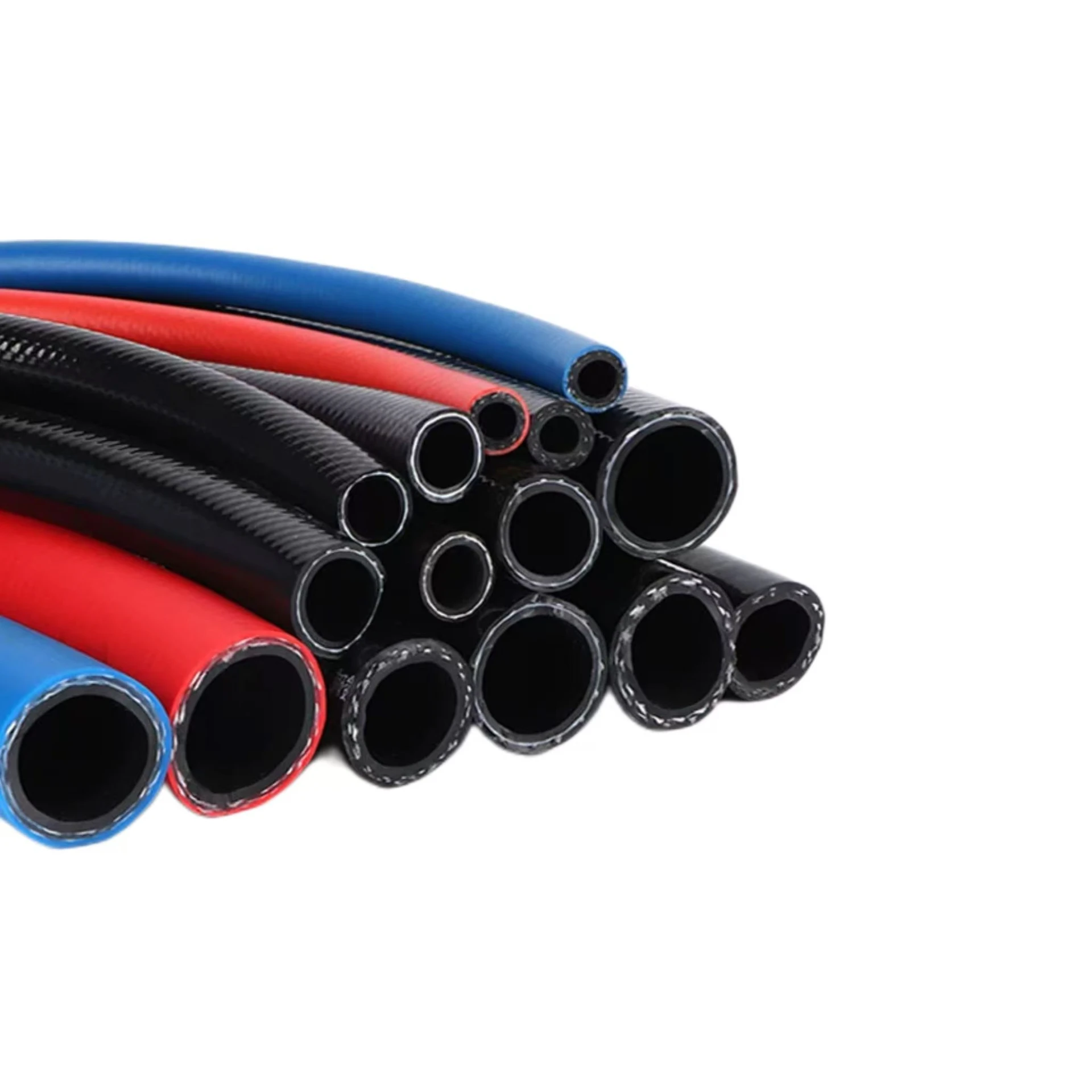
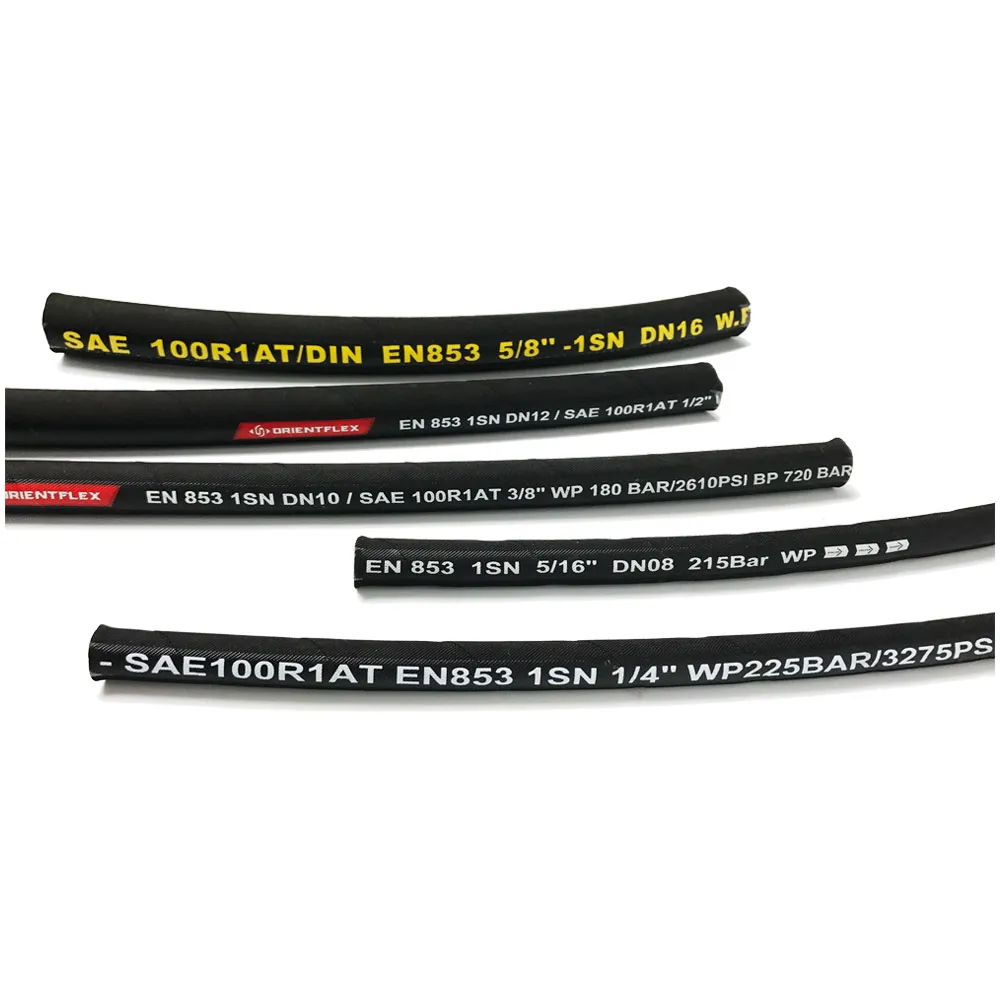
At its core, a nitrile rubber hose is a tube made from nitrile butadiene rubber (NBR) designed to transport liquids or gases, especially those containing petroleum-based substances. The material itself is resistant to oil, fuel, and certain chemicals—making it a common choice in automotive fuel lines, aviation refueling, and industrial fluid transfer.
Modern industries, from chemical processing plants in Germany to water relief efforts in Southeast Asia, depend on these hoses for reliable, leak-free performance. Even the medical world uses nitrile materials for gloves and tubing where contamination risks must be minimized.
Mini Takeaway: Nitrile rubber hose is a specialized synthetic product engineered to resist oils and fuels with a balance of toughness and flexibility.
Key Components & Factors of Nitrile Rubber Hose
1. Durability & Chemical Resistance
Nitrile butadiene rubber's molecular structure enables excellent resistance to petroleum, vegetable oils, and abrasion. This means hoses last longer in oily environments compared to most rubbers. In fact, exposed to oils, natural rubber might degrade within weeks, while nitrile can last months or years depending on formulation.
2. Flexibility & Temperature Range
Despite robust chemical resistance, the material remains flexible between -30°C and +100°C (sometimes more for specialty blends). That makes it suitable for cold climate operations and varied industrial settings needing hoses to withstand temperature swings.
3. Pressure & Tensile Strength
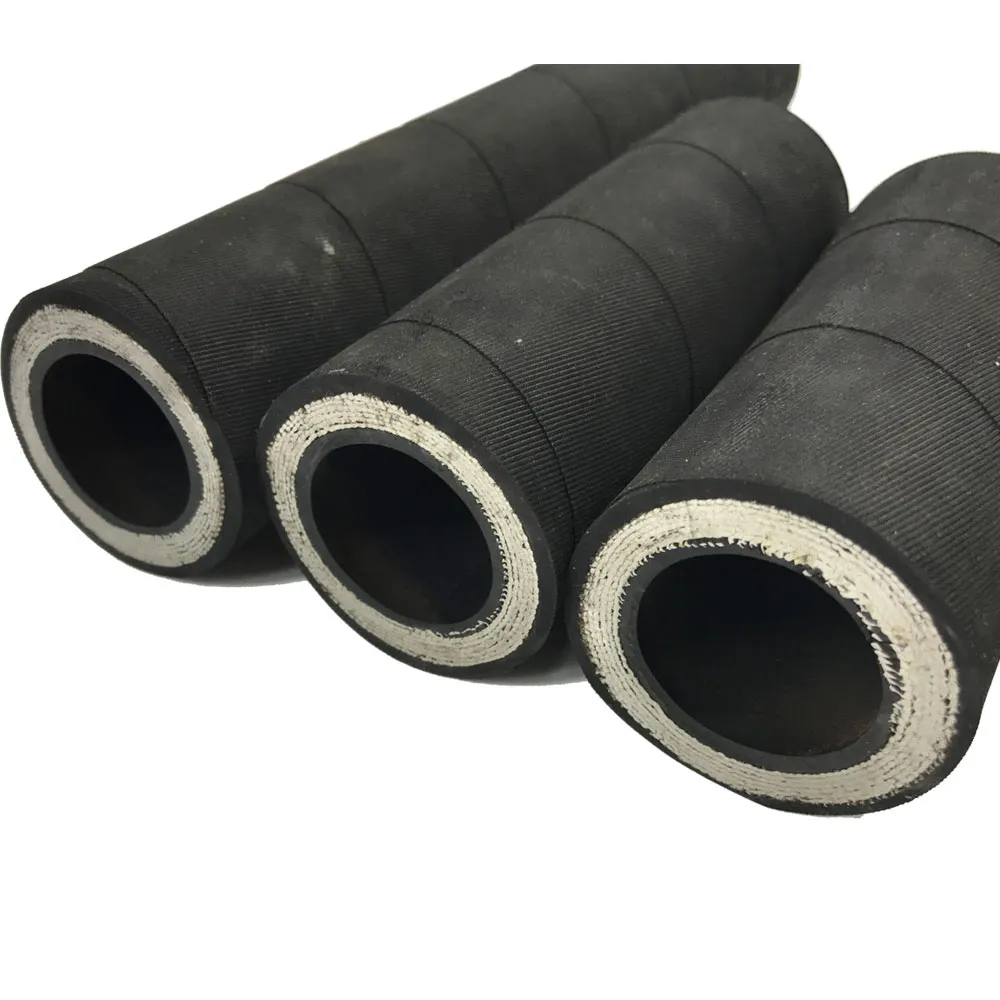
Depending on reinforcement layers (nylon, steel wire), nitrile hoses can handle pressures from 10 to over 300 psi. The tensile strength supports not just fluid flow but mechanical handling during installation and maintenance.
4. Cost Efficiency & Reusability
While nitrile hoses might cost slightly more upfront than cheaper PVC hoses, their lifespan and chemical resistance translate into fewer replacements and downtime—important when every stoppage means lost productivity.
| Specification | Typical Value | Units |
|---|---|---|
| Temperature Range | -30 to +100 | °C |
| Maximum Working Pressure | 300 | psi |
| Tensile Strength | 15-25 | MPa |
| Oil Resistance (ASTM Test) | Excellent | Qualitative |
| Typical Wall Thickness | 2.5 - 6.5 | mm |
Global Applications & Use Cases
From the offshore oil rigs of the North Sea to bustling manufacturing plants in Southeast Asia, nitrile rubber hoses fulfill critical fluid transport roles. For example:
- Petrochemical plants: Transfer of crude oil, diesel, and lubricants demands hoses impervious to chemical breakdown.
- Automotive manufacturing: Fuel lines and hydraulic hoses that resist gasoline and transmission fluids.
- Disaster relief: Emergency water supply lines and sanitation systems use durable hoses to ensure clean water flow quickly and safely.
- Aerospace & aviation: Fuel delivery hoses withstand aviation kerosene and varied temperature conditions.
Regions with growing industrial bases, such as India, Brazil, and parts of Africa, increasingly rely on proven nitrile hose solutions to reduce downtime caused by equipment failure. NGO supply chains also feature these hoses when establishing temporary infrastructure in post-disaster zones.
Mini Takeaway: The nitrile rubber hose is a tried and tested solution spanning industries worldwide, offering reliability where contamination or chemical exposure is a concern.
Advantages & Long-Term Value of Nitrile Rubber Hose
What’s striking is how this hose blends tangible and intangible benefits perfectly tuned to modern needs:
- Cost-Effectiveness: In real terms, spending a bit more upfront can save significant funds over years through durability and reduced maintenance.
- Environmental Benefits: Longevity reduces waste, and some manufacturers offer recyclable NBR compounds aligned with ISO environmental standards.
- Safety & Trust: The hoses’ chemical resistance mitigates leaks, avoiding hazardous spills and enhancing worker safety.
- Operational Reliability: Their flexibility and strength ease installation in tight spaces and harsh environments, reducing downtime risks.
Frankly, for many engineers I’ve spoken with, nitrile rubber hoses represent a combination of innovation and reliability—something “you just trust will do the job” when deadlines loom.
Future Trends & Innovations in Nitrile Rubber Hose
Innovations are underway to improve performance and sustainability. For instance, researchers look into bio-based nitrile materials using renewable feedstocks, aiming to reduce reliance on petrochemicals. Digital transformation means sensors could soon be embedded to monitor hose integrity in real-time, reducing unexpected failures.
Meanwhile, in tune with global shifts toward green energy, nitrile hoses now increasingly accommodate biodiesel and ethanol blends. Standards bodies like ISO are updating ratings to reflect these new fuels, safeguarding users. I suppose widespread automation in factories will encourage even more precisely engineered hoses customized for specific fluids and pressures.
Challenges & Practical Solutions
Of course, no product is perfect. Nitrile hoses can degrade under prolonged UV exposure or ozone, requiring protective coatings or jacket layers. Temperature extremes at the edges of their rating may shorten life spans, so precise application matching is critical.
Many companies overcome these issues by pairing nitrile with specialized reinforcements or blending with other elastomers for hybrid hoses. Advances in chemical formulations also help tailor resistance profiles precisely.
| Vendor | Material Quality | Customization Options | Pricing | Global Reach |
|---|---|---|---|---|
| ZSmartFlexHose | Premium NBR blends | Full custom sizes & colors | Competitive | Worldwide shipping |
| Global Rubber Co. | Standard grade NBR | Limited customization | Mid-range | Regional (EMEA, Asia) |
| FlexTech Solutions | High-performance elastomers | Custom engineering services | Premium pricing | North America, Europe |
FAQ: Frequently Asked Questions About Nitrile Rubber Hose
-
Q: How do nitrile rubber hoses compare to PVC hoses for fuel transfer?
A: Nitrile hoses offer much better oil and fuel resistance than PVC, which tends to swell or degrade with prolonged hydrocarbon exposure. They also handle higher pressures and temperatures, making them safer and longer-lasting for fuel transfer. -
Q: Can nitrile rubber hoses be used outdoors in harsh sunlight?
A: NBR can degrade under UV exposure, though many manufacturers add protective jackets or coatings to extend outdoor lifespan. For long-term outdoor use, ensure the hose specs mention UV resistance or provide additional shielding. -
Q: What industries benefit the most from nitrile rubber hoses?
A: Key industries include petrochemical, automotive, aerospace, and humanitarian water & sanitation projects. Anywhere chemical resistance and flexible fluid transport are critical, nitrile hoses excel. -
Q: How can my company import nitrile rubber hoses internationally?
A: Work with established vendors who provide global shipping and certification compliance. Check import regulations in your country and request technical datasheets for customs. Vendors like ZSmartFlexHose specialize in international distribution.
Conclusion: Why Nitrile Rubber Hose Is Worth Your Investment
In the end, nitrile rubber hoses embody a subtle yet powerful engineering triumph: resistance without rigidity, durability without bulk. They quietly enable critical processes from fueling aircraft to providing potable water where it’s most needed. Investing in quality nitrile hoses means safer operations, fewer headaches, and longer service life.
Curious to explore your options or place an order? Visit our website: https://www.zsmartflexhose.com
A little reliability goes a long way, and nitrile rubber hoses deliver it quietly but confidently.
References
Z-Smartflex delivers superior-quality industrial hoses and fittings with global reliability, offering you durable solutions and exceptional service for all your fluid transfer needs.