Understanding the 25mm ID Rubber Hose: Essential Insights and Global Impact
If you've ever dabbled in plumbing, irrigation, or industrial setups, chances are you've come across a 25mm id rubber hose. But beyond just the numbers and letters, this small-diameter hose plays a surprisingly significant role worldwide—from large-scale industry to emergency relief efforts. Today, let’s unpack why this seemingly modest component deserves attention and how its applications ripple far beyond the immediate scene.
Introduction: Why the 25mm ID Rubber Hose Matters Globally
Oddly enough, a 25mm internal diameter rubber hose might not be the first thing one thinks of when considering global infrastructure or humanitarian aid. Yet, globally it’s a workhorse component: the kind often overlooked but fundamentally vital. According to the International Organization for Standardization (ISO), flexible hoses must meet strict quality standards given their role in transferring fluids safely and efficiently (ISO 10380).
In fact, the World Bank flags water management as a critical development area — and flexible hoses like the 25mm ID kind are key to effective water distribution and industrial fluid movement. Industries and governments worldwide face challenges such as infrastructure aging, climate change impacts, and emergency responsiveness, where adaptable components make a measurable difference.
Mini takeaway: In real terms, the 25mm ID rubber hose isn't just a tool of convenience but a small part of solving large water and industrial challenges worldwide.
Defining the 25mm ID Rubber Hose
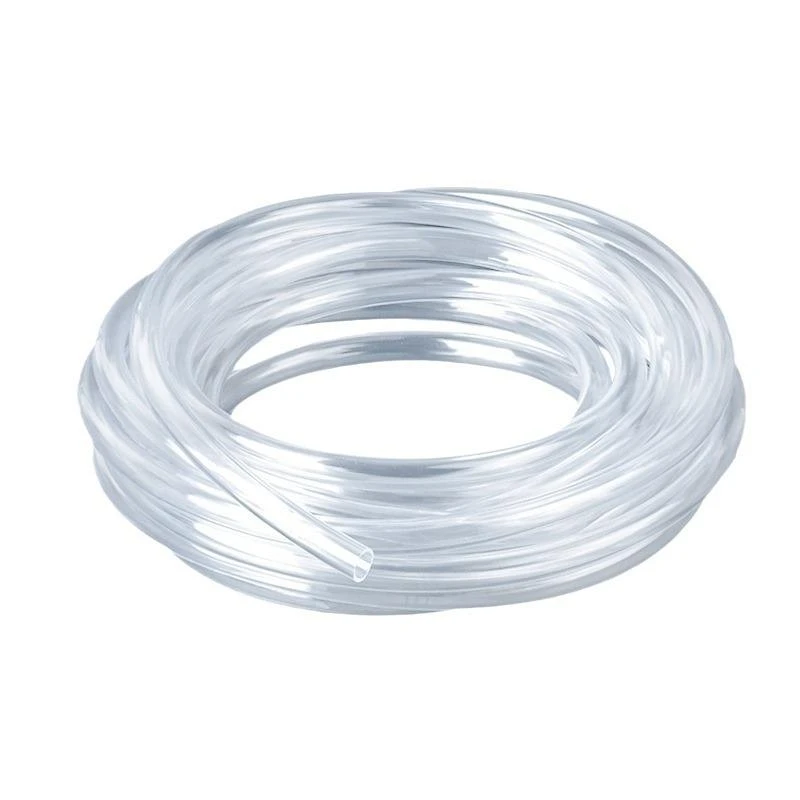
Let’s break it down—"25mm ID" means the hose has an internal diameter of 25 millimeters (roughly 1 inch). The “rubber hose” portion refers to the flexible tube made primarily of rubber or rubber-like synthetic materials designed to transport liquids, gases, or slurries safely and under pressure.
This hose size strikes a balance between flexibility and flow capacity. It’s widely used across industries like agriculture, manufacturing, automotive sectors, and disaster relief operations. Its particular diameter supports a moderate volume of flow while remaining lightweight and easy to handle.
Mini takeaway: The 25mm ID rubber hose is a versatile workhorse that mixes practical handling with effective fluid transfer, making it globally useful.
Core Components and Key Factors of the 25mm ID Rubber Hose
1. Durability and Material Composition
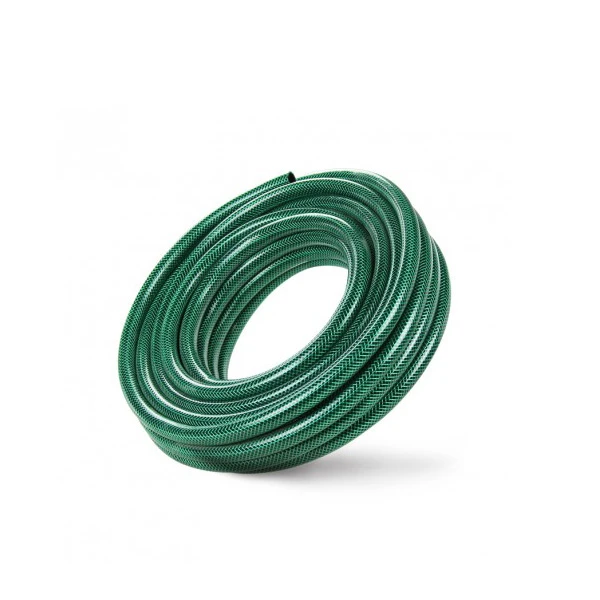
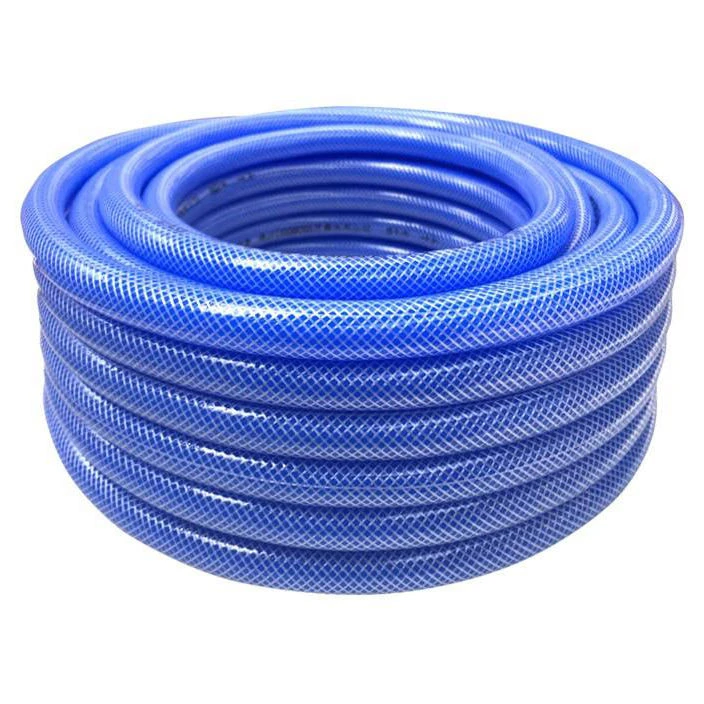
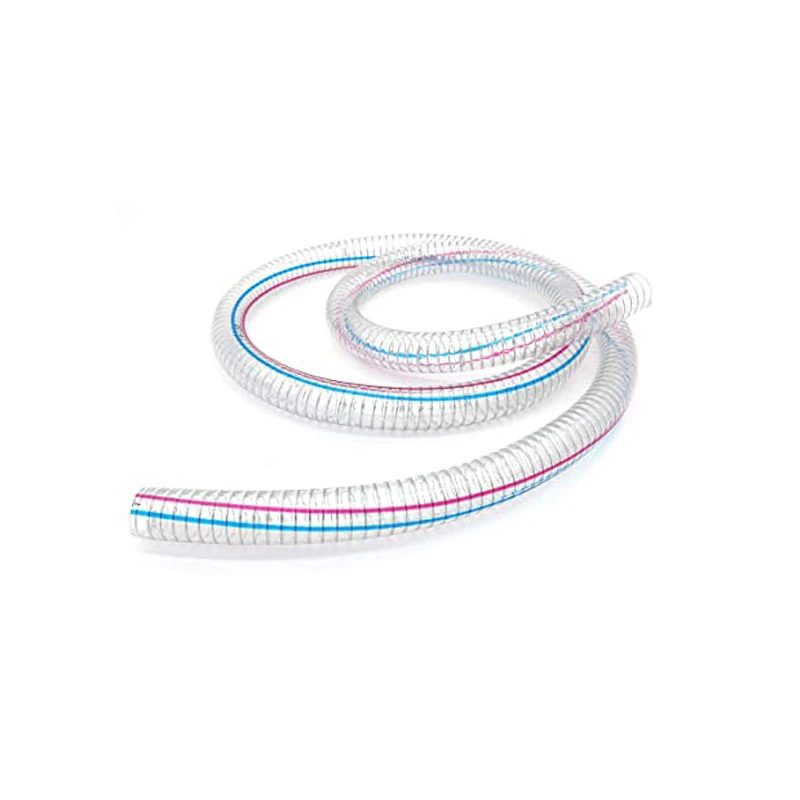
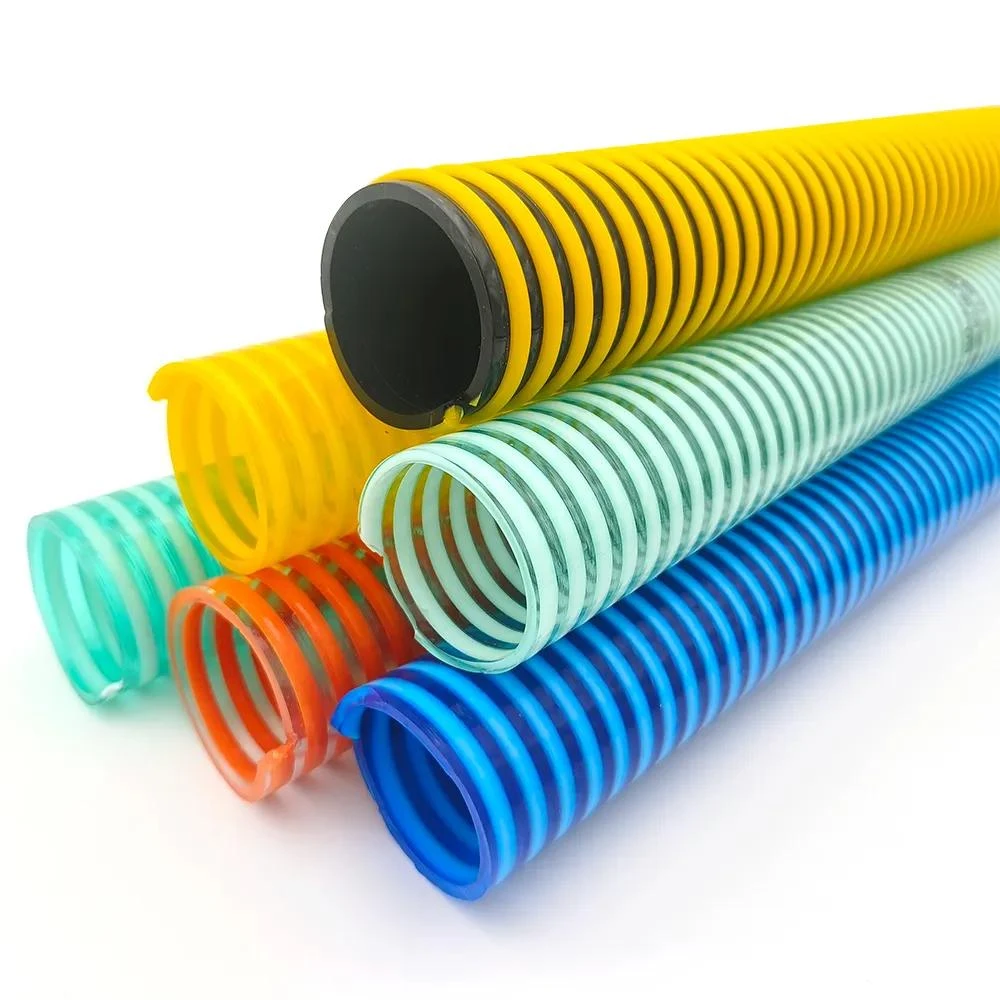
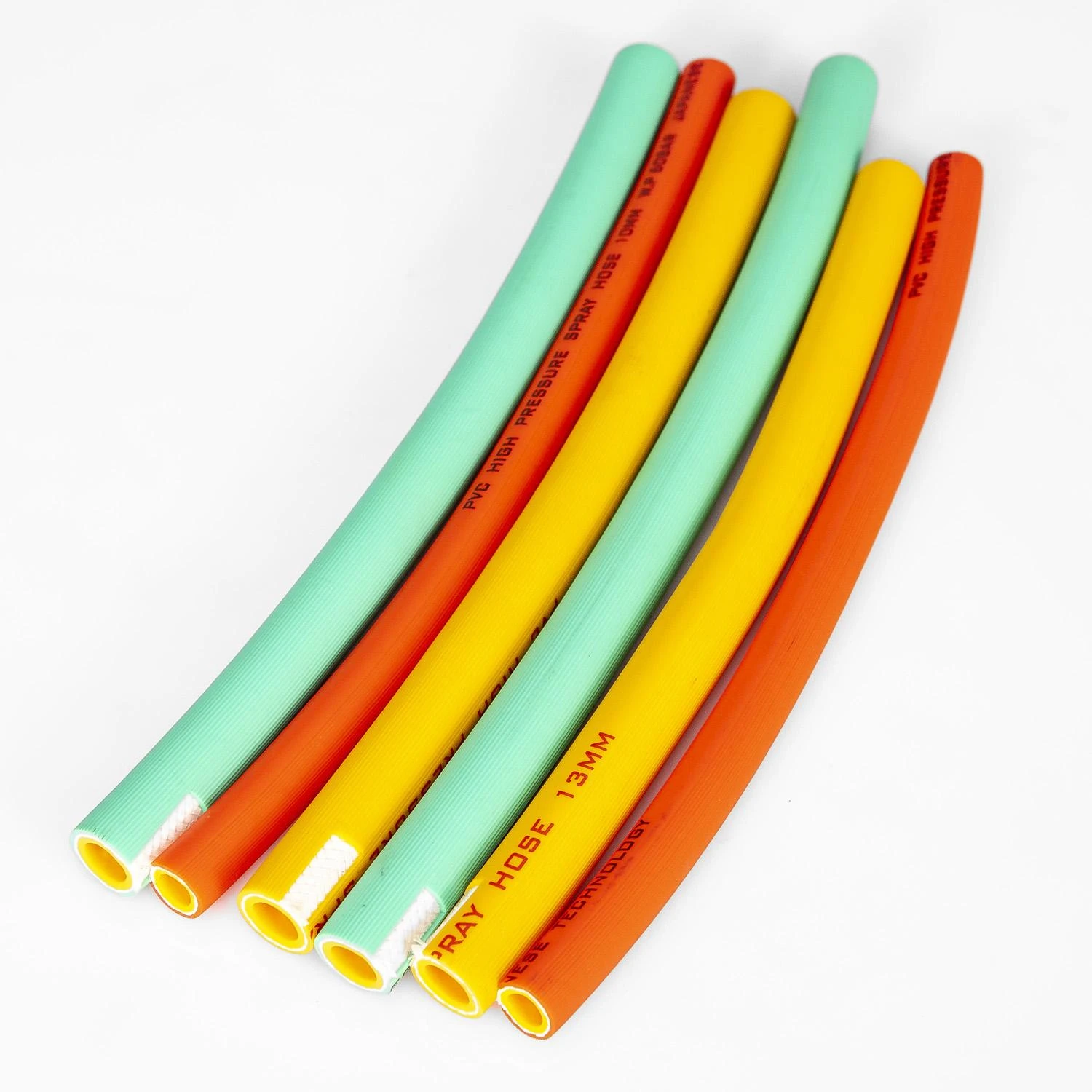
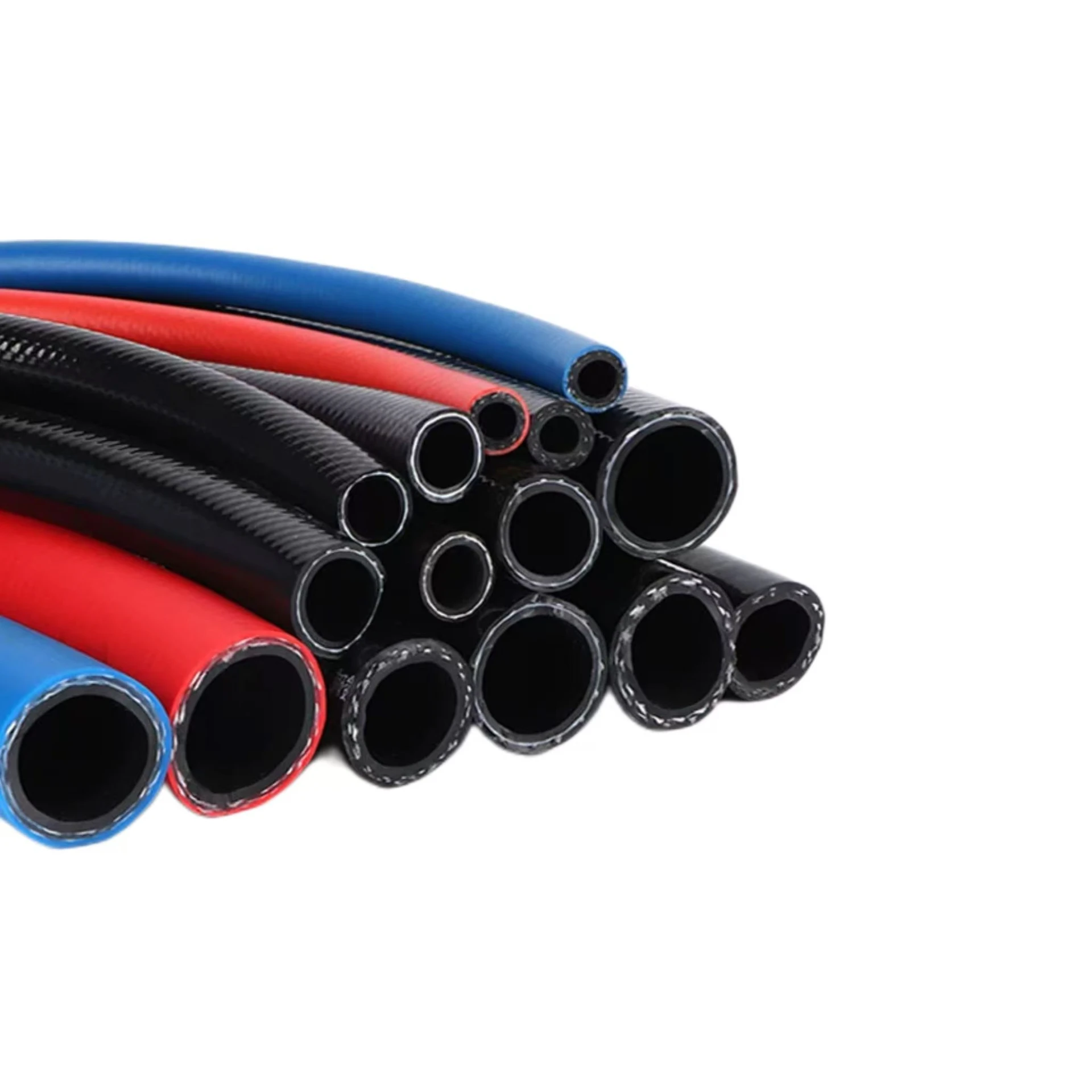
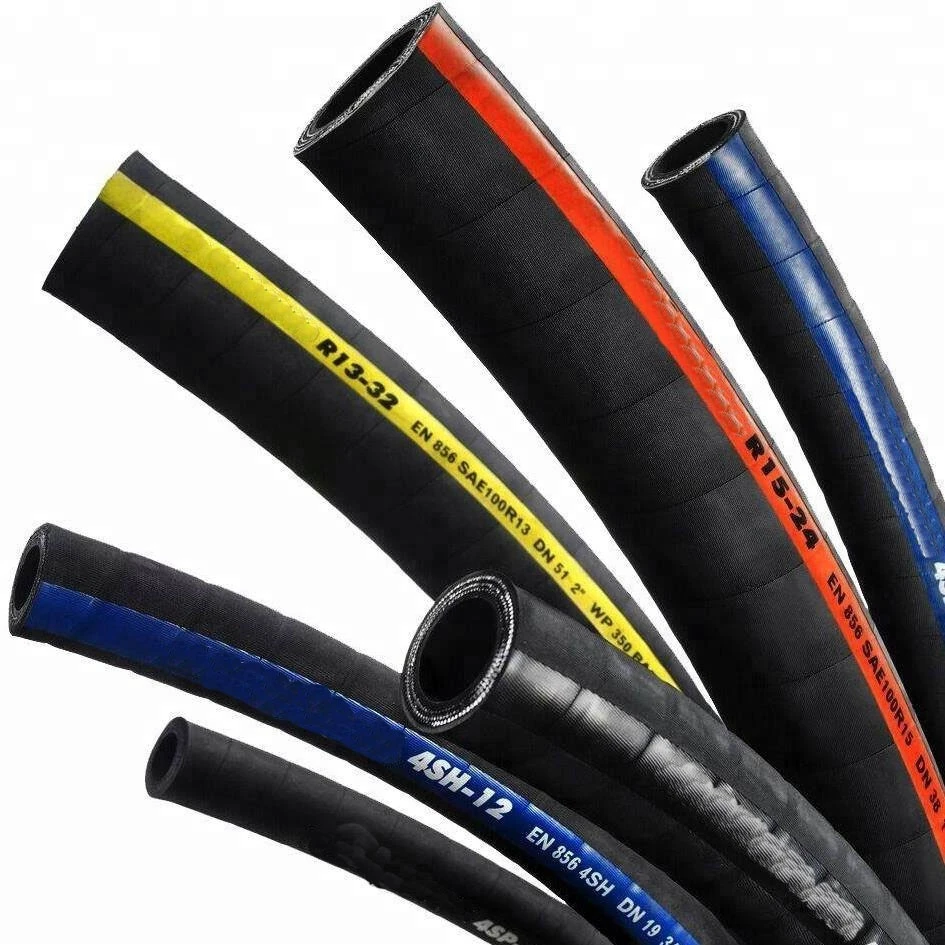
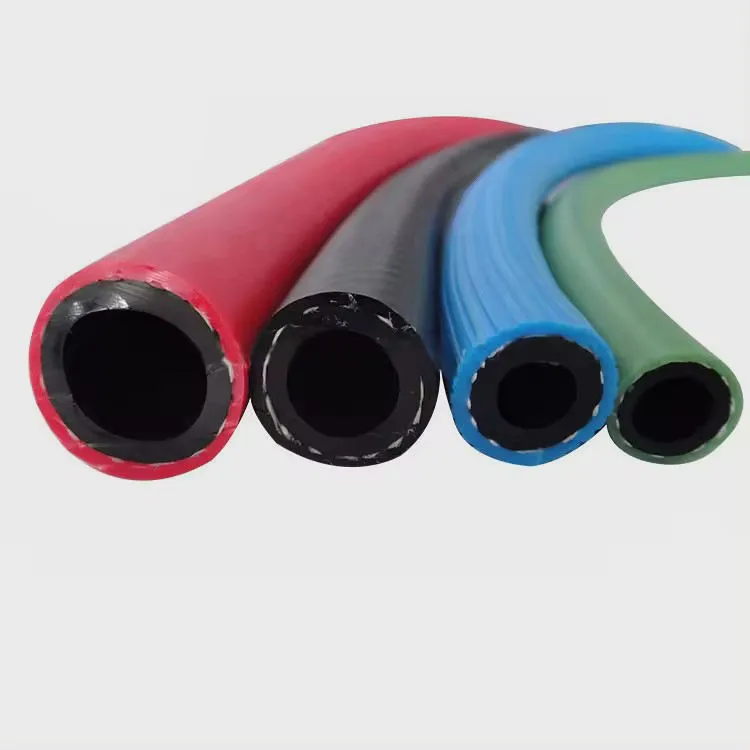
Good hoses rely on strong inner liners (like nitrile or EPDM) for chemical resistance and outer layers for abrasion and weather protection. The 25mm ID rubber hose often features multi-layered constructions, with reinforcement cords or braids that prevent kinking and bursting, especially critical when working with pressurized fluids.
2. Flexibility and Size Efficiency
The 25mm diameter strikes a sweet spot. Smaller diameters can clog or limit flow; larger ones become cumbersome. Flexibility lets users snake hoses through tight spaces or rapidly deploy in emergencies.
3. Pressure Ratings and Safety
Depending on manufacturing standards, these hoses can safely handle pressures from 8 to 20 bar or more. That means they’re reliable enough for industrial uses but also affordable enough for widespread adoption.
4. Chemical and Temperature Resistance
A properly designed rubber hose will resist common industrial chemicals and fluctuate well across temperature ranges from -20°C to +80°C (approximately), although these specs vary by manufacturer.
5. Cost Efficiency
Rubber hoses in this size range are widely produced, supporting competitive pricing without sacrificing reliability, which is essential for projects with budget constraints.
| Specification | Typical Values |
|---|---|
| Internal Diameter | 25 mm (1 inch) |
| Working Pressure | 8–20 bar (116–290 psi) |
| Temperature Range | -20°C to +80°C |
| Material | EPDM/Nitrile Rubber, Synthetic Polymers |
| Reinforcement | Fiber Braided or Spiral Steel Wire |
Mini takeaway: The balance of durability, flexibility, and cost efficiency makes the 25mm rubber hose a dependable choice across many fields.
Global Applications & Use Cases
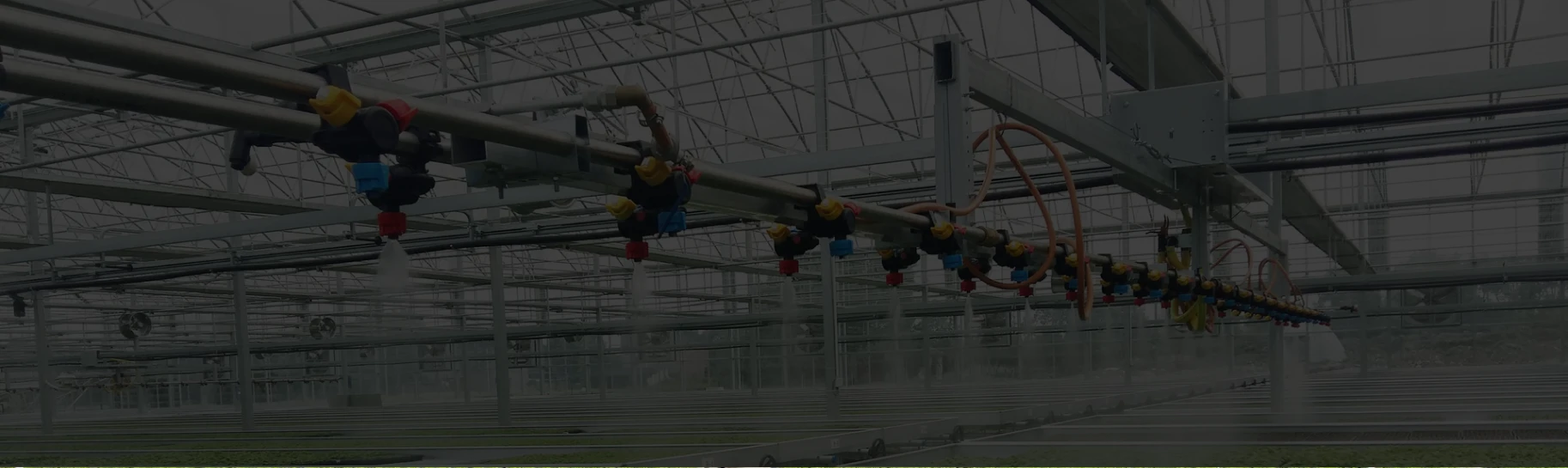
Where do these hoses really shine? Everywhere. In agriculture, farmers use these hoses for drip irrigation and transfer of fertilizers—often in regions like India, Brazil, and the US, where water conservation is paramount. In manufacturing, automotive plants rely on them to move lubricants or coolants under consistent pressure.
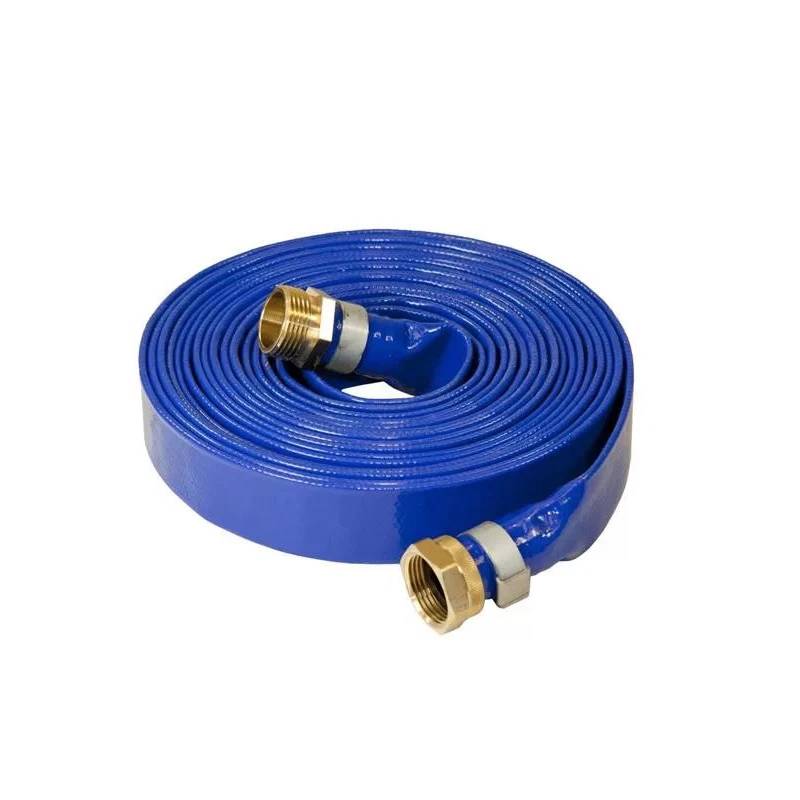
Oddly enough, humanitarian operations count on 25mm ID rubber hoses too. In post-disaster relief—think earthquakes or floods—clean water distribution must be quick, adaptable, and safe. NGOs and agencies often use these hoses for setting up temporary water stations in places like Haiti or the Philippines.
Mining and remote industrial zones appreciate the hoses’ robust chemical resistance and ease of transport thanks to their manageable size. Given how many industries depend on fluid transfer, these hoses inevitably appear behind the scenes worldwide.
Vendor Comparison: A Snapshot
| Vendor | Material Quality | Price (USD/meter) | Customization | Warranty |
|---|---|---|---|---|
| ZSmart Flex Hose | EPDM & Reinforced Fiber Braided | $4.50 | Custom lengths, fittings available | 5 years |
| Global Hose Corp. | Nitrile rubber, standard braid | $5.00 | Standard sizes only | 3 years |
| HoseTech Industries | EPDM with steel wire spiral | $6.00 | Custom diameters on request | 7 years |
Advantages & Long-Term Value
The practical benefits are fairly straightforward: they're cost-effective, durable, and easy to deploy. But it’s also the emotional factors that count—safety, trust in equipment when lives depend on it, and dignity when clean water arrives after a disaster.
Rubber hoses provide reliability—rarely failing under stress—and sustainability, thanks to advancements in recyclable synthetic rubbers and manufacturing processes. You could think of the 25mm ID rubber hose as a small investment with big returns: less downtime, lower replacement costs, and stable operation under tough conditions.
Future Trends & Innovations
Manufacturers are looking at bio-based rubbers to reduce environmental impact. Smart hoses embedded with sensors that monitor pressure, flow rates, and temperature in real time are slowly entering the market. Digital transformation bodes well for maintenance planning and operational efficiency.
Green energy projects also require flexible yet robust hoses capable of handling novel fluids such as biofuels or hydrogen mixtures — so expect 25mm ID hoses to evolve with new materials and reinforcements catering to these demands.
Challenges & Solutions
One challenge is balancing durability against cost, especially where repeated bending and abrasion occur. Another is ensuring hoses remain flexible without compromising safety factors related to pressure resistance. Sourcing consistent quality is a perpetual concern in global markets.
Innovations such as hybrid rubber composites and enhanced braiding techniques address such issues. Clients are also advised to work closely with vendors regarding custom specifications, testing, and certifications like ISO 9001 to validate quality.
FAQ: Frequently Asked Questions About 25mm ID Rubber Hose
- Q: What pressures can a 25mm ID rubber hose safely handle?
- A: Most standard hoses in this size manage between 8 and 20 bars (116–290 psi), depending on reinforcement and material. Check specific vendor specs for exact ratings.
- Q: Can these hoses be used for potable water?
- It depends on the material. Hoses with FDA-approved liners or those labeled as "food grade" are suitable for drinking water. Always verify certification from manufacturers.
- Q: How flexible is a 25mm rubber hose for tight installations?
- Generally very flexible relative to larger diameter hoses, making them ideal for applications needing maneuvering around obstacles. Multi-layered reinforcement balances flexibility with burst resistance.
- Q: How do I maintain a 25mm ID rubber hose for longevity?
- Store in cool, shaded areas to avoid UV degradation. Regularly inspect for cracks or wear, avoid dragging on rough surfaces, and flush hoses after chemical use.
- Q: Are customized lengths and fittings available for these hoses?
- Most reputable vendors, like ZSmart Flex Hose, offer customization options to match specific project needs including fittings and connectors.
Conclusion
To sum it up, the 25mm id rubber hose is a small but mighty component in industries across the globe, enabling safer, more efficient fluid transfer everywhere — from farming fields to emergency sites. Its blend of durability, flexibility, and cost makes it a sensible choice for many users. Frankly, thinking about this hose is like appreciating a humble workhorse: straightforward, reliable, and indispensable.
If your projects require dependable hoses that you can trust, don’t hesitate to check out the product range and customization options available at ZSmart Flex Hose. It's a practical next step for professionals seeking proven quality.
Mini takeaway: Embracing the small details like reliable hoses can lead to big advances in performance and safety across sectors—and that’s worth reflecting on.
References
Z-Smartflex delivers superior-quality industrial hoses and fittings with global reliability, offering you durable solutions and exceptional service for all your fluid transfer needs.