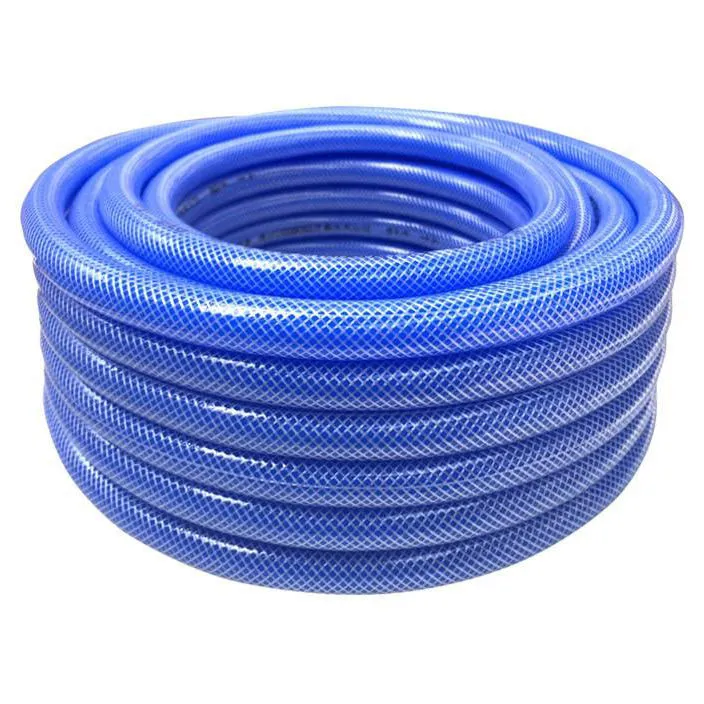

Understanding the Marine Radiator Hose: A Quiet Backbone of Maritime Engines
If you've ever pondered what keeps a ship's engine cool amid the salty seas, the humble marine radiator hose is likely behind that feat. While it’s not flashy, this component plays a pivotal role in marine engine systems worldwide. Globally, with over 50,000 commercial vessels and countless leisure crafts tirelessly traversing oceans, ensuring engine reliability is more critical than ever. That’s where a high-quality marine radiator hose steps in—not just enabling cooling but safeguarding against costly failures and delays at sea.
Why the Marine Radiator Hose Holds Global Significance
The maritime industry accounts for nearly 80% of global trade by volume (UN Conference on Trade and Development, 2022). Engines on these vessels operate in harsh, corrosive environments demanding robust cooling mechanisms to prevent overheating. This challenge escalates as vessels become larger and engine power outputs increase. In recent years, stricter international environmental standards (like IMO Tier III) have pushed for more efficient engine designs, making dependable radiator hoses indispensable. Without them, even the most advanced propulsion systems can falter.
Mini takeaway: The marine radiator hose isn’t just a water conduit; it’s essential for engine longevity, compliance, and safety at sea.
What Exactly Is a Marine Radiator Hose?
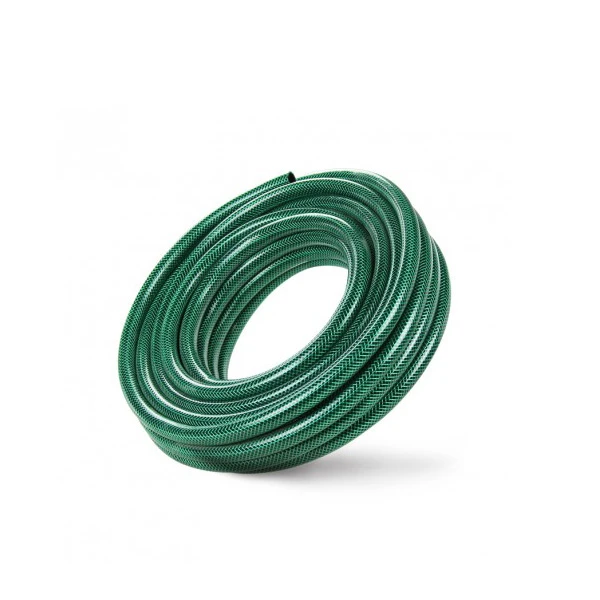
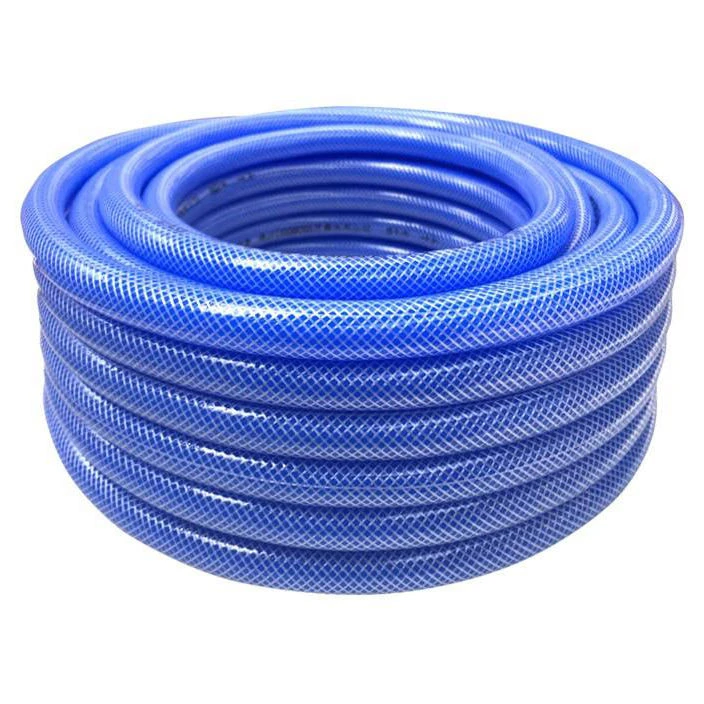
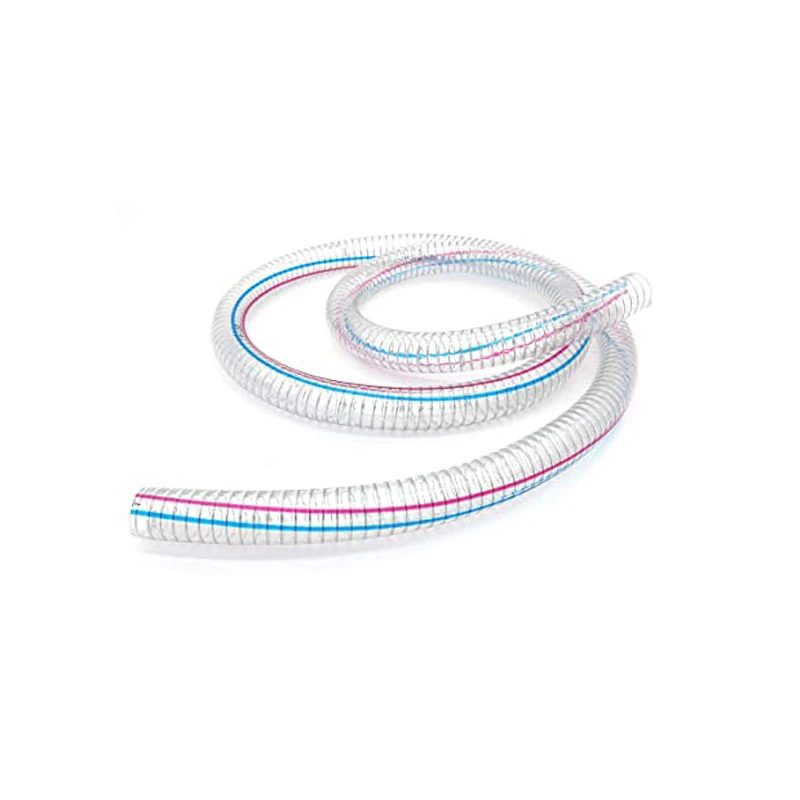
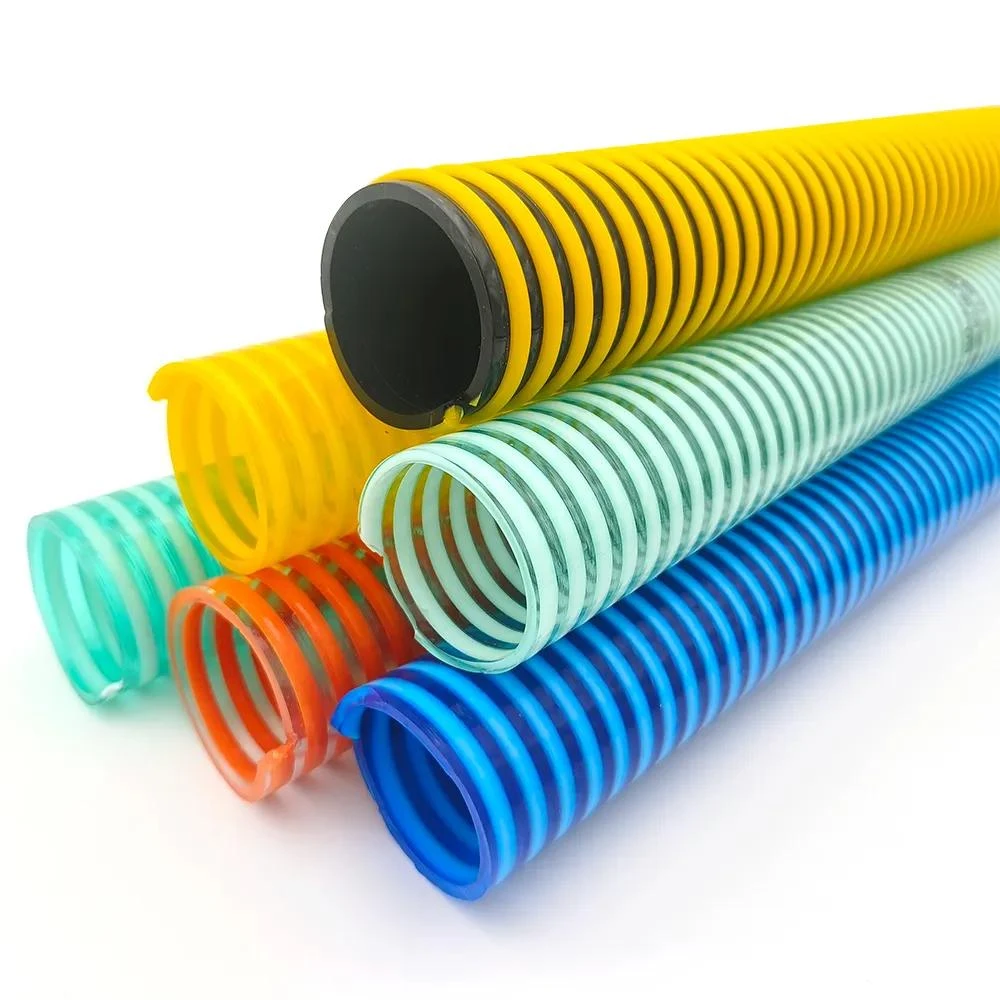
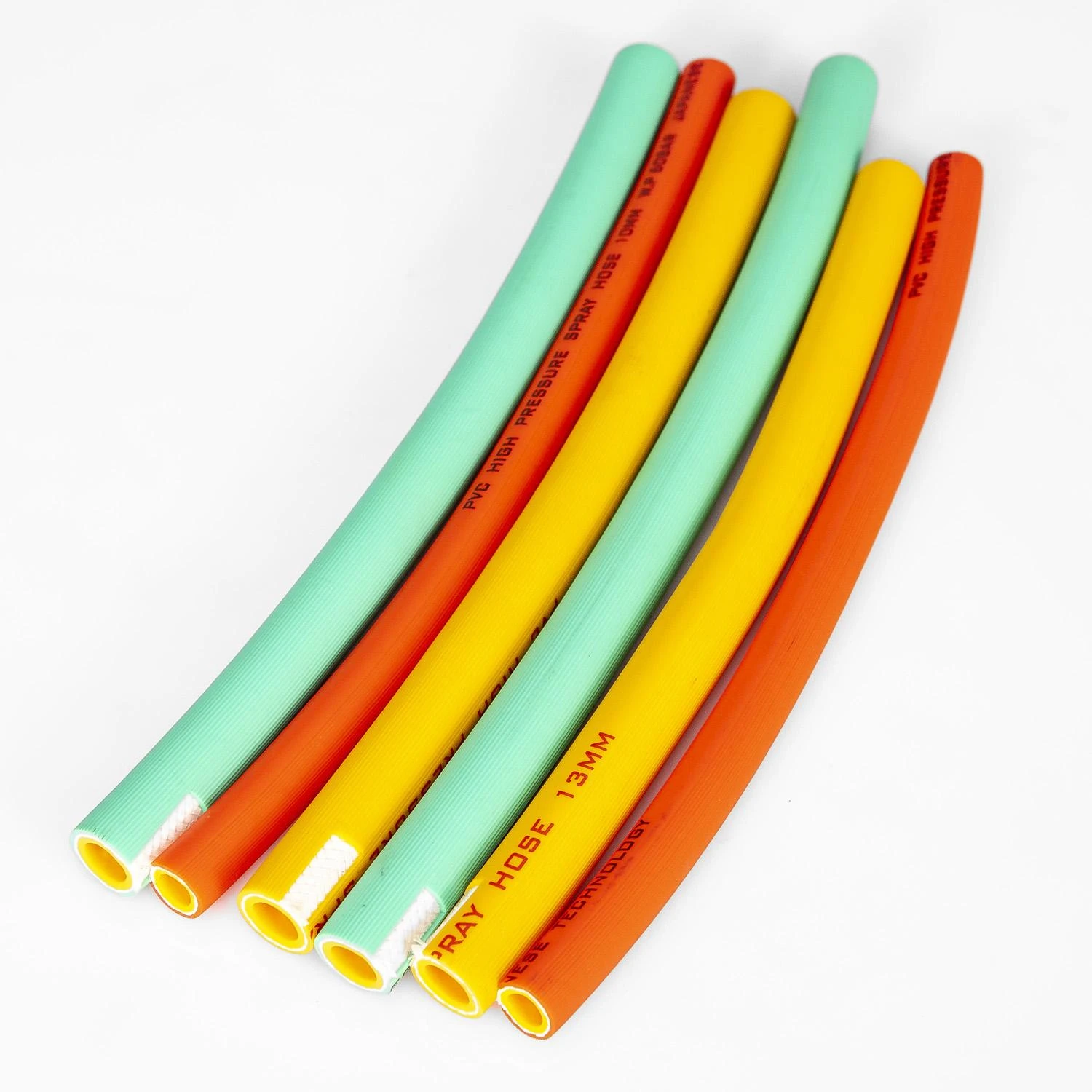
Simply put, a marine radiator hose is a flexible, durable tubing connecting a ship's engine radiator to the cooling system, channeling coolant fluid to dissipate heat. Unlike automotive hoses, these must withstand saltwater exposure, varying pressures, vibration from engines, and temperature extremes. Their role is similar to car radiator hoses but with an extra dose of maritime ruggedness.
In practical terms, these hoses ensure that the engine operates at an optimal temperature, which is crucial to avoid overheating and potential engine damage. From commercial fishing vessels in Alaska to luxury yachts in the Mediterranean, this component quietly keeps the journey smooth.
Key Features to Consider in Marine Radiator Hoses
1. Durability Against Harsh Environmental Conditions
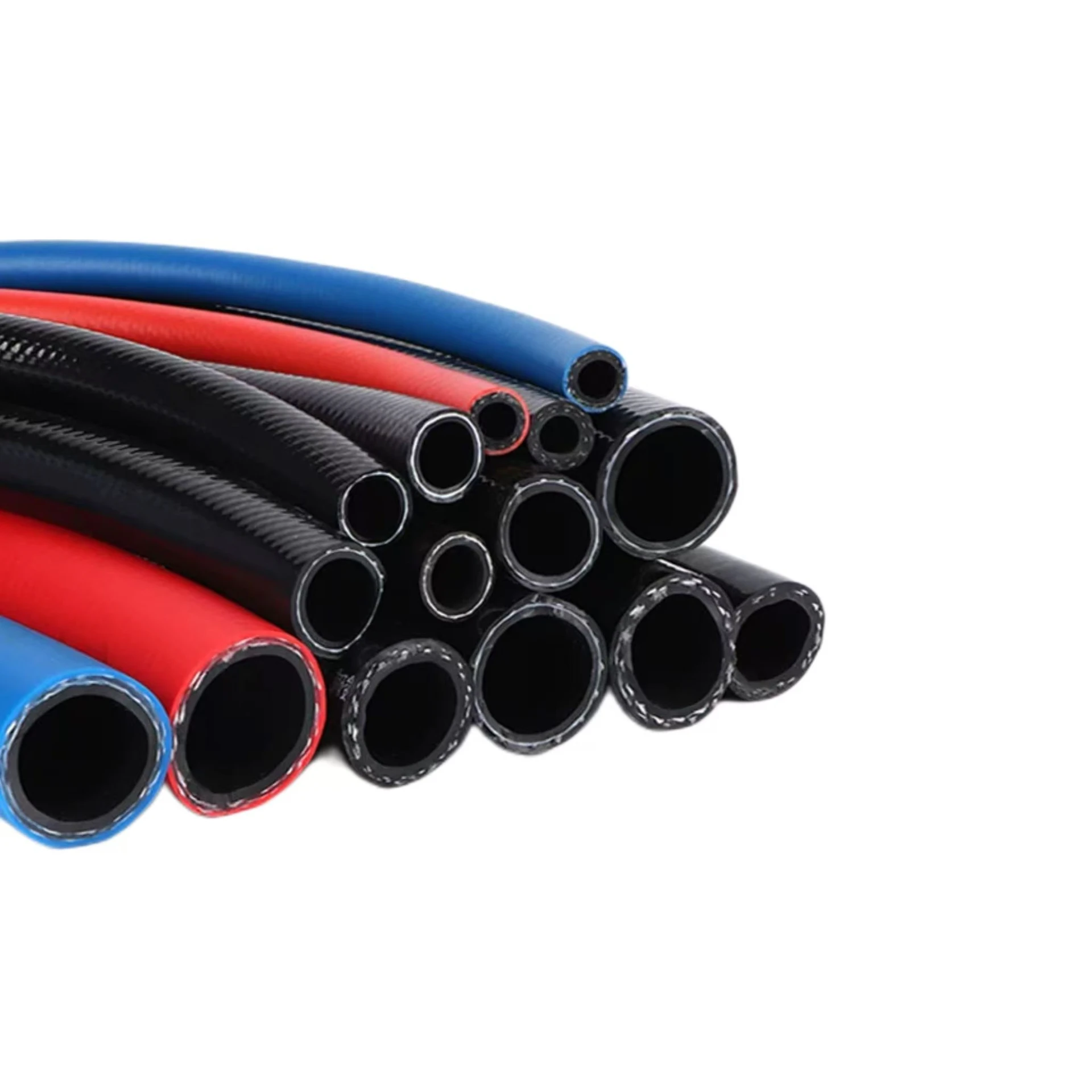
Marine environments are unforgiving—saltwater, UV rays, and mechanical wear are constant threats. Marine radiator hoses are typically constructed from reinforced synthetic rubber or silicone, sometimes layered with fabric braiding, to resist cracking, collapsing, and corrosion.
2. Pressure and Temperature Resistance
Engines produce fluctuating pressures and temperatures. The hose material must handle these variations smoothly. Most marine radiator hoses operate reliably in temperatures from -40°C to +120°C, with some specialty types rated even higher.
3. Flexibility and Vibration Dampening
Engines vibrate and shift slightly during operation. A quality hose must flex without kinking or losing integrity, serving also as a dampener to protect both radiator and engine fittings.
4. Chemical Resistance
Coolants often have additives to improve heat transfer and prevent corrosion. A marine radiator hose must resist chemical degradation from these fluids to maintain performance over time.
5. Compliance and Safety Standards
Certified hoses meet international standards such as ISO 7840 (for rubber hoses in marine applications) or SAE J200, ensuring predictable quality and preventing failures.
Mini takeaway: Picking the right marine radiator hose means balancing toughness with flexibility, and compliance with cost.
Typical Specifications of a Marine Radiator Hose
| Specification | Typical Value | Importance |
|---|---|---|
| Material | Reinforced NBR (Nitrile), Silicone | Chemical and heat resistance |
| Temperature Range | -40°C to +120°C (some up to +150°C) | Handles engine heat cycles |
| Pressure Rating | Up to 20 bar | Resists internal coolant pressure |
| Diameter Options | 10mm to 100mm+ | Fits various engine sizes |
| Certifications | ISO 7840, SAE J200 | Ensures safety and compliance |
Where Do Marine Radiator Hoses Come Into Play?
From commercial shipping to fishing boats and naval vessels, everywhere you see an engine cooled by a radiator, marine radiator hoses are doing their quiet job:
- Commercial Shipping: Bulk carriers vastly depend on reliable hoses to keep engines cooled on months-long voyages across fluctuating weather and seas.
- Fishing Fleets: Active boats operating in cold northern waters benefit from hoses that resist cracking and pressure spikes caused by rough seas.
- Leisure and Yachting Industry: High-end yachts demand durable, aesthetically clean hoses that don’t just function but also fit tight engine spaces.
- Military and Coast Guard: Engine reliability can be a literal lifesaver, so hoses in these sectors meet some of the toughest standards.
In remote island regions or areas prone to natural disasters, maintaining a steady engine temperature can make the difference between resupply deliveries or delays. Many vessels operating near humanitarian aid hubs in Southeast Asia rely on marine radiator hoses resilient enough to handle the stress.
Mini takeaway: Regardless of size or purpose, marine radiator hoses are integral to global maritime operations - practical, silent champions of cooling.
Advantages & Lasting Value of Quality Marine Radiator Hoses
A few benefits stick out in both tangible and intangible ways:
- Cost Efficiency: Durable hoses minimize downtime and repair costs, meaning less money wasted on replacements or engine damage.
- Environmental Responsibility: Better hoses reduce coolant leaks, helping vessels meet increasingly strict environmental codes.
- Operational Safety: Preventing overheating directly impacts crew safety and cargo integrity.
- Trust & Innovation: Investing in quality hoses builds operator confidence and enables adoption of newer engine models or fuels.
For engineers, it often feels rewarding to specify parts that work so reliably you almost forget about them — until a late-night engine alarm shows they’ve saved the day.
Peeking Ahead: Trends & Innovations in Marine Radiator Hose Design
Oddly enough, the “lowly” radiator hose is not immune to the green revolution sweeping through maritime tech. Some emerging trends include:
- Eco-friendly materials: Biodegradable and less toxic rubbers that don’t sacrifice durability.
- Smart sensing tech: Embedded sensors alerting crew to hose degradation before failure.
- Lighter-weight composites: Reducing engine bay weight improves overall vessel efficiency.
- Customization: 3D printed, bespoke hose fittings tailored to complex modern engine designs.
Marine equipment manufacturers investing in R&D for hoses often squeeze multiple advantages into each upgrade—performance, sustainability, and cost savings.
Common Challenges & Clever Solutions
One of the recurring headaches with marine radiator hoses is premature wear due to chemical exposure and thermal cycling. Sometimes, installers struggle to find the right fit or face supply chain hiccups, especially in remote ports.
Innovative solutions cropping up include modular hose assemblies combining rigid and flexible sections, and improved sealing technologies to reduce leak risks. Also, some vendors offer pre-tested, ready-to-install hose kits matching specific engine models, easing maintenance complexities.
For operators, staying on top of scheduled inspections and integrating hose condition monitoring technologies greatly reduces unexpected failures.
Comparison of Leading Marine Radiator Hose Vendors
| Brand | Material Quality | Certifications | Customization | Price Range |
|---|---|---|---|---|
| AquaFlex Marine | Premium Silicone Reinforced | ISO 7840, SAE J200 | Custom lengths/fittings | $$$ |
| Marinex Hoses | NBR Reinforced Rubber | ISO 7840 | Standard sizes only | $$ |
| SeaTherm Solutions | Composite Silicone + Kevlar | ISO, Military Specs | Fully customizable | $$$$ |
Frequently Asked Questions About Marine Radiator Hoses
Q1: How often should a marine radiator hose be inspected or replaced?
A: Regular visual inspections every 6 months are recommended, looking for cracks, leaks, or softness. Replacement intervals generally range from 3 to 5 years depending on operating conditions, but serious signs of wear warrant immediate changing to avoid overheating risks.
Q2: Can a marine radiator hose handle freshwater and saltwater cooling systems?
A: Yes, but hoses must be specifically rated for saltwater use due to corrosion risks. Many premium hoses feature internal liners and materials designed to resist saltwater degradation while delivering reliable cooling.
Q3: Are silicone hoses better than traditional rubber hoses for marine radiators?
A: Silicone hoses offer superior temperature resistance and longevity, making them ideal for high-performance or harsh environments. However, they tend to be pricier than rubber-based hoses, so choices depend on application and budget.
Q4: How can shipping companies source certified marine radiator hoses internationally?
A: Many vendors globally offer online catalogs with full certifications. Companies often rely on trusted distributors or original equipment manufacturer (OEM) partnerships to ensure compliant, quality products arrive on time for maintenance schedules.
Q5: Are there environmentally friendly marine radiator hose options available?
A: Yes, a few manufacturers are innovating with bio-based materials and low-impact manufacturing processes. These hoses aim to reduce environmental footprints while meeting demanding marine specifications.
In Conclusion: The Unsung Hero of Engine Cooling
In the complex world of maritime engineering, the marine radiator hose quietly stands as a crucial enabler of efficiency, safety, and durability. As vessels grow bigger and regulations tighter, investing in high-quality, compliant hoses translates to fewer headaches at sea, lower operating expenses, and peace of mind. Whether you’re a ship engineer, fleet manager, or boat owner, understanding the subtle but vital role of marine radiator hoses pays dividends in smoother voyages ahead.
Ready to discover cutting-edge hoses designed for the maritime challenges? Visit https://www.zsmartflexhose.com to explore options tailored to your vessel.
References
Z-Smartflex delivers superior-quality industrial hoses and fittings with global reliability, offering you durable solutions and exceptional service for all your fluid transfer needs.