Understanding Marine Hydraulic Hose: A Vital Yet Unsung Hero
If you’ve ever considered what keeps massive vessels, offshore rigs, and seaports running smoothly, the marine hydraulic hose is one quiet workhorse worth knowing about. This topic might sound niche, but its impact echoes across global shipping, energy industries, and, ultimately, humanitarian logistics worldwide. In essence, understanding marine hydraulic hose technology unlocks insights into reliability and safety critical to both economic lifelines and emergency responses on water.
Marine hydraulic hoses are more than flexible tubes; they’re vital components ensuring power transmission in harsh maritime environments. Think of them as lifelines that handle tremendous pressures, salt spray, and constant motion, all without skipping a beat. So, let’s dive in—preserving the flow of power literally powers global trade.
The Global Relevance of Marine Hydraulic Hose
Before getting into nuts and bolts, it helps to understand why marine hydraulic hoses matter at a global scale. The UN estimates that roughly 80-90% of world trade by volume moves via maritime routes. Each ship, whether an oil tanker or a cargo container ship, relies on hydraulic systems regulated through robust hoses.
According to ISO 1825 standards, marine hydraulic hoses must withstand pressures up to 400 bar and temperatures ranging from -40°C to +120°C, while resisting seawater, oils, and abrasion. These exacting conditions present challenges because a hose failure at sea or on an offshore platform can cause expensive downtime, safety risks, or even environmental disasters.
In short: ensuring hydraulic systems are resilient reduces the risk of catastrophic failure, bolsters efficiency, and supports global supply chains. And with expanding offshore wind farms and deepwater drilling, the marine hydraulics sector is busier than ever—the demand just quietly spiraling upward.
So, What Exactly Is a Marine Hydraulic Hose?
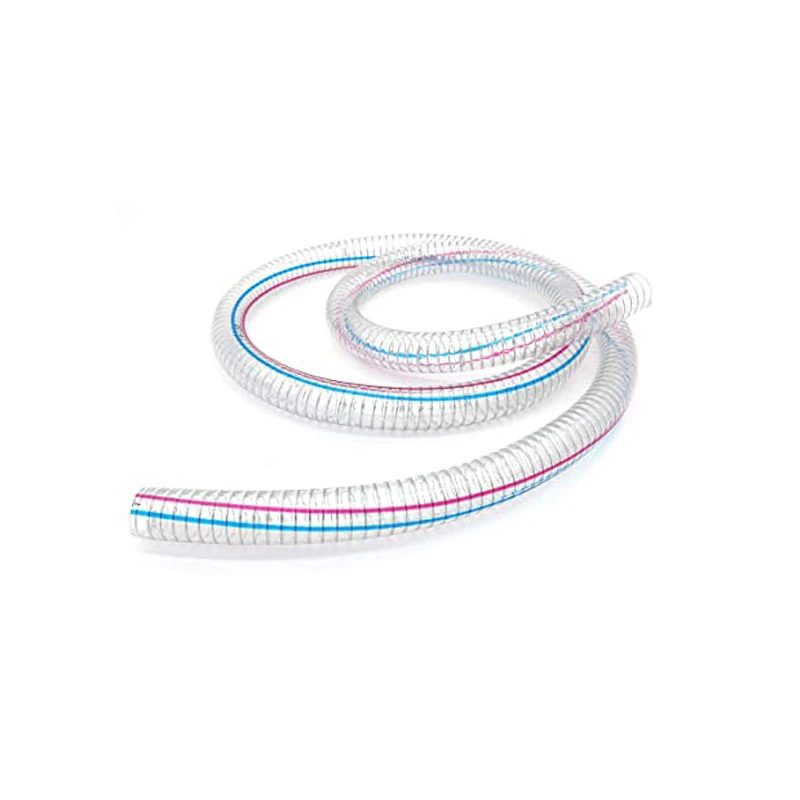
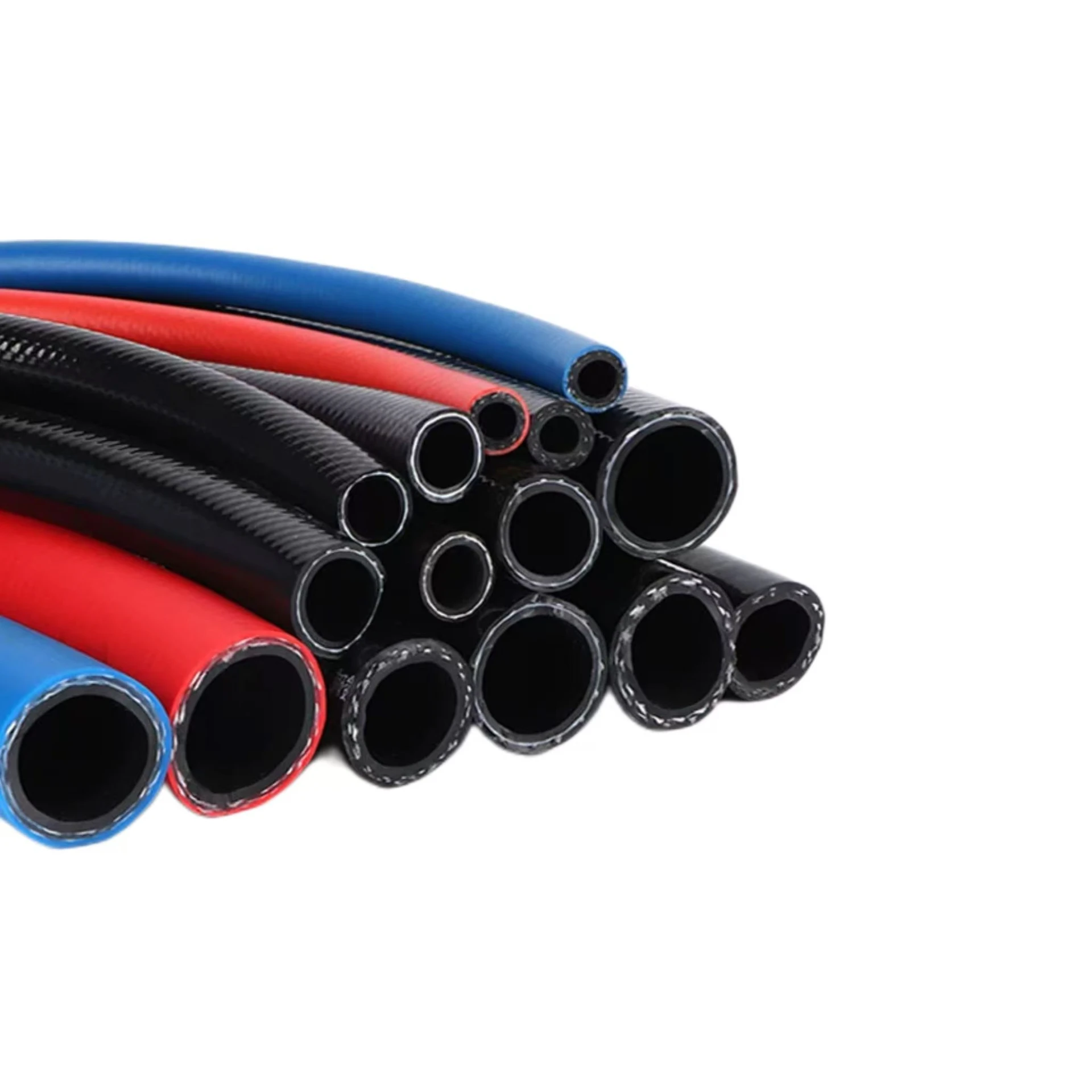
Put simply: a marine hydraulic hose is a reinforced, flexible conduit specifically designed to convey hydraulic fluids under pressure in marine settings. Unlike ordinary hoses, these are crafted with multiple plies of synthetic rubber, braided or spiral-reinforced steel wire, and tailored covers to resist corrosion from saltwater and oils.
This specialized hose connects hydraulic components such as pumps, valves, and cylinders which together power critical functions—from steering mechanisms on ships to crane operations on offshore rigs. And beyond industrial uses, these hoses have humanitarian applications—for example, in offshore water-pumping systems supplying relief efforts during natural disasters or offshore platforms providing potable water.
Mini takeaway
- Marine hydraulic hoses are tailored for extreme conditions.
- They connect key machinery in maritime and offshore industries.
- Their reliability underpins safety and operational continuity worldwide.
Core Components and Factors That Define Marine Hydraulic Hoses
Durability Against Corrosive Environments
One cannot talk marine applications without discussing corrosion. Saltwater is notoriously unforgiving. Marine hydraulic hoses use synthetic rubbers like nitrile or neoprene with added UV and ozone resistance to lengthen service life.
Pressure and Temperature Ratings
Hydraulic systems can operate at thousands of PSI. So the hose’s steel wire reinforcement layer is crucial. The multilayer design provides the necessary strength, flex, and safety margin.
Flexibility and Bend Radius
Space on vessels and rigs is tight. A hose that can snake around tight corners without kinking or cracking makes a big difference to installation and maintenance teams.
Compatibility with Fluids
Fluids can vary from hydraulic oils to synthetic esters. Hoses are tested to ensure no swelling or degradation even after prolonged contact.
Standards Compliance
ISO, SAE, and EN certifications ensure the hoses meet international quality expectations plus marine-specific requirements.
Mini takeaway
- Multiple layers and material choice ensure strength and longevity.
- Flexibility and chemical compatibility make deployment practical.
- Adherence to standards guarantees safety for end users.
Marine Hydraulic Hose in Real-World Settings
The sheer diversity of marine applications makes these hoses fascinating. Picture a massive container ship navigating the Panama Canal, its steering governed by hydraulic systems whose lifeblood is the hose itself. Or an offshore wind turbine installation vessel adjusting blade pitch using hydraulic actuators connected through these hoses.
Beyond commercial usage, marine hydraulic hose kits are often deployed during offshore disaster relief, helping pump seawater for desalination, firefighting, or emergency fuel transfer. Remote islands and oil rigs with limited accessibility also benefit from high-performance hoses that reduce maintenance visits.
| Specification | Detail |
|---|---|
| Operating Pressure | Up to 400 bar (5800 psi) |
| Working Temperature | -40°C to +120°C (-40°F to 248°F) |
| Material | Nitrile rubber with steel wire reinforcement |
| Outer Cover | Neoprene/EPDM, UV & saltwater resistant |
| Bend Radius | Minimum 4x hose diameter |
| Standards | ISO 1825, SAE 100R3, EN 853 |
Advantages and Long-Term Value of Marine Hydraulic Hoses
Besides the obvious technical merits, marine hydraulic hoses embody long-term value that often goes uncelebrated. Reduced downtime means ships and rigs stay operational, which translates into economic efficiency. For fleet operators, fewer replacements equal substantial cost savings and fewer environmental hazards from waste disposal.
From a safety standpoint, reliable hoses prevent leaks that could cause dangerous spills or hydraulic system failures, ensuring crew and environmental safety. There’s also a subtle, emotional side: knowing your gear can handle unforgiving seas gives operators tremendous peace of mind—no small thing when you’re hundreds of miles offshore.
Looking Ahead: Trends and Innovation in Marine Hydraulic Hose Technology
The industry’s quietly evolving. Advanced polymers and composites promise lighter, even more flexible hoses that don’t sacrifice strength. Some manufacturers are experimenting with smart hoses featuring embedded sensors that alert crews to wear, pressure variations, or imminent failure—kind of like fitness trackers but for hoses.
Sustainability gets a look-in, too, with materials that reduce chemical waste and manufacturing carbon footprints. Digital transformations mean customized designs can be tested virtually before production. With green energy offshore projects booming, expect hoses optimized to work alongside electric-hydraulic hybrid systems.
Challenges and How the Industry Is Tackling Them
Challenges persist—material degradation, especially from microbial growth or ultra-violet exposure, can shorten service life. Also, installation errors or poor maintenance affect hose performance more than many realize.
Experts recommend rigorous testing, clear labeling, staff training, and adopting predictive maintenance using IoT sensors. Better supply chain integration also helps avoid counterfeit products—a real but often overlooked issue in maritime sectors.
Vendor Comparison: Top Marine Hydraulic Hose Suppliers
| Supplier | Product Range | Key Features | Lead Times | Warranty |
|---|---|---|---|---|
| SmartFlex Hose Co. | Standard & Custom hoses | ISO certified, corrosion resistant | 2-3 weeks | 12 months |
| OceanLine Solutions | High-pressure & specialty hoses | Embedded sensors option available | 4-6 weeks | 18 months |
| Maritime Flex Tech | Eco-friendly hoses & offshore kits | Sustainably sourced materials | 3-5 weeks | 15 months |
FAQs About Marine Hydraulic Hose
Q1: How do I know if a marine hydraulic hose is compatible with my equipment?
Always check the hose specifications for pressure rating, temperature range, and fluid compatibility. Consult your equipment’s manual and, where possible, use hoses certified by reputable standards like ISO 1825.
Q2: How often should marine hydraulic hoses be inspected or replaced?
Regular inspections are a must; many operators check quarterly for wear, leaks, or cracks. Replacement intervals vary—usually between 3 to 5 years—but environmental conditions and usage dictate adjustments.
Q3: Are custom marine hydraulic hoses expensive compared to standard ones?
Custom hoses may carry a premium due to specialized materials or dimensions, but they often provide better performance and longer lifespan, which can save money in the long run.
Q4: Can marine hydraulic hoses be recycled or disposed of environmentally?
Some newer hoses use recyclable synthetics, but many require proper hazardous waste protocols due to embedded metal and synthetic compounds. Consult manufacturer guidelines and local disposal regulations.
Wrapping It Up: The Long-Term Benefits of Marine Hydraulic Hose
Marine hydraulic hoses might sound like an obscure detail, but they literally keep the wheels (or propellers) turning in maritime industries. Their durability and flexibility ensure safety, operational efficiency, and environmental protection across complex global supply chains.
Thinking ahead, innovations in smart materials and eco-friendly manufacturing will only deepen their importance. For anyone working at sea or in port operations, investing in quality hydraulic hose technology is a sound, forward-looking decision.
For a deeper dive on top-tier marine hydraulic hoses, visit our website: https://www.zsmartflexhose.com
References
Z-Smartflex delivers superior-quality industrial hoses and fittings with global reliability, offering you durable solutions and exceptional service for all your fluid transfer needs.