



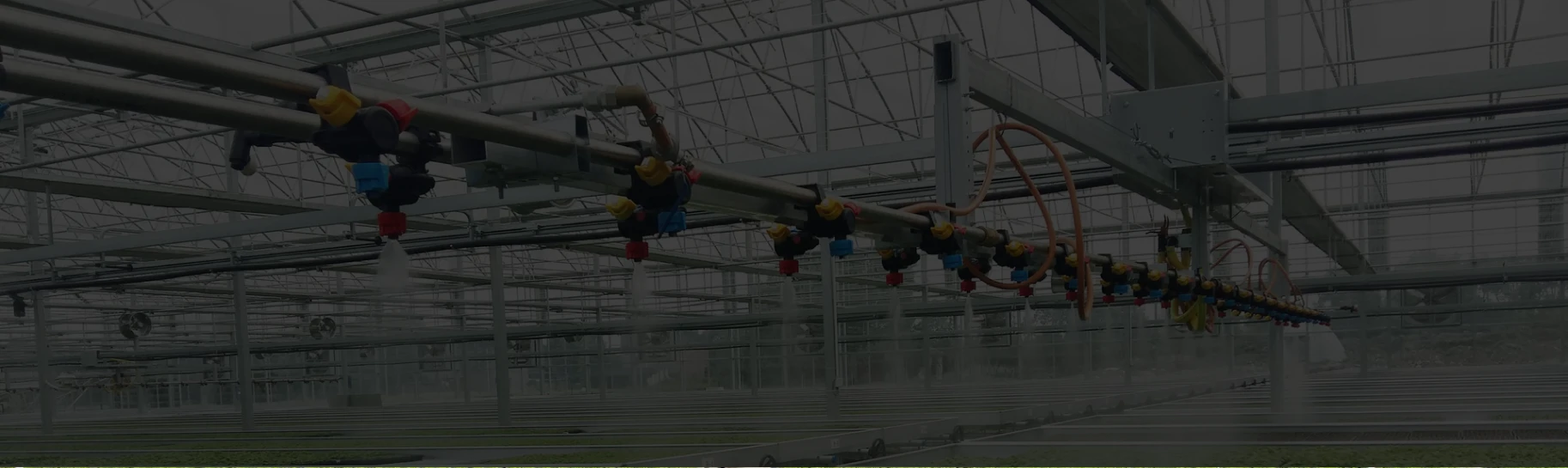
Industrial Rubber Hose Solutions | Durable & Flexible Fluid Transfer
Why the Industrial Rubber Hose Is a Silent Backbone of Global Industry
If you’ve ever wondered how heavy industry, agriculture, or even disaster relief manages to move liquids and gases efficiently, here’s an unsung hero: the industrial rubber hose. These flexible conduits are more than simple tubes — they carry the pulse of modern infrastructure worldwide. Whether it’s fueling machinery in a remote oil field or delivering water during humanitarian emergencies, industrial rubber hoses make it possible. Globally, the demand for flexible, durable solutions to transfer fluids keeps rising. According to the International Standards Organization (ISO 1827), the global rubber hose market grows steadily, driven largely by industrial sectors in Asia-Pacific and North America. This demand reflects broader industrial resilience, especially when systems need to withstand harsh environments without frequent replacement or risk of failure. Mini takeaway: Understanding industrial rubber hoses is not just about a product; it’s about enabling industries and communities to work smoothly and safely on a global scale.What Exactly Is an Industrial Rubber Hose?
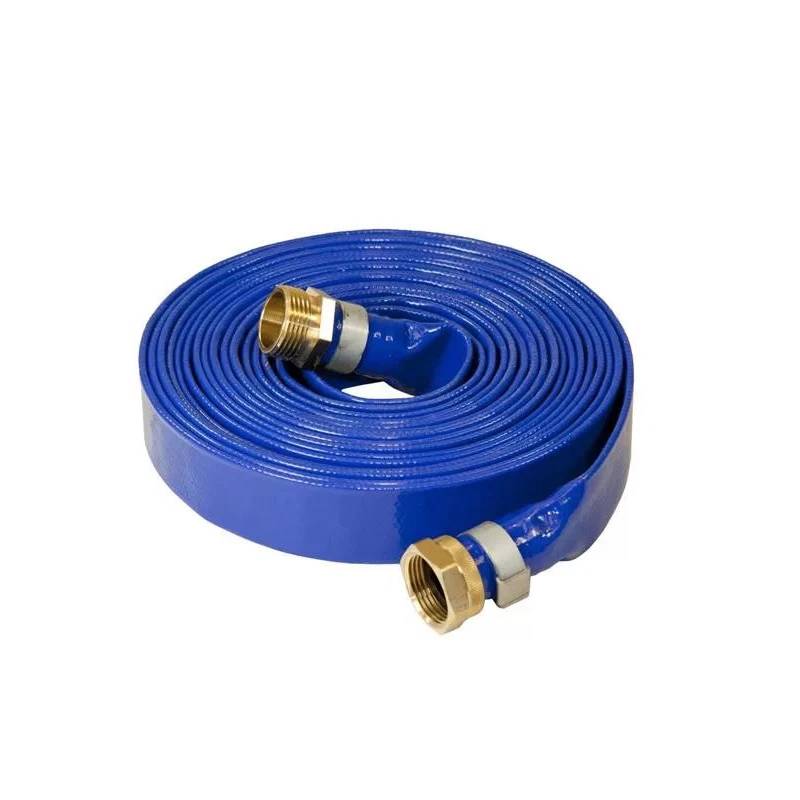
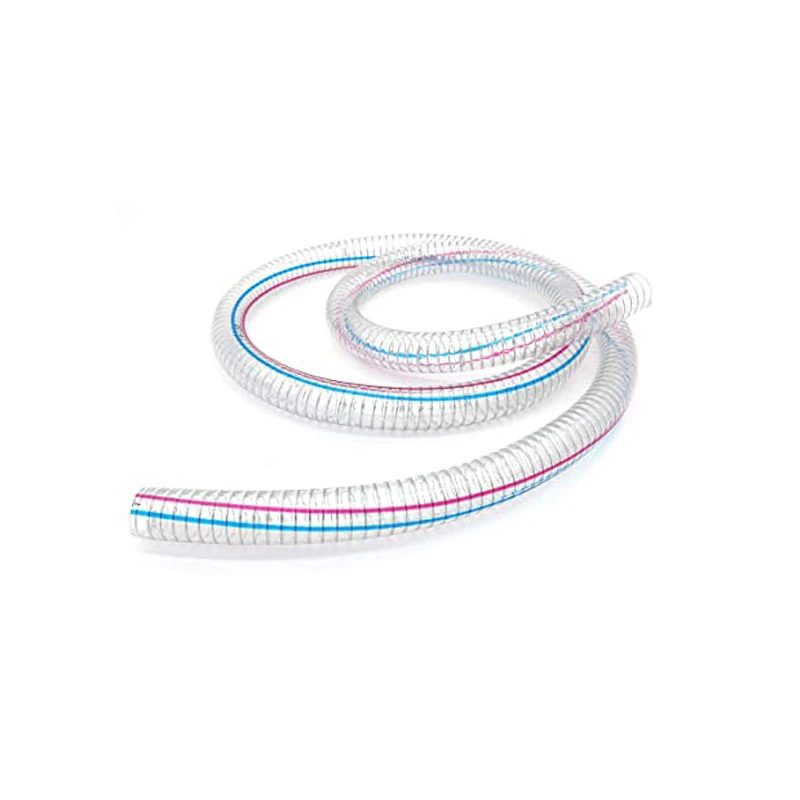
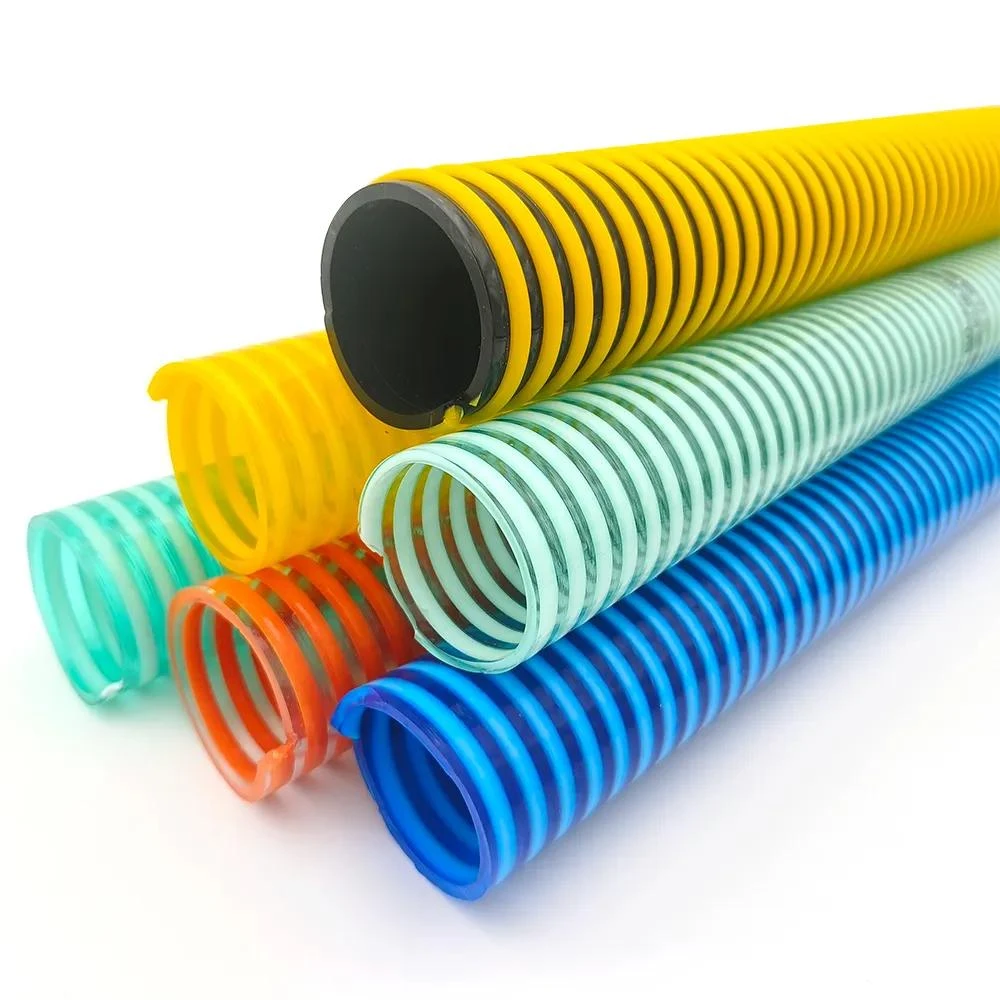
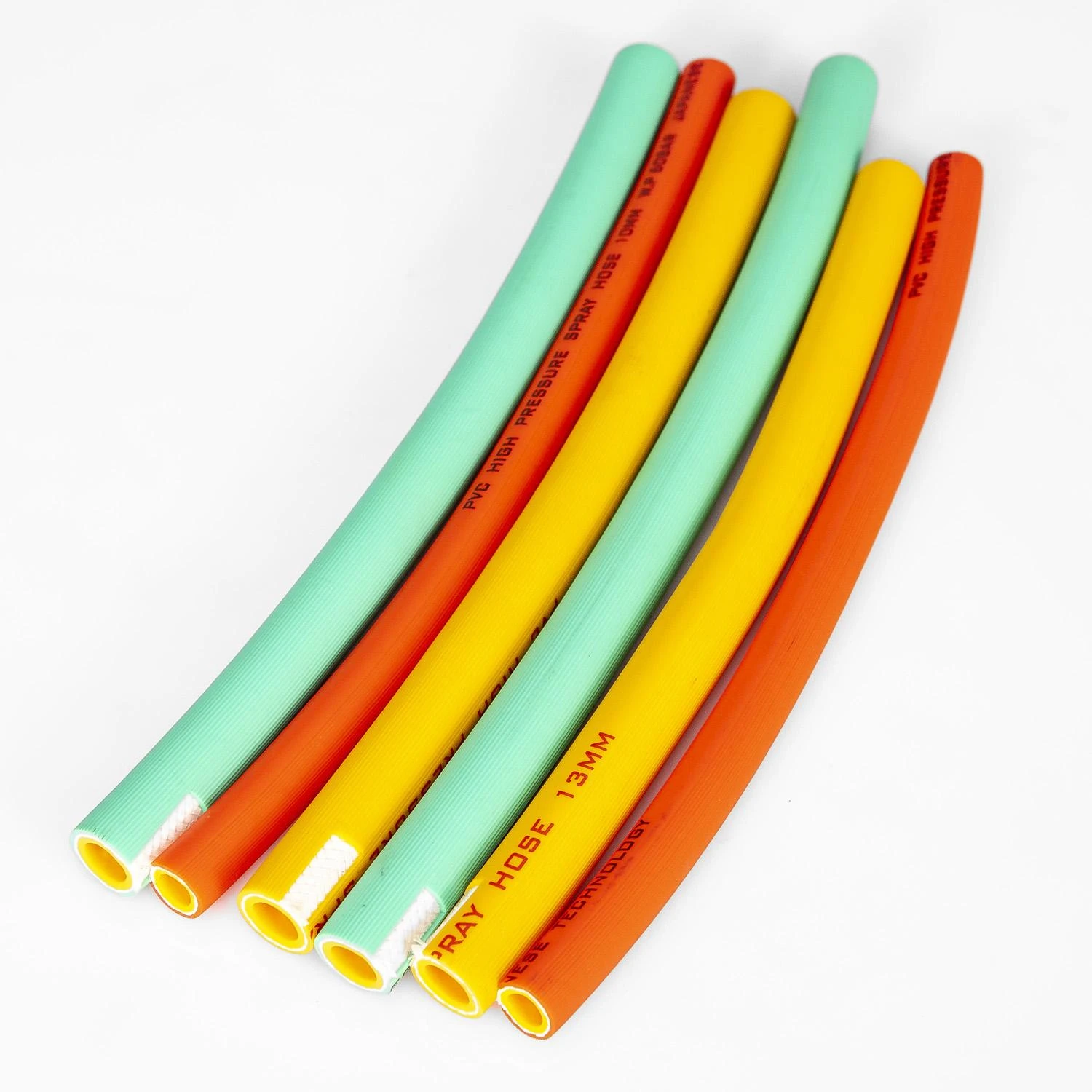
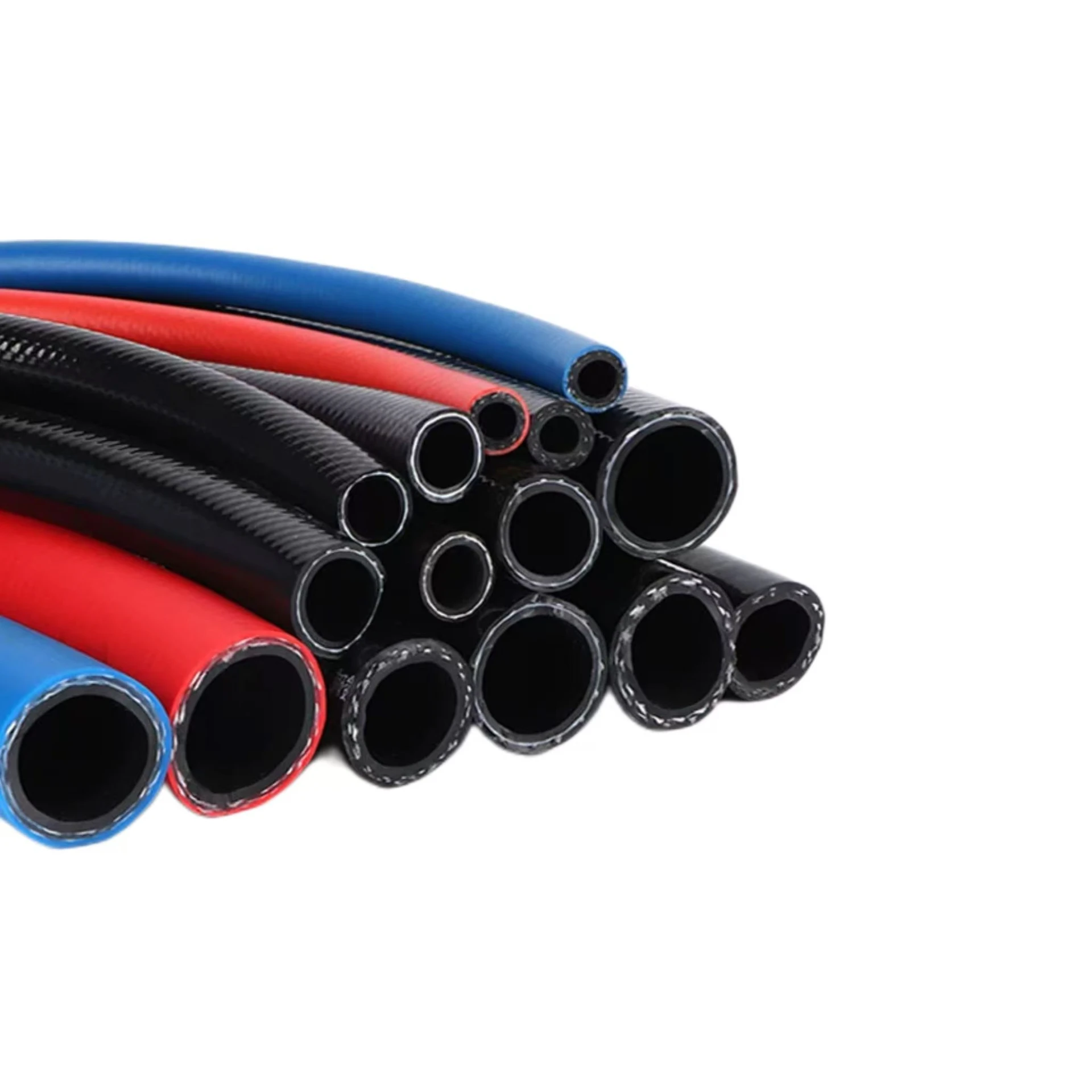
In the simplest terms, an industrial rubber hose is a flexible tube made primarily from layers of synthetic or natural rubber, sometimes reinforced with wire or fabric, designed to transport liquids, gases, or solids under pressure. Unlike garden hoses or household versions, these toughened variants can handle high temperatures, chemical exposure, and extreme mechanical stress. Beyond pipes and valves, these hoses bring versatility to modern manufacturing, oil and gas extraction, chemical processing, and even disaster relief logistics — delivering essential fluids where rigid, brittle pipes simply can’t cope. You might think of them as the arteries in a living industrial organism. Mini takeaway: The industrial rubber hose is a specialized product tailored to demanding environments, filling important niches traditional piping cannot.Core Components That Dictate Performance
Durability
Durability is king. The layered rubber compounds resist abrasion, cracking, and degradation—especially when exposed to oils, fuels, or chemicals. Reinforced hose designs add tensile strength to prevent kinks or ruptures.Pressure and Temperature Ratings
These hoses can withstand highly variable pressures — anywhere from low vacuum to several hundred PSI. Temperature-wise, materials range from heat-resistant nitrile rubber for hot fluids to EPDM for steam applications, often spanning -40°C to +120°C.Flexibility & Scalability
The inherent flexibility means hoses can snake around equipment or obstacles, unlike rigid steel pipes. Plus, they come in varied diameters and lengths, so you can scale solutions depending on the project.Cost Efficiency
While not the cheapest component upfront, industrial rubber hoses often save money by reducing downtime and maintenance. Their ease of replacement compared to fixed piping is a practical boon in fast-paced environments.Safety & Compliance
Many hoses meet strict safety standards (like SAE J517 or ISO 3821), critical when handling hazardous materials. Certifications ensure reliability and worker safety on-site. Mini takeaway: Each hose element — from material choice to pressure rating — must be carefully matched to its specific mission, or the whole system’s at risk.Where Industrial Rubber Hoses Make a Difference Globally
Industries worldwide rely on these hoses in fascinating ways. Take the oil sands of Canada: transporting abrasive slurry requires hoses with reinforced wire braiding to prevent early failure. Meanwhile, in Africa’s drought-prone regions, NGOs use hoses to pump and distribute clean water efficiently during relief efforts, sometimes over rough terrain. In Southeast Asia, plantation agriculture uses flexible hoses for chemical spraying and irrigation, improving yield with precise application. European chemical plants demand hoses that resist corrosive fluids under extreme pressure, often customized via negotiated contracts. Even remote mining operations in Australia find that robust hoses reduce frequent replacements, saving logistical headaches and safety risks. Mini takeaway: The versatility and dependability of industrial rubber hoses mean they’re critical infrastructure in many corners of the global economy — from remote fields to massive factories.Long-Term Benefits: More Than Meets the Eye
It’s tempting to think of hoses as simple consumables, but they embody cost savings, sustainability, and safety over their lifespans. Properly specified hoses lower emergency shutdowns due to failures, reducing environmental spills and worker injury risks — a clear emotional and financial win. Durable hoses contribute indirectly to a company’s social license to operate by preventing accidents and downtime. They’re also lighter and often recyclable, which helps industries leave a smaller environmental footprint. Somewhere in that flexibility and reliability lies a story of innovation and trust between manufacturers and operators. Mini takeaway: Industrial rubber hoses deliver measurable ROI while bolstering safety, environmental sustainability, and peace of mind.What’s Next? Future Trends in Industrial Rubber Hoses
Innovation isn’t sleeping here. Expect next-gen hoses made from bio-based rubbers to reduce petrochemical dependency. Digital integration is emerging too — imagine “smart hoses” embedded with sensors that monitor pressure, temperature, or wear in real time, sending alerts before breakdowns. The rise of electric and hydrogen fuel industries demands hoses resistant to new fluids and operating conditions, prompting materials science breakthroughs. Meanwhile, automated manufacturing techniques refine quality and cut costs. Environmental policy pressures are steering manufacturers toward eco-certifications and sustainable production, nudging the whole supply chain toward greener horizons. Mini takeaway: Industrial rubber hose technology is evolving rapidly — smarter, greener, and better tailored to future industrial needs.Common Challenges and How Industry Experts Solve Them
Not everything is sunshine. Hoses can degrade unexpectedly when exposed to incompatible chemicals or UV radiation. Installation errors — like excessive bending or twisting — cause premature failures. And sometimes supply chain bottlenecks mean emergency replacements aren’t readily available. To counter these, engineers emphasize thorough material compatibility testing, user training, and adopting predictive maintenance using IoT sensors. Manufacturers increasingly offer custom solutions and rapid delivery to minimize downtimes. Even in tough scenarios, industry standards and expert guidance help ensure hoses keep performing reliably. Mini takeaway: Awareness of limitations and proactive solutions are keys to getting the most out of industrial rubber hoses.Product Specifications at a Glance
| Specification | Typical Values | Notes |
|---|---|---|
| Inner Diameter | 6 mm – 150 mm | Varies by application |
| Working Pressure | Up to 3000 psi (210 bar) | Wire or fabric reinforced |
| Temperature Range | -40°C to +120°C | Material-dependent |
| Tensile Strength | > 15 MPa | Reinforcement improves this |
| Standard Compliance | ISO 1827, SAE J517 | Industry recognized |
Vendor Comparison: Choosing the Right Supplier
| Feature | ZSmart Flex Hose | Global Hose Inc. | Industrial Hoses Ltd. |
|---|---|---|---|
| Customization Options | High (custom lengths, materials) | Medium | Low |
| Lead Times | 1-2 weeks | 3-4 weeks | 4+ weeks |
| Global Shipping | Yes, with tracking | Limited | No |
| Warranty | 2 years standard | 1 year | Varies |
| Price Competitiveness | Mid-range | High-end | Budget |
Frequently Asked Questions About Industrial Rubber Hose
- What factors should I consider when choosing an industrial rubber hose?
- Consider the intended fluid or gas type, pressure and temperature requirements, hose length and diameter, and exposure to external factors like UV or chemicals. Matching specifications to your application prevents premature failures.
- How often should industrial rubber hoses be inspected or replaced?
- Regular visual inspections are recommended monthly for wear or leaks. Replacement intervals depend on usage but generally every 2-5 years or sooner if damage appears. Predictive maintenance using sensors extends safe operation.
- Can these hoses be customized for unique industrial applications?
- Absolutely. Many manufacturers, including ZSmart Flex Hose, offer custom lengths, reinforcement layers, and rubber compounds to suit specific chemical or mechanical environments.
- Are industrial rubber hoses environmentally friendly?
- Many hoses today incorporate recyclable materials and bio-based rubbers, reducing environmental impact. Sustainable manufacturing practices are gaining traction industry-wide to meet regulatory demands and corporate social responsibility.
- How do I ensure safe installation of industrial rubber hoses?
- Proper installation involves avoiding excessive bends or kinks, securing hoses firmly, and using appropriate fittings. Consulting with supplier guidelines and trained technicians helps maintain hose integrity and safety.
A Final Word: Why Investing in Quality Industrial Rubber Hoses Pays Off
It might seem like a small thing, but the industrial rubber hose quietly underpins countless processes critical to economic growth and human wellbeing. Its flexibility, resilience, and adaptability keep industries humming and help communities overcome logistical challenges, especially when time and safety are critical. After all, would you rather wrestle with rigid pipes or rely on a hose engineered for the unpredictabilities of real life? Exactly. To discover how you can optimize your fluid transfer needs with quality industrial rubber hoses, visit us today: https://www.zsmartflexhose.com. ---References
Z-Smartflex delivers superior-quality industrial hoses and fittings with global reliability, offering you durable solutions and exceptional service for all your fluid transfer needs.



Copyright © 2026 HEBEI ZHOUCONG IMP AND EXP CO.,LTD. All Rights Reserved. Sitemap | Privacy Policy | Top Blog


