Making Sense of the Industrial Exhaust Hose: Why It Matters Worldwide
At first glance, an industrial exhaust hose might seem like just another piece of factory equipment — a bland, utilitarian tube wrestling with smoke and fumes. But peel back the layers, and it’s clear that these hoses play a surprisingly pivotal role in global industry, environmental safety, and even public health. Every factory emitting gases or dust depends on exhaust hoses to funnel hazardous substances safely away, keeping workers protected and regulations met. And with increasing industrialization worldwide, understanding these hoses’ nuances is more critical than ever.
They’re not just “hoses”; they are crucial connectors in complex systems tasked with preventing pollution, managing toxic fumes, and even preserving infrastructure. Through this article, we’ll explore what an industrial exhaust hose really is, how it fits into the bigger picture, plus its advantages, challenges, and where it’s headed next.
The Global Context: Why Industrial Exhaust Hose Solutions Are Vital
Globally, industrial activities contribute significantly to air pollution. According to the World Health Organization, air pollution causes millions of premature deaths annually. Regulations like ISO 15001 and standards across regions—especially in Europe, North America, and increasingly Asia—demand robust exhaust and ventilation systems. Industrial exhaust hoses are frontline components ensuring these rules translate into meaningful workplace and environmental safety.
Consider the rapid industrial growth in Southeast Asia and Africa, where manufacturing hubs mushroom seemingly overnight. These areas need exhaust solutions that can handle intense heat, chemical vapors, and dusty particulates. Yet the challenge isn’t just volume or strength—it's also about flexibility, durability, and cost-efficiency in sometimes harsh environments.
Frankly, poorly designed or subpar exhaust hoses contribute to leaks, downtime, and dangerous emissions—which is why picking the right one can’t be an afterthought.
So, What Exactly Is an Industrial Exhaust Hose?
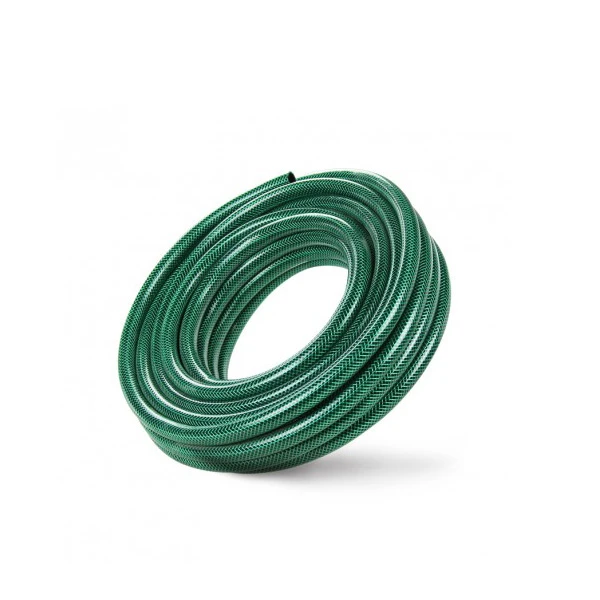
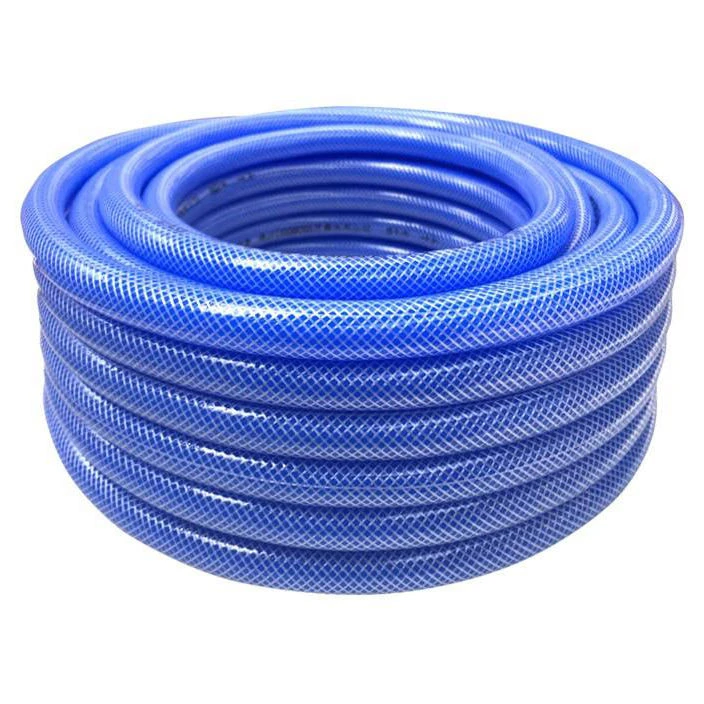
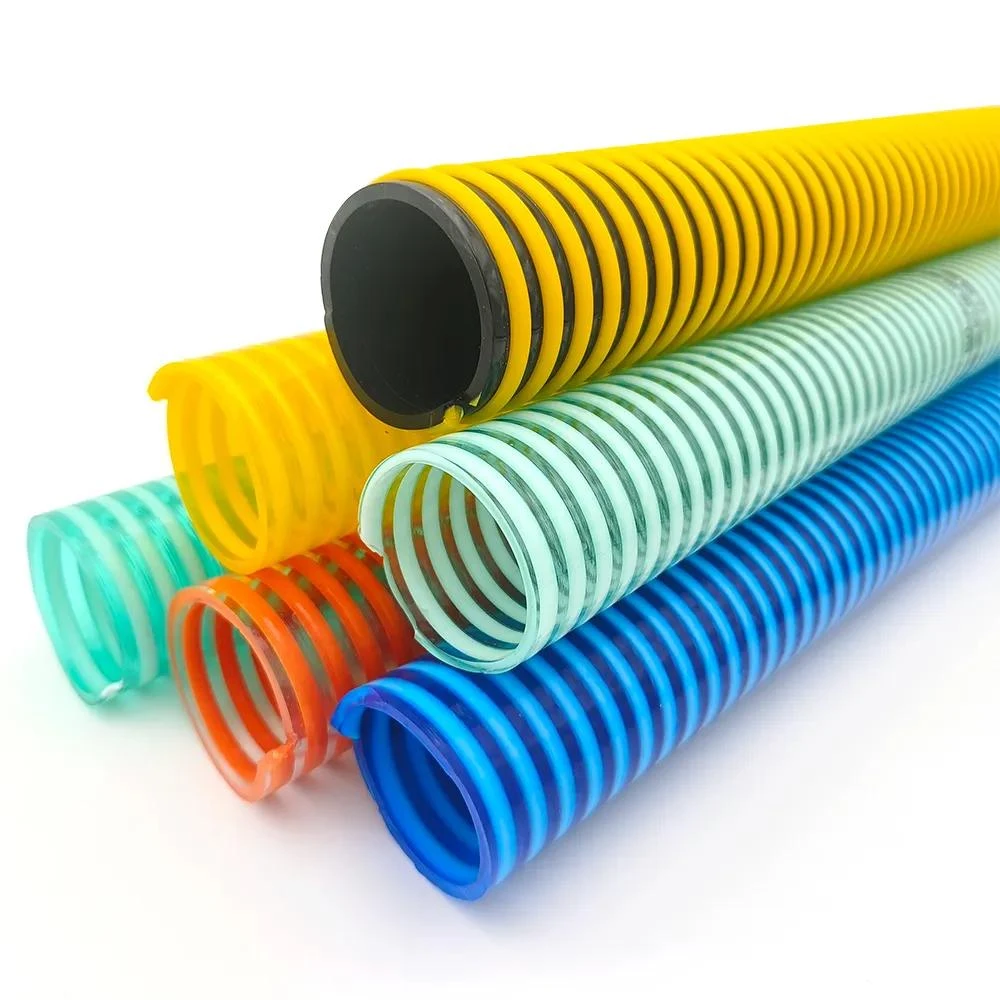
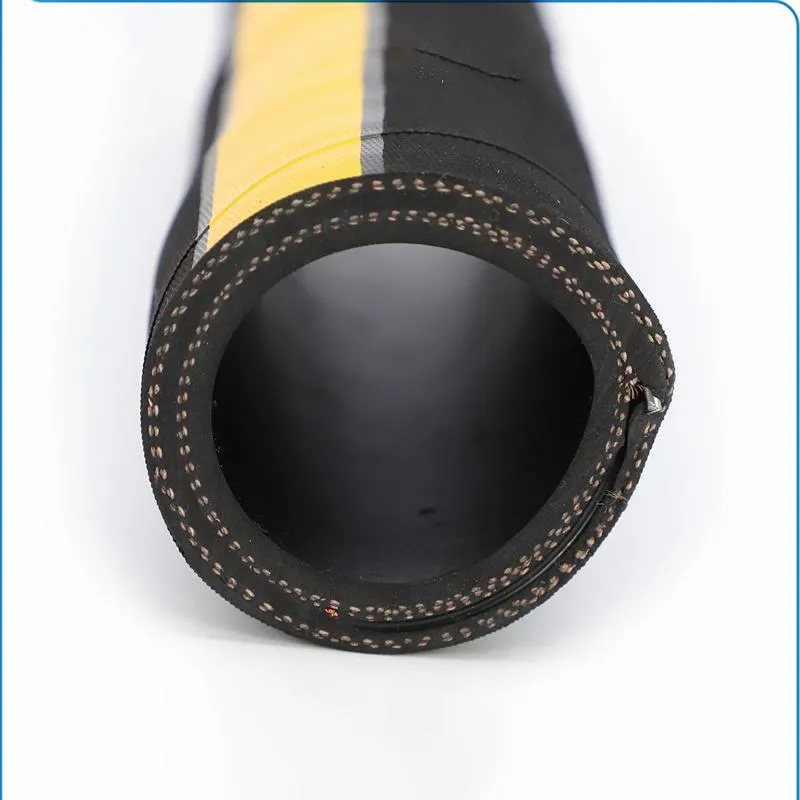
Simply put, an industrial exhaust hose is a specialized flexible duct designed to transport exhaust gases, fumes, and airborne particulates away from industrial equipment or facilities to safer locations or filtration units. Unlike garden hoses or typical piping, these hoses need to resist high temperatures, chemical corrosion, abrasion, and sometimes even mechanical impact.
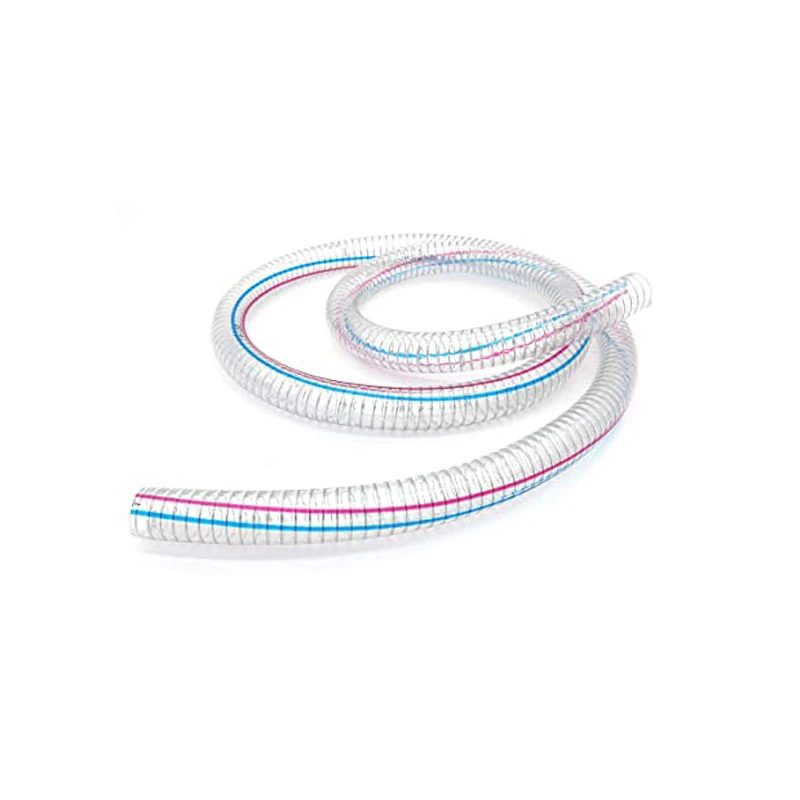
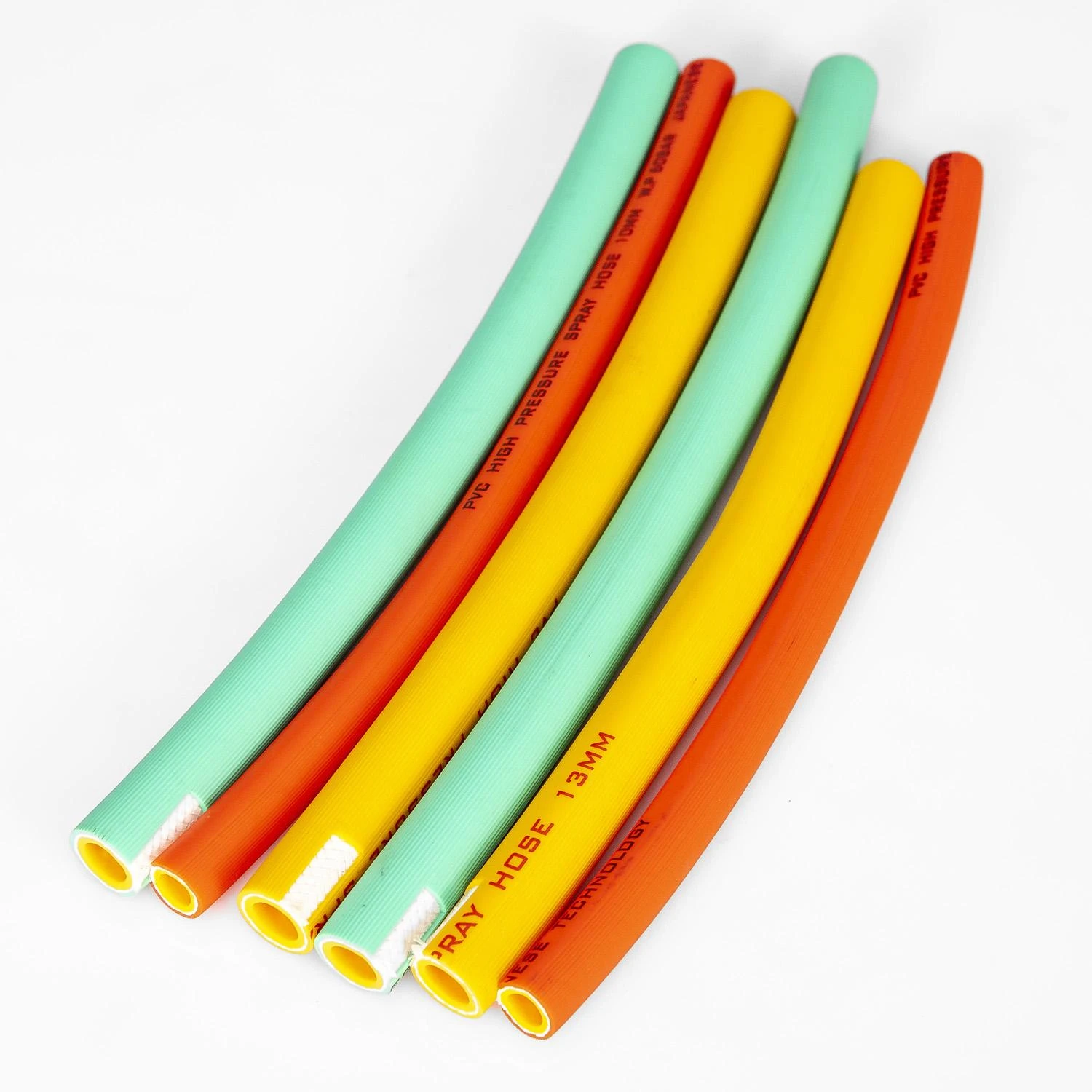
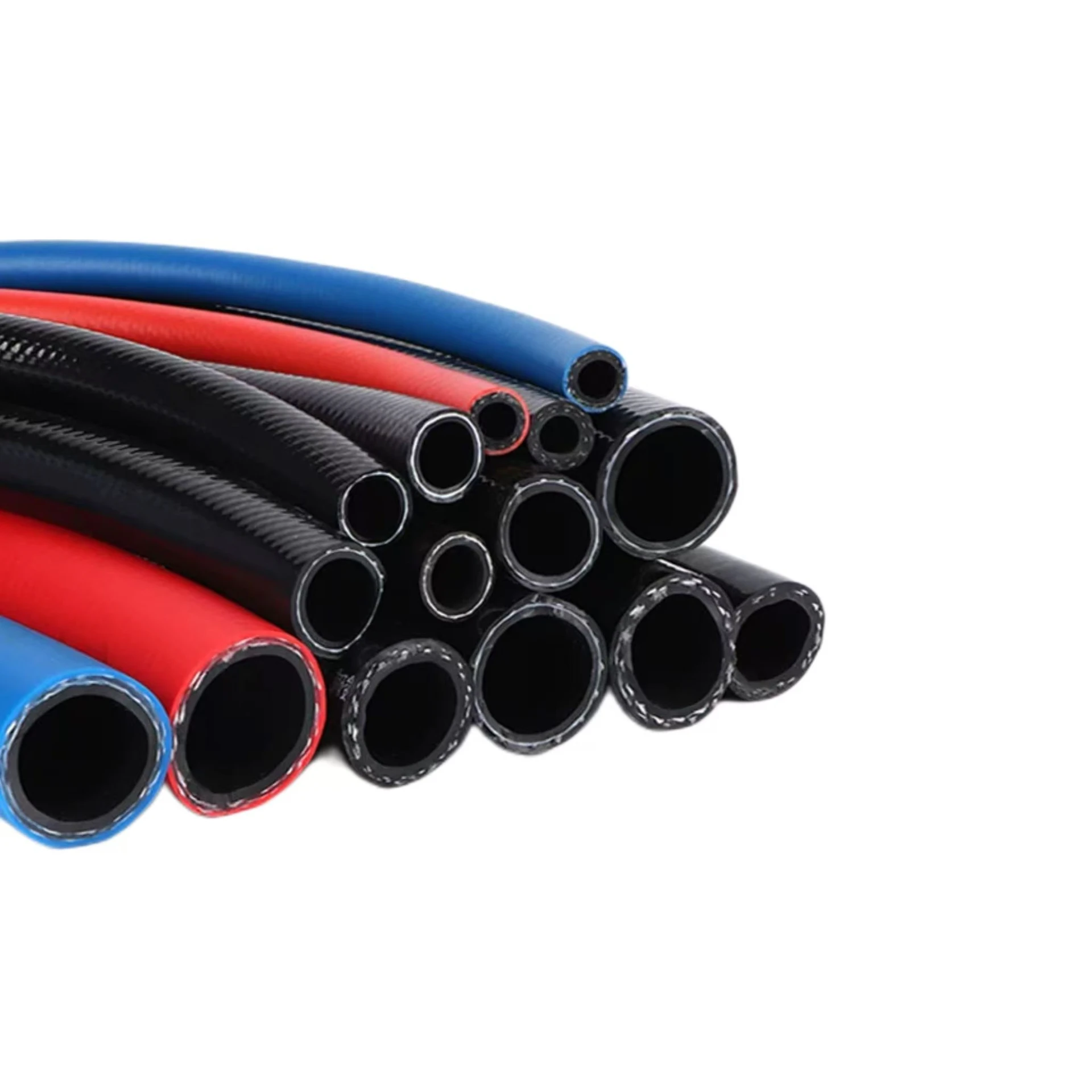
They are commonly made with reinforced layers — think metal wires or fabric mesh inside flexible rubber or plastic sheaths — to balance strength with flexibility. This versatility makes them staples in factories dealing with welding fumes, paint spray booths, chemical plants, or even emergency ventilation in tunnels.
Modern industries rely heavily on these hoses to maintain airtight systems that protect both workers and the environment.
Key Features Explained
- Temperature Resistance: Industrial exhaust hoses often withstand ranges from -40°C to sometimes over 260°C, essential to handle hot emissions without degradation.
- Chemical Compatibility: Some exhaust gases are corrosive. Special liners or coatings prevent acid damage or degradation.
- Flexibility & Length: Must bend easily around machinery or walls without kinking or collapsing, which would reduce airflow.
- Durability & Abrasion Resistance: Long service life with minimal maintenance reduces costly replacements or downtime.
Some hoses even come with antistatic properties or explosion-proof ratings for hazardous environments, further widening their usability.
Practical Specifications of a Typical Industrial Exhaust Hose
| Specification | Typical Value |
|---|---|
| Inner Diameter | 50 mm – 300 mm |
| Temperature Range | -40°C to +260°C |
| Material | Reinforced rubber with stainless-steel spiral wire |
| Max Pressure | Up to 1500 Pa (negative pressure) |
| Length | Customizable (5 meters standard segments) |
| Special Features | Antistatic, flame retardant options available |
Mini takeaway: If you ever doubt the “simple hose” label, remember it’s engineered to juggle harsh chemicals, heat, and physical stress all day long.
Where in the World are Industrial Exhaust Hoses Most Needed?
They appear everywhere: welding shops in Germany, painting workshops in Japan, mining operations in South Africa, and petrochemical plants in the Middle East. Even disaster relief teams installing temporary industrial kitchens or filtration units count on these to keep air breathable amid chaos.
Take the automotive manufacturing hubs in Detroit or the sprawling industrial parks across China. Large assembly lines generate fumes requiring constant extraction to maintain air quality and comply with OSHA or equivalent standards.
In fact, many NGOs deploying mobile medical tents rely on robust exhaust hoses to safely vent anesthesia gases — underscoring how critical these hoses are beyond just big industry. Oddly enough, a component so humble can literally save lives.
How Do Top Vendors Stack Up? A Quick Comparison
| Vendor | Temperature Range | Materials | Customization | Key Strength |
|---|---|---|---|---|
| ZSmart Flex Hose | -40°C to +260°C | Reinforced rubber, stainless steel spiral | Fully customizable lengths & diameters | Exceptional durability & flexibility |
| ExhaustCo | -30°C to +220°C | Polyurethane & reinforced fabric | Standard lengths, limited diameters | Lightweight hoses for easy handling |
| FlexiVent Solutions | -50°C to +200°C | Silicone reinforced with metal coil | Custom colors and diameters | Good chemical resistance |
Each provider has its sweet spot. But if you ask me, the best choice blends material robustness, temperature range, and flexible customization — which is precisely why many lean toward vendors like ZSmart Flex Hose.
Why Investing in Quality Industrial Exhaust Hoses Pays Off
Here’s the crux: A well-chosen exhaust hose pays dividends beyond just moving dirty air. It saves money by reducing downtime (less frequent replacements!), ensures worker health and safety, and importantly, helps companies stay on the right side of increasingly strict environmental laws.
The tangible benefits roll down to operational efficiency, lower risk of accidents, and even enhanced community goodwill — after all, no one wants their neighborhood breathing smog from a leaky plant. And on a more human note, proper exhaust management helps protect dignity and lives in industrial and humanitarian settings alike.
What’s on the Horizon? Future Trends in Industrial Exhaust Hose Technology
Looking forward, innovation buzzes around sustainability and smart features. New bio-based hose materials aim to replace petroleum-derived rubbers, shrinking carbon footprints. Embedded sensors that monitor wear and airflow in real-time are starting to appear, thanks to the IoT boom.
Automation integration is intriguing too. Imagine a supply chain that orders replacement hoses automatically before failures, or AI systems that detect toxic leaks faster through hose monitoring. Plus, with global emphasis on clean energy, exhaust hose design must increasingly accommodate novel, often hotter or more corrosive gases.
Acknowledging Challenges (and Solving Them)
Of course, no product is perfect. Industrial exhaust hoses face issues like mechanical fatigue, UV degradation outdoors, or difficulty in cleaning after extended use. Not to mention cost pressures—durability often comes with price tags that smaller manufacturers struggle with.
Innovative coatings, modular hose designs, and better vendor partnerships offer partial solutions. Partnering with trusted suppliers who understand your industry specifics can essentially tailor solutions that preempt problems. You might say, it’s about marrying engineering and close communication — a kind of art in an industrial world.
Frequently Asked Questions About Industrial Exhaust Hose
1. What types of chemicals can industrial exhaust hoses handle safely?
Most industrial exhaust hoses are rated for a broad range of chemical vapors, but specific compatibility varies by material. For instance, hoses lined with PTFE or silicone excel at resisting acids and solvents, while rubber ones suit less aggressive gases. Always check manufacturer datasheets before use, especially when dealing with volatile or corrosive chemicals.
2. How often should industrial exhaust hoses be inspected or replaced?
Inspection frequency depends on usage conditions but typically occurs every 6 to 12 months. Look for signs of wear, cracks, leaks, or loss of flexibility. Proactive replacement can prevent costly downtime and ensure continual compliance with safety standards.
3. Can industrial exhaust hoses be used outdoors, and how do they withstand weather?
Many models are designed for outdoor use and resist UV rays, ozone, and moisture. However, prolonged exposure can cause gradual material degradation unless hoses have specific weatherproof coatings or treatments. When in doubt, opt for hoses rated for outdoor or extreme conditions.
4. Are there standard sizes for industrial exhaust hoses, or do I need custom ones?
Standard diameters range from 50 mm up to 300 mm or more, with typical lengths around 5 meters. Still, many industries require custom sizes or lengths to fit complex systems. Vendors usually accommodate custom orders but expect longer lead times and higher costs.
5. How do I choose the best industrial exhaust hose vendor?
Look for vendors who offer transparent specs, customization, and after-sales support. Certifications or compliance with ISO and local safety standards also matter. Customer reviews and case studies can provide insight into reliability. If possible, request samples or trial runs before committing.
Final Thoughts: Why Picking the Right Industrial Exhaust Hose Never Gets Old
All told, the industrial exhaust hose quietly underpins our modern industrial world like a backbone — invisible but crucial. Choosing the right one isn’t just about tubing; it’s about safety, trust, and long-term sustainability. So whether you’re upgrading a factory system or planning a new plant, don’t overlook this humble but mighty component.
Ready to explore robust, customizable exhaust hoses that meet demanding industrial challenges? Visit our website: ZSmart Flex Hose and see how quality matters in every bend and spiral.
References
Z-Smartflex delivers superior-quality industrial hoses and fittings with global reliability, offering you durable solutions and exceptional service for all your fluid transfer needs.