Understanding Propane Rubber Hose: Why It Matters Globally
In today's industrial and humanitarian landscapes, the humble propane rubber hose often goes unnoticed despite being a linchpin in safe fuel transport and storage. But why should anyone outside industrial circles care? Well, propane — a popular energy source — needs reliable, flexible conduits for transfer, and the rubber hose makes that possible daily, worldwide. From fueling remote villages to ensuring safe operations in bustling factories, understanding the propane rubber hose means grasping a vital part of global energy dynamics.
Quick takeaway:
- Propane rubber hoses enable safe, flexible transfer of fuel crucial for industries and communities worldwide.
- Safety and durability in hoses directly impact environmental and human welfare.
The Global Context: Why Propane Rubber Hose Is More Relevant Than You Think
According to the United Nations, over 2.5 billion people still rely on propane or LPG as a primary cooking and heating fuel. The World Bank highlights that propane’s portability makes it a critical energy source in rural and underserved regions. However, moving propane around safely is a constant challenge — especially in harsh environments where leaks or hose failures could mean disaster.
In fact, the International Organization for Standardization (ISO) and other bodies have been steadily revising standards to improve hose safety and performance. Why? Because globally, propane-related accidents still cause significant harm and economic loss, often linked to substandard hoses that degrade or crack unexpectedly. It’s not just pipes; the rubber hose plays a pivotal role here.
Quick takeaway:
- Propane’s global use demands high-quality hoses to reduce leakage risks.
- International standards drive innovation and safety in hose manufacturing.
What Exactly Is a Propane Rubber Hose?
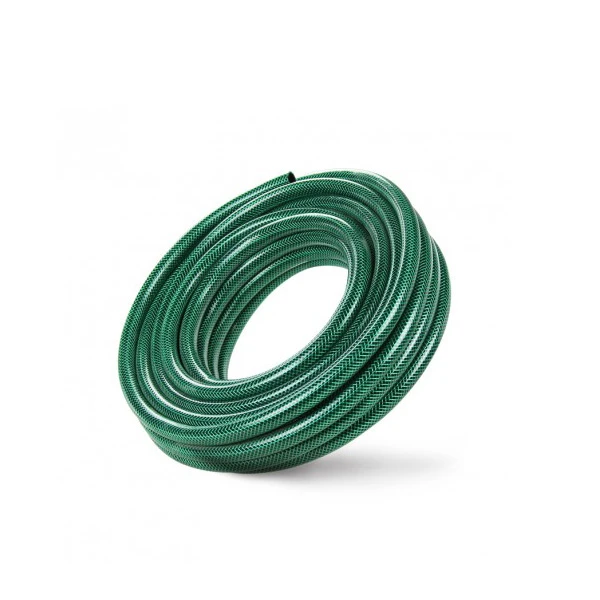
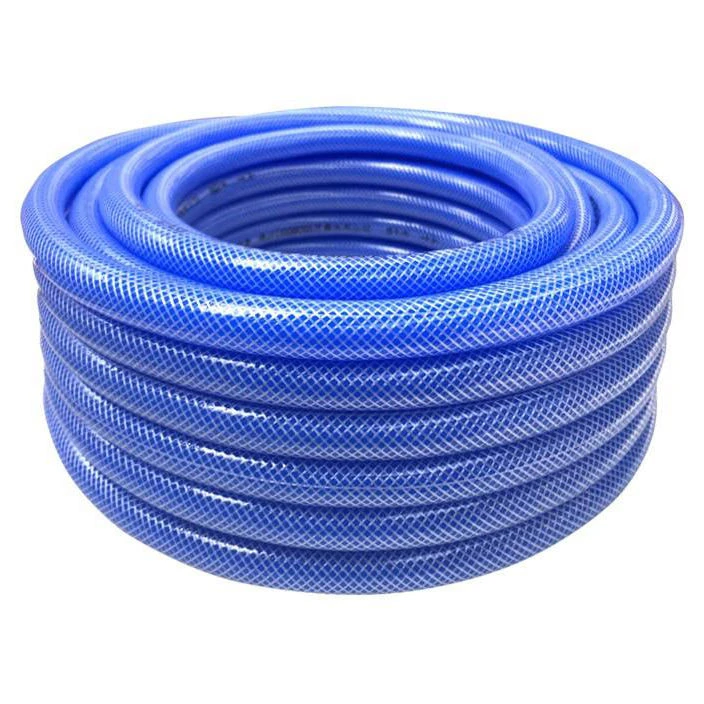
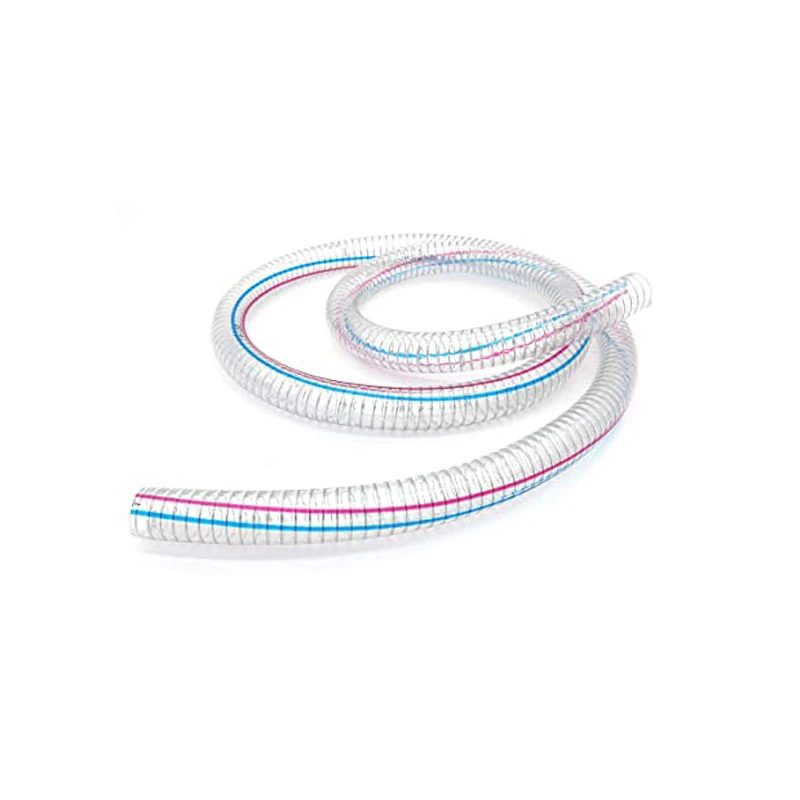
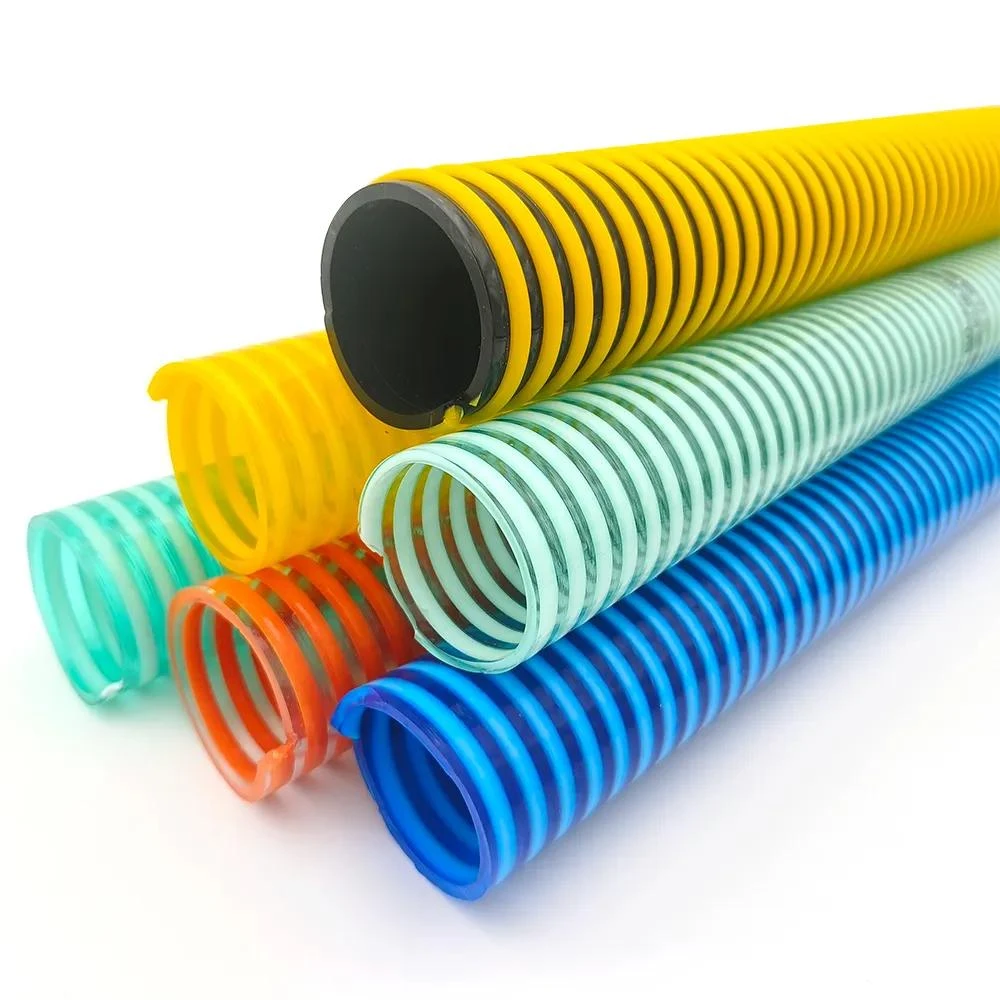
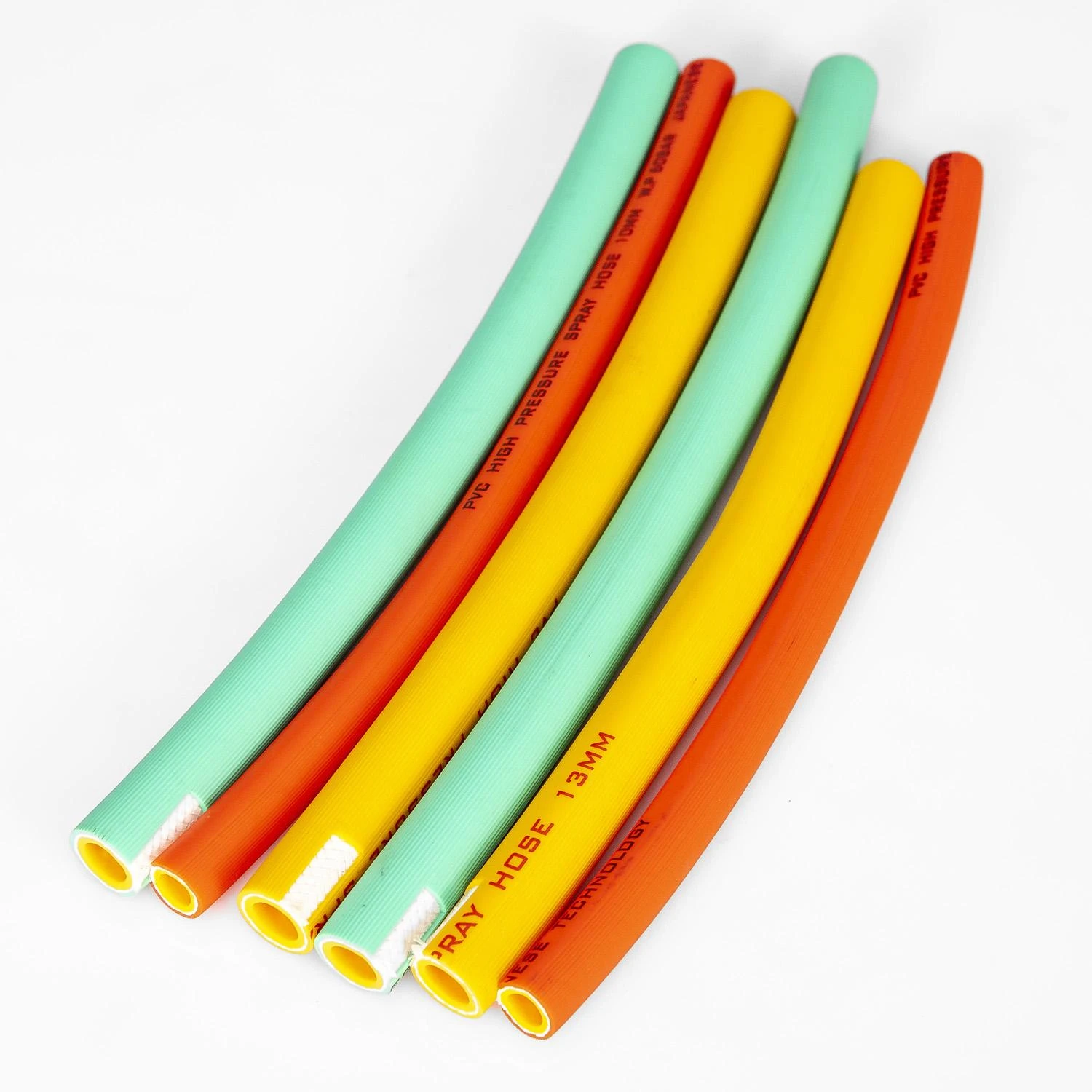
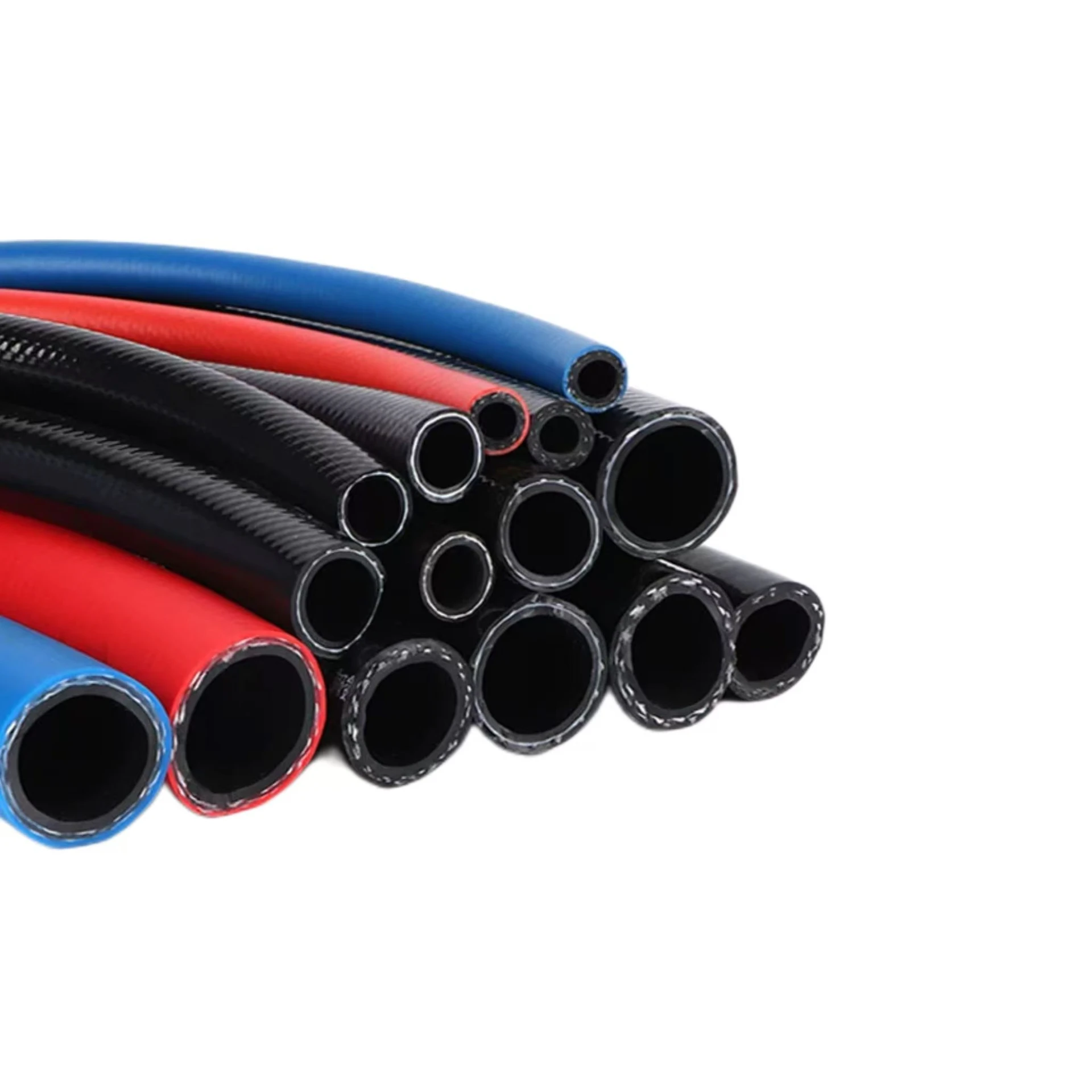
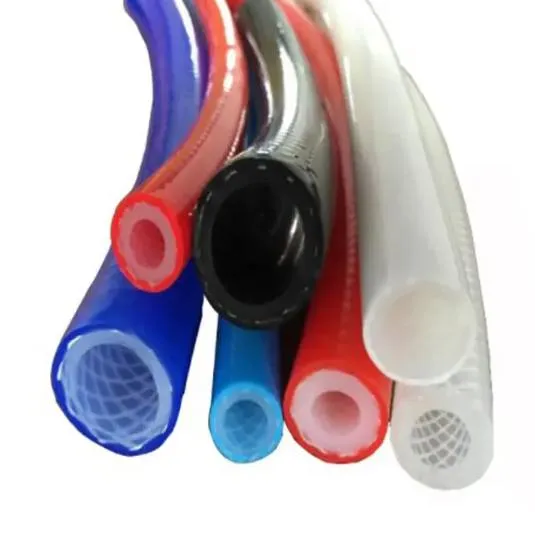
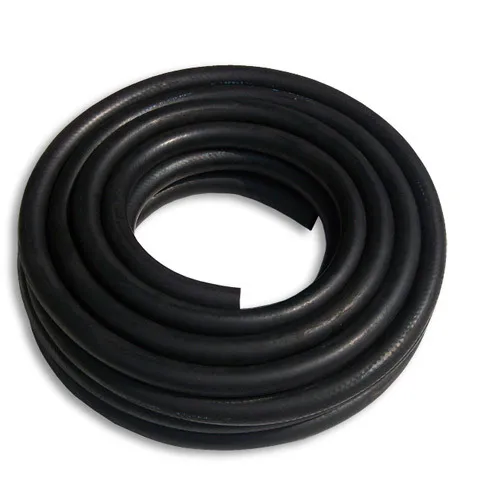
Simply put, a propane rubber hose is a flexible, reinforced conduit designed specifically to handle liquid or gaseous propane safely. Unlike general rubber hoses, these are engineered with layers — usually synthetic rubber with embedded textile or metal braids — to withstand high pressures and resist propane’s chemical effects.
These hoses connect propane tanks to appliances or distribution systems, enabling safe and efficient fuel flow. Whether it’s fueling a barbecue grill or running a large-scale industrial operation, these hoses bridge the gap between supply and use in a way that’s both practical and safe.
Quick takeaway:
- Propane rubber hoses are specialized, reinforced hoses built for fuel transfer safety.
- They’re integral to varied applications, from household to industrial scale.
Core Aspects of Propane Rubber Hoses
Durability
Propane hoses have to endure tough conditions — extreme temperatures, UV exposure, abrasion, and chemical contact. The rubber compounds and reinforcements used provide a lifespan extending multiple years when maintained properly.
Pressure Resistance
Because propane is stored under pressure, hoses need to withstand up to certain PSI ratings without exhausting performance. Many hoses now comfortably handle pressures upwards of 300 PSI, with safety margins included.
Flexibility
One reason rubber prevails over rigid piping in many scenarios is flexibility. This allows easy installation in confined spaces, movement without leaks, and less stress on connection points.
Chemical Compatibility
Propane’s chemical nature means hose materials must resist degradation. Rubber compounds formulated specifically for hydrocarbon resistance prevent swelling or cracking.
Safety Standards Compliance
Top-grade propane hoses comply with standards such as UL 21 or EN1762, which regulate aspects like burst strength and permeation limits — rather vital for maintaining trust in the product’s reliability.
Cost Efficiency
Balancing cost and performance is always tricky, but propane rubber hoses represent a sound investment due to their long service life and reduced maintenance demands.
Quick takeaway:
- Durability, pressure tolerance, chemical resistance, and flexibility define quality propane hoses.
- Compliance with testing standards assures users of product safety.
Global Applications: Where Propane Rubber Hoses Make a Difference
From South American farms to Southeast Asian marketplaces and European construction sites, propane rubber hoses keep fuel flowing.
- Disaster Relief: In post-disaster zones, quick-deploy propane tanks linked via flexible hoses provide emergency cooking fuel and heating. The hoses’ flexibility aids shifting installations under urgent and rugged conditions.
- Remote Industrial Operations: Off-shore oil rigs or mining camps often rely on propane fuel for power. Rubber hoses designed for tough weather conditions ensure uninterrupted operations.
- Commercial and Residential Use: Many households still opt for propane heating or cooking. Rubber hoses make connecting tanks to appliances safe and user-friendly.
- Agricultural Sector: In vineyards or greenhouses, propane-fueled heaters or equipment are common; hoses suited to the environment prevent costly leaks.
Quick takeaway:
- Propane hoses enable energy access in emergency, industrial, residential, and agricultural settings.
- Their adaptability supports varied global energy needs.
Propane Rubber Hose Specifications at a Glance
| Specification | Typical Value | Remarks |
|---|---|---|
| Inner Tube Material | Synthetic rubber (NBR or EPDM) | Hydrocarbon resistant |
| Working Pressure | Up to 300 PSI (around 20 bar) | Depends on hose size & reinforcement |
| Temperature Range | -40°C to +90°C | Suitable for most environments |
| Reinforcement | Textile or steel braid | Provides strength and flexibility |
| Outer Cover | Weather & abrasion resistant compound | Protects hose from external damage |
Comparing Top Propane Rubber Hose Vendors
| Vendor | Standard Compliance | Material Quality | Customization Options | Typical Price Range |
|---|---|---|---|---|
| FlexPro Hoses | UL 21, EN 1762 | High-grade EPDM rubber | Diameter & length customization | $$$ |
| SafeFlow Industries | ISO228-1, EN 1762 | Synthetic rubber with steel braid | Standard lengths only | $$ |
| ZSmart Flex Hose | UL 21, EN 1762, CSA | Premium NBR compound with textile braid | Fully custom lengths & fittings | $$$ |
The Long-Term Benefits of Propane Rubber Hose
When you consider everything — the flexibility, safety, chemical resistance, and cost efficiency of propane rubber hoses — it’s clear why industries keep investing in quality. They enable energy access that’s both stable and adaptable, even in unpredictable settings. On a more human level, these hoses support safer working environments, reduce accident rates, and thus protect lives and livelihoods across the globe.
The Road Ahead: Innovation in Propane Hose Design
Engineering innovations continue to push forward, focusing on greener materials and smart sensing technologies. Imagine hoses embedded with sensors that detect leaks instantly or rubber compounds that biodegrade safely when retired. Governments and NGOs eye such technologies to align with sustainability goals while ensuring safety. Digital automation integrated into fueling stations also demands hoses that can respond dynamically — sounds like sci-fi but it’s coming.
Common Challenges and Smart Solutions
Of course, no product is perfect. Propane hoses face issues like premature aging under harsh UV light or damage from improper handling. But many manufacturers now use UV-resistant coatings and instruct clients on proper storage and inspection. Another common problem is compatibility mismatches — always double-check fittings and lengths with your vendor. A little diligence upfront prevents costly downtime later.
FAQ: Frequently Asked Questions About Propane Rubber Hose
Q1: How often should a propane rubber hose be inspected or replaced?
A: Industry norms suggest visual inspection every 6 months and replacement every 5 years or sooner if damage is evident. Harsh environments require more frequent checks.
Q2: Can I use a propane rubber hose for other gases, like natural gas?
A: Generally, no. Hoses are designed for specific gases based on pressure and chemical compatibility. Using propane hoses for other fuels risks leaks or rupture.
Q3: What sizes do propane rubber hoses come in?
A: Typical inner diameters range from 1/4 inch to 1 inch, depending on application needs. Custom sizes are often available for industrial uses.
Q4: Are propane hoses resistant to freezing temperatures?
A: Quality hoses typically operate down to -40°C, but extremely cold conditions might require special compounds or heating solutions to maintain flexibility.
Q5: How can NGOs source reliable propane hoses internationally?
A: Partnering with certified suppliers like ZSmart Flex Hose who offer documentation for compliance and customization ensures safe procurement.
Bringing It All Together
Propane rubber hoses, while often unsung, are critical components in global energy infrastructure — blending safety, adaptability, and reliability. As energy demands evolve and environmental concerns grow, these hoses remain central to delivering smart, sustainable fuel solutions. For anyone involved in fuel transfer, whether on a remote farm or a relief camp, picking the right hose isn’t just a technical choice, but a life-saving one.
To explore top-quality options and more detailed technical advice, visit https://www.zsmartflexhose.com. Because when it comes to fuel safety, every connection counts.
References
Z-Smartflex delivers superior-quality industrial hoses and fittings with global reliability, offering you durable solutions and exceptional service for all your fluid transfer needs.