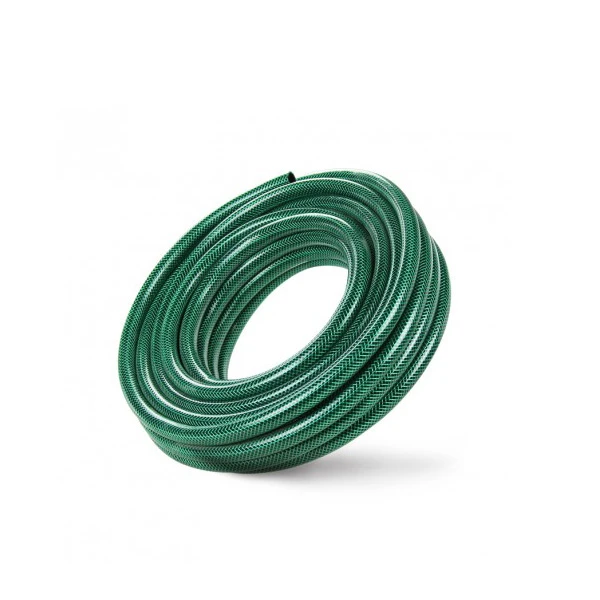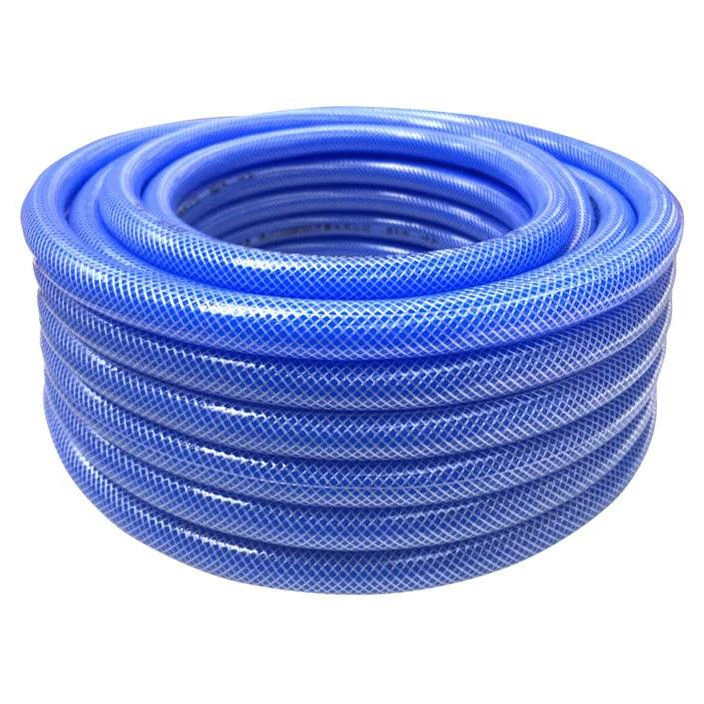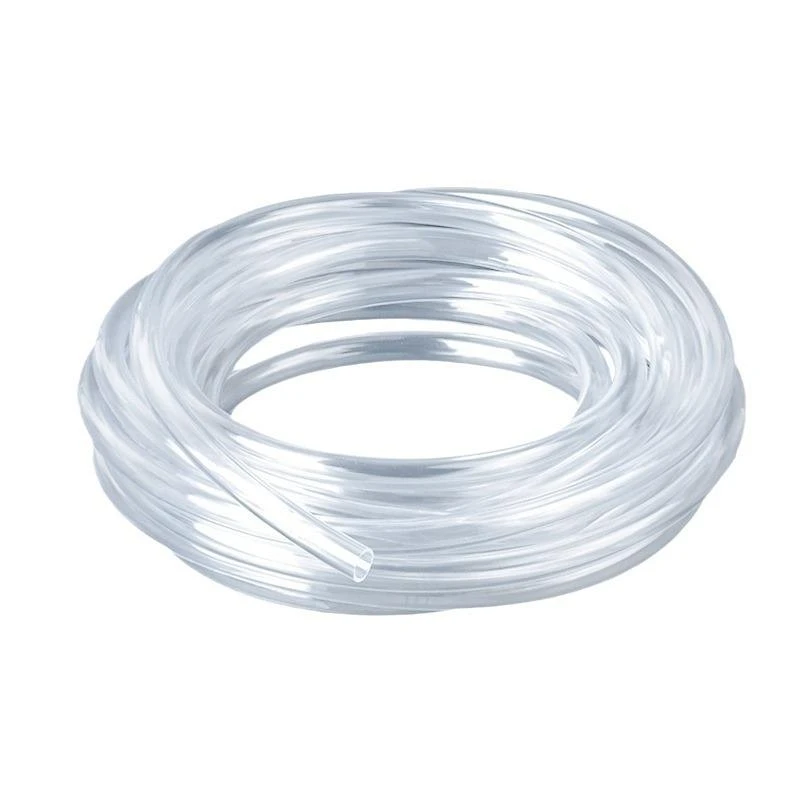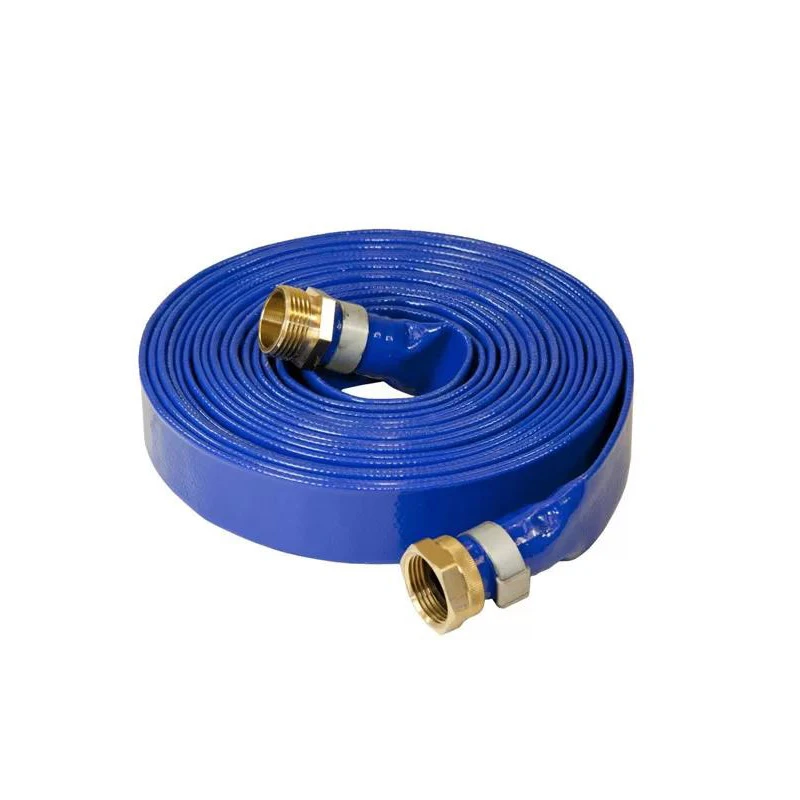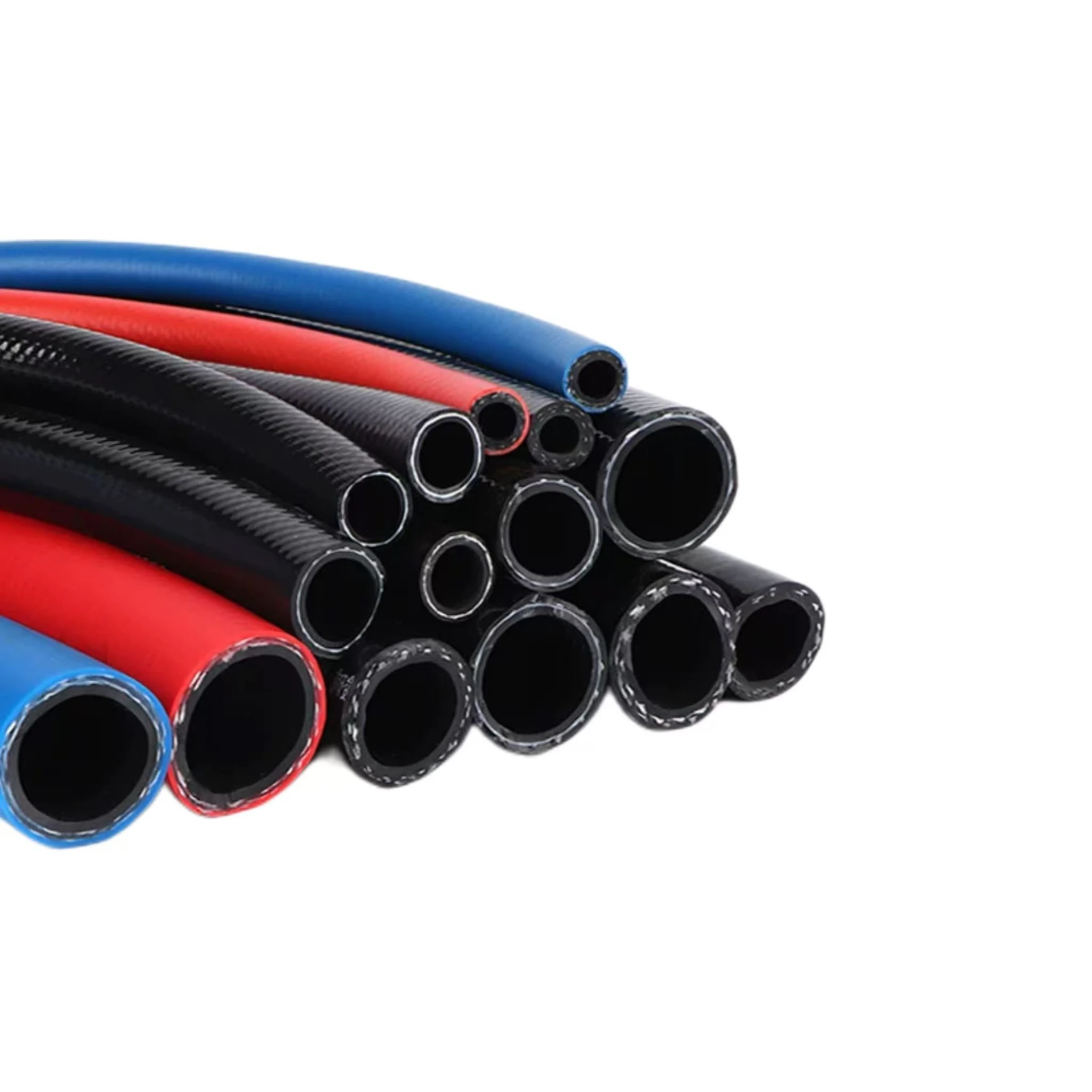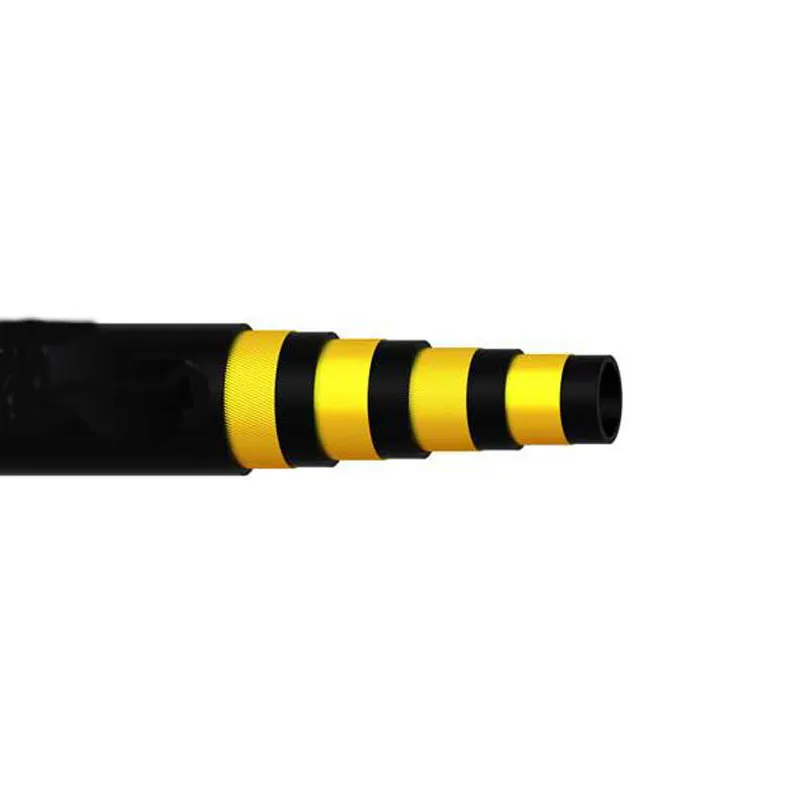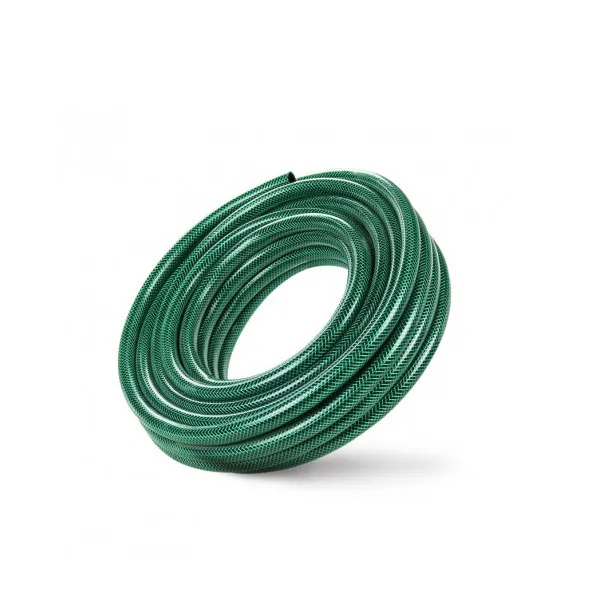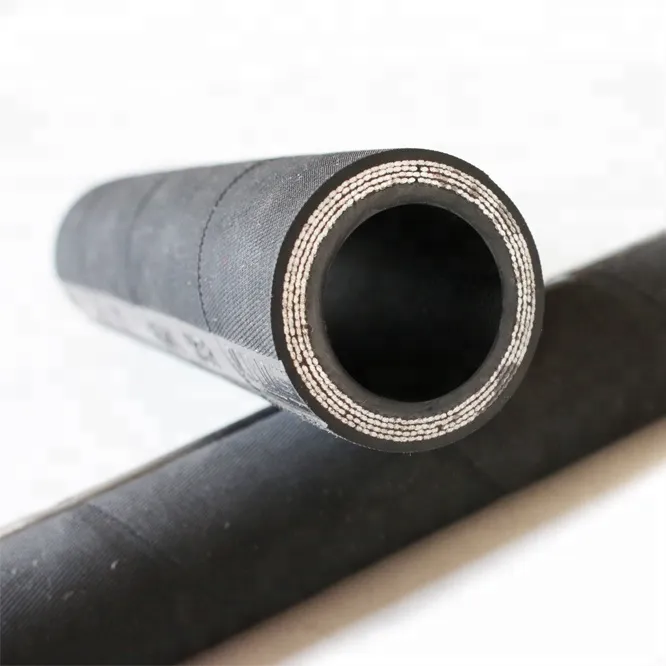


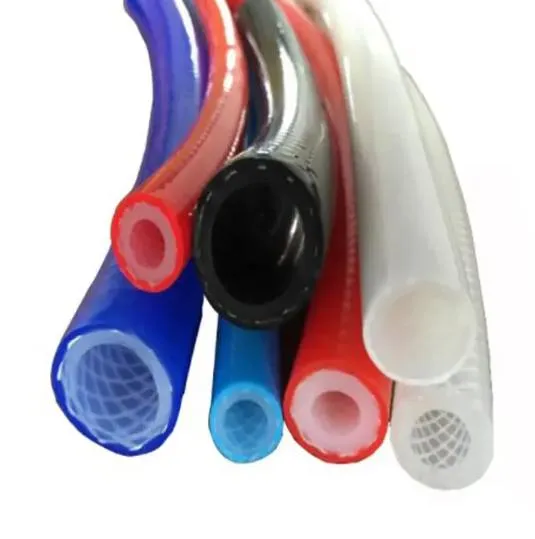
Extrudé à partir d'un composé de caoutchouc de silicone haute résistance, avec des diamètres d'alésage allant de 2 mm à 38 mm, il répond aux exigences de pratiquement toutes les applications. Nous proposons une large sélection de silicones : qualité industrielle, durci au platine et qualité alimentaire.
Nom du produit : Tuyau en silicone extrudé renforcé de fibres
Construction du matériau : tuyau en silicone extrudé avec une couche de renfort en fibre
Matériel OEM/ODM disponible : Le matériel OEM/ODM est disponible
Température de fonctionnement : -50℃~250℃
Taux de pression : ~15~5 Bar par tailles
Application : Le tuyau en silicone extrudé renforcé de fibres est utilisé pour le transport d'aliments ou de boissons, de produits laitiers, de cosmétiques, de transformation des aliments, etc.
Procédure OEM : besoin d'une offre client : échantillon ou dessin
Couleurs disponibles : rouge, bleu, noir, jaune, rose, violet, vert, marron, orange, rouge + bleu, rouge + noir, motif, etc.
| Code de l'article | IDENTIFIANT | Mur | Pli | |
| mm | Pouce | mm | ||
| SH-1 | 8 | 5/16 | 3.5-4.5 | 1-2 |
| SH-2 | 10 | 3/8 | 3.5-4.5 | 1-2 |
| SH-3 | 12 | 1/2 | 3.5-4.5 | 1-2 |
| SH-4 | 14 | 9/16 | 3.5-4.5 | 1-2 |
| SH-5 | 16 | 5/8 | 3.5-4.5 | 1-2 |
| SH-6 | 19 | 3/4 | 3.5-4.5 | 1-2 |
| SH-7 | 22 | 7/8 | 3.5-4.5 | 1-2 |
| SH-8 | 25 | 1 | 3.5-4.5 | 1-2 |
| SH-9 | 28 | 1 1/8 | 3.5-4.5 | 1-2 |
| SH-10 | 32 | 1 1/4 | 3.5-4.5 | 1-2 |
Le silicone lui-même présente une grande élasticité, ce qui permet au tuyau d'être facilement plié et torsadé sans se casser ni se déformer. Son installation et son utilisation sont donc très pratiques, et il s'adapte à des configurations de canalisations complexes et à des exigences d'espace variées. De plus, son élasticité contribue à absorber les chocs et à réduire l'usure et les dommages causés par les vibrations mécaniques.
Bonne stabilité chimique
Il a une bonne tolérance à la plupart des substances chimiques et n'est pas facile à corroder par les acides, les alcalis, les sels, les solvants organiques, etc. Dans certains cas impliquant le transport de substances chimiques, telles que les industries chimiques, pharmaceutiques et autres, notre tuyau en silicone peut fonctionner de manière stable, pas facile aux réactions chimiques et affecter ses performances et sa durée de vie.
Il peut maintenir de bonnes performances sur une large plage de températures et peut généralement résister à des températures de -50 ° C à 200 ° C, et certaines formulations spéciales peuvent même être utilisées dans des conditions de température plus extrêmes, ce qui le rend adapté à une variété d'environnements de travail différents.
Le silicone est un matériau non toxique et inodore, conforme aux normes d'hygiène alimentaire et de sécurité médicale, qui ne polluera pas le matériel transporté.
Différentes couleurs peuvent être personnalisées selon les exigences du client, ce qui joue un rôle important dans certaines scènes spécifiques.
Le diamètre précis du tuyau, l'épaisseur de la paroi et la longueur peuvent être personnalisés en fonction des besoins spécifiques de l'utilisation.
Why Reinforced Silicone Tubing Works Best in Chemical Transfer Systems
Reinforced silicone tubing is the preferred solution for demanding chemical transfer systems, particularly in the chemical and pharmaceutical industries, due to its exceptional good chemical stability combined with high physical resilience. This tubing offers superior protection against corrosion and degradation from a broad spectrum of substances, ensuring safety and longevity in critical applications.
The inherent stability and inertness of the silicone material are key to its performance. It demonstrates good tolerance to most chemical substances, meaning it is highly resistant to corrosive attack and is not easy to be corroded by acids, alkalis, salts, organic solvents, etc. This broad chemical compatibility is vital in pharmaceutical and chemical manufacturing where the media being conveyed are often aggressive and varied. Unlike many traditional elastomers that may swell, harden, or break down upon contact with harsh chemicals, silicone maintains its structural integrity and flexibility. This resistance ensures that the hose remains stable and does not easily chemical reactions that could either contaminate the high-purity product being transferred or rapidly degrade the hose itself, thereby significantly extending its performance and service life.
The tubing is fiber reinforced, which is crucial when handling pressurized chemical transfers. While the silicone material provides the chemical defense, the one layer fiber reinforcement adds essential mechanical strength. This reinforcement allows the reinforced silicone tubing to operate under a specific pressure rate while maintaining a stable diameter. This mechanical integrity is vital in preventing hazardous leaks or bursting, especially when transporting volatile or corrosive liquids, ensuring a controlled and safe transfer environment.
Furthermore, the tubing's ability to maintain good performance over a wide temperature range (generally from -50℃ up to 250℃) ensures reliable operation in varied processing conditions, from chilling reactors to conveying hot fluids for distillation. This robust thermal and chemical profile makes the reinforced silicone tubing a reliable and indispensable choice for stability and safety in demanding chemical and pharmaceutical environments.
Understanding the Braided Hose Manufacturing Process: From Silicone Extrusion to Final Reinforcement
The braided hose manufacturing process for reinforced silicone tubing is a specialized, multi-stage procedure that combines precision material handling with advanced layering techniques to achieve the final product's necessary strength, flexibility, and dimensional accuracy. The typical process consists of three main, meticulously controlled stages: extrusion, fiber reinforcement (braiding), and final curing.
Silicone Extrusion (Forming the Inner Tube): The process begins with the extrusion of the inner tube. A precisely formulated high strength silicone rubber compound is continuously forced through a die to create a tube with the desired bore size (ranging from 2mm ID up to 38mm). This initial tube is the foundation and dictates the internal dimensions and the chemical and biological purity of the final product. Manufacturers select different material formulations, such as industrial grade, platinum-cured, or food grade silicone, during this step based on the intended application's purity and safety requirements. This precise process ensures the final product's precise pipe diameter, wall thickness and length can be customized and controlled to exact specifications.
Fiber Reinforcement (Braiding): Once the inner tube is formed, it moves to the braiding stage, where the one layer fiber reinforcement is applied. High-tensile textile fibers are braided or woven tightly around the silicone tube in a controlled pattern. This step is critical because it introduces the necessary mechanical strength, transforming the highly elastic silicone into reinforced silicone tubing capable of withstanding the specified operational pressure rate. The braiding prevents the hose from expanding or ""ballooning"" under pressure, ensuring hydraulic or pneumatic forces are contained effectively.
Curing (Vulcanization): The final stage involves curing or vulcanizing the layered hose. The hose is subjected to controlled heat and pressure within a specific working temperature and time frame to permanently set the material's shape and chemically cross-link the silicone polymers. This curing step maximizes the silicone's inherent properties, locking in its high elasticity, its good chemical stability, and its wide temperature tolerance range. After curing, the hose is finished, ready for any final customizations, such as applying different colors as required by the customer before packaging.
Why Reinforced Silicone Tubing Is the Preferred Choice for Food and Beverage Processing
Reinforced silicone tubing is the preferred choice for food and beverage processing—including conveyance of dairy products, cosmetics, and various drinks—due to its unmatched combination of biological safety, thermal stability, and mechanical adaptability, which meet the sector's most rigorous hygiene and performance standards.
The primary advantage of silicone in this sector is its inherent biological safety. It is a certified non-toxic, odorless material, which strictly adheres to food hygiene and medical safety standards. This non-reactive nature ensures the tubing will not cause pollution to the material transported, preventing the leaching of odors, tastes, or contaminants, thereby maintaining the purity, flavor, and integrity of sensitive products like dairy and beverages. The availability of food grade and platinum-cured silicone options further signifies a commitment to the highest level of biological inertness and cleanliness, as platinum curing is typically used to produce the highest-purity silicone free of trace byproducts.
Beyond purity, the hose’s performance characteristics are perfectly suited for food processing environments. Its ability to maintain good performance over a wide temperature range is crucial for thermal processes and demanding sterilization procedures, such as Clean-in-Place (CIP) or Steam-in-Place (SIP) systems. This high thermal tolerance ensures the hose does not degrade or compromise its structure when exposed to steam or hot sanitizing agents, allowing for effective and safe microbial control.
Finally, the combination of high elasticity and fiber reinforcement provides the flexibility and pressure capacity needed for modern facility layouts. The hose can be easily bent and twisted without breaking or deformation, simplifying routing in tight spaces. Simultaneously, the reinforcement provides the necessary pressure rate stability for efficient pumping, filling, and filtering operations. This dual capability—unparalleled biological safety coupled with exceptional mechanical and thermal resilience—makes reinforced silicone tubing indispensable for reliable, hygienic conveyance throughout the food and beverage industry.
Tuyau renforcé en silicone pour une durabilité dans les utilisations automobiles et industrielles.
Contactez-nous
Z-Smartflex fournit des tuyaux et raccords industriels de qualité supérieure avec une fiabilité mondiale, vous offrant des solutions durables et un service exceptionnel pour tous vos besoins de transfert de fluides.