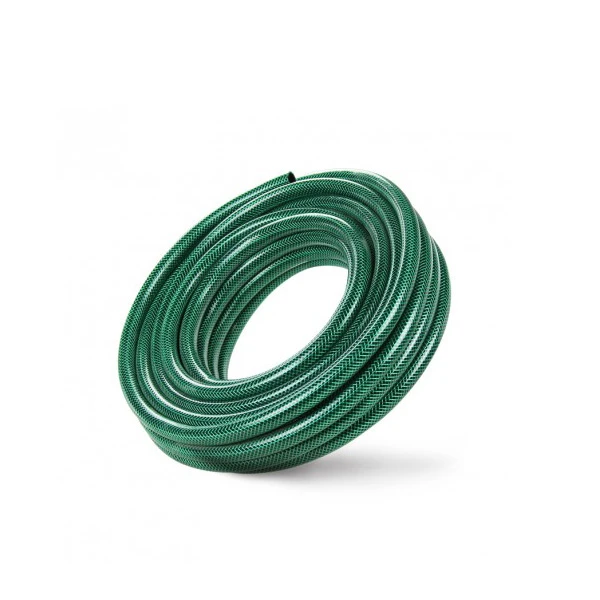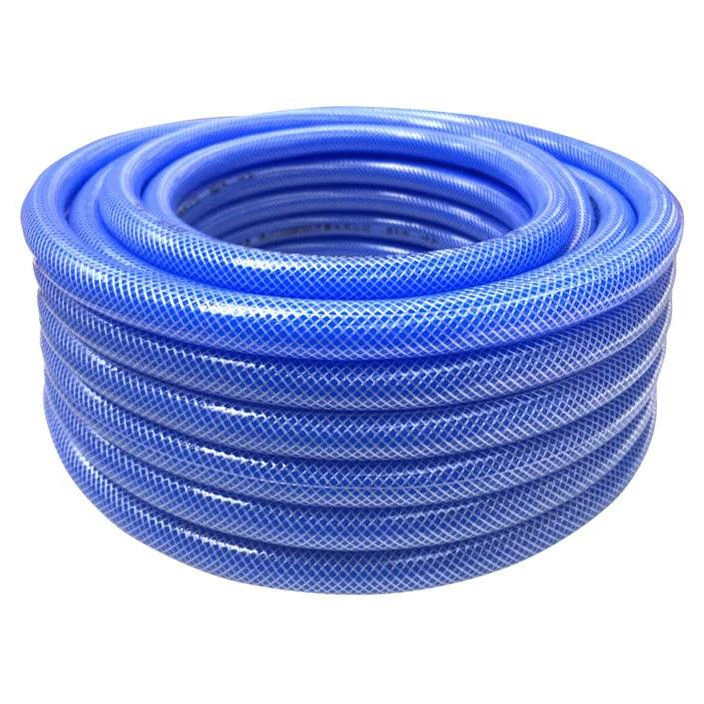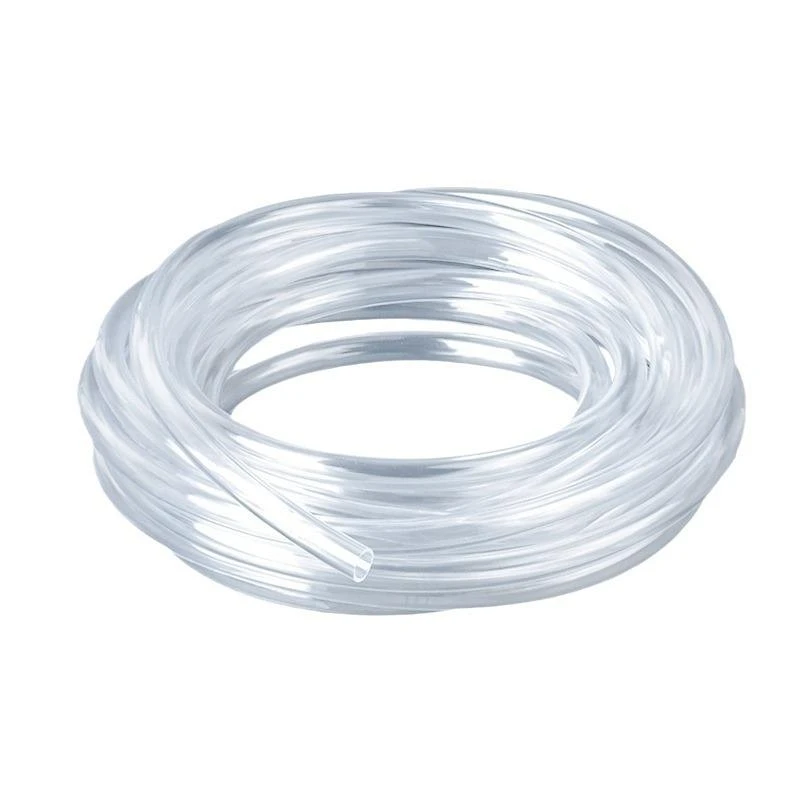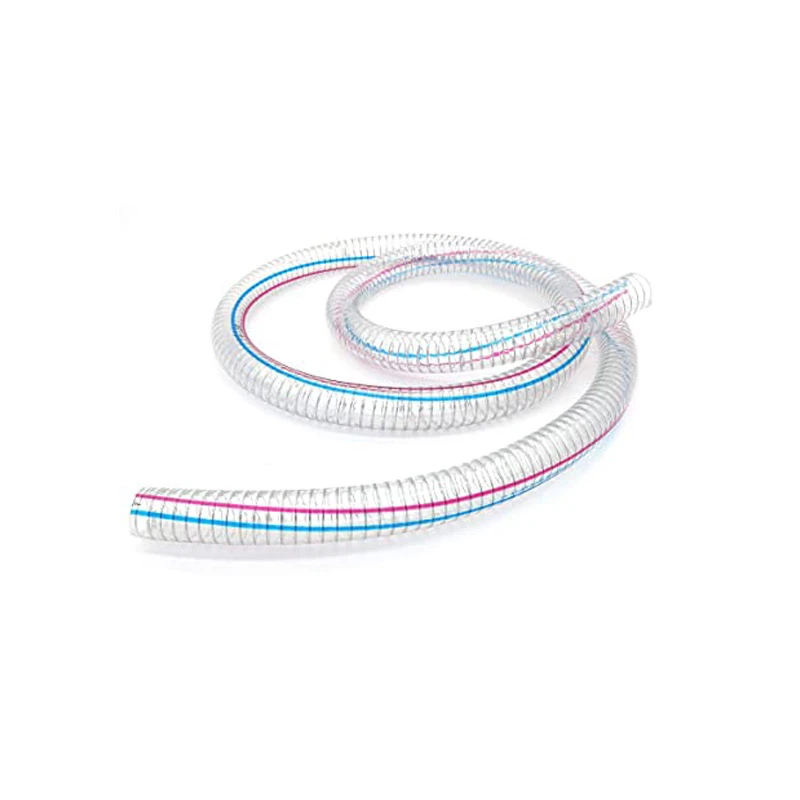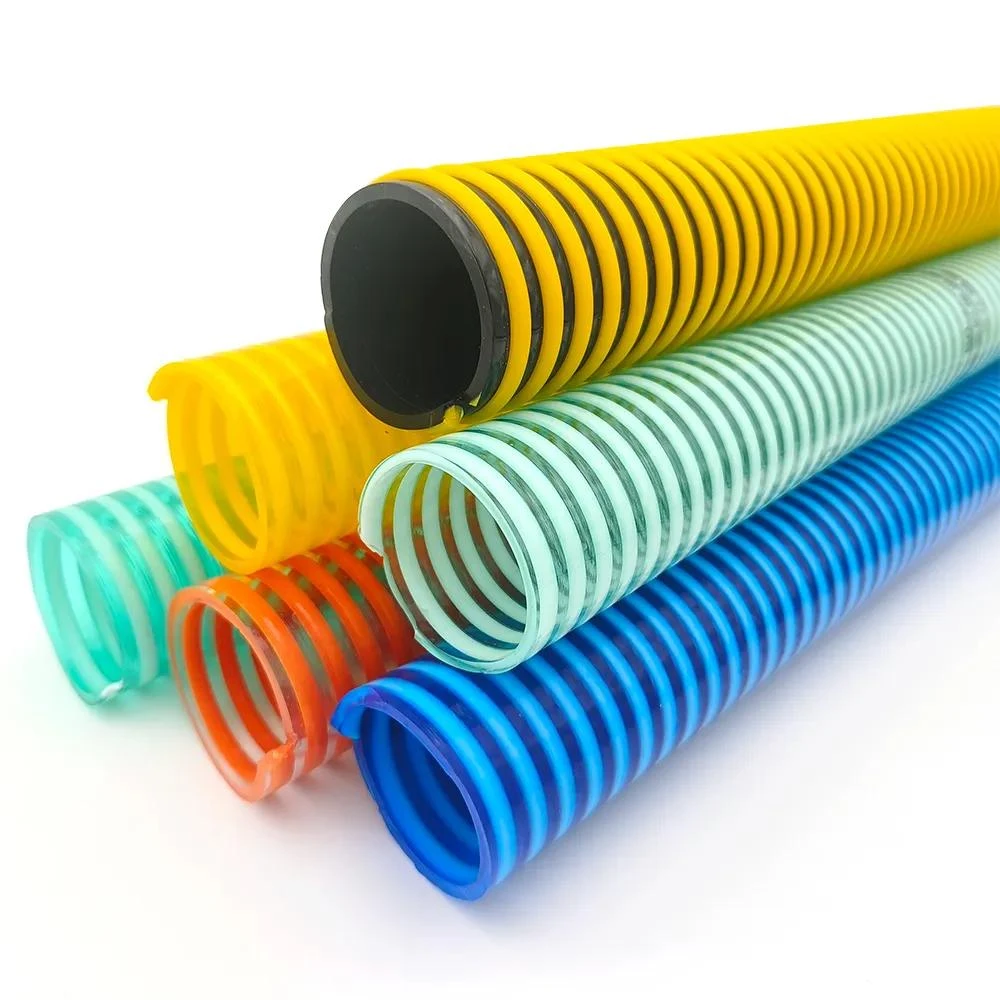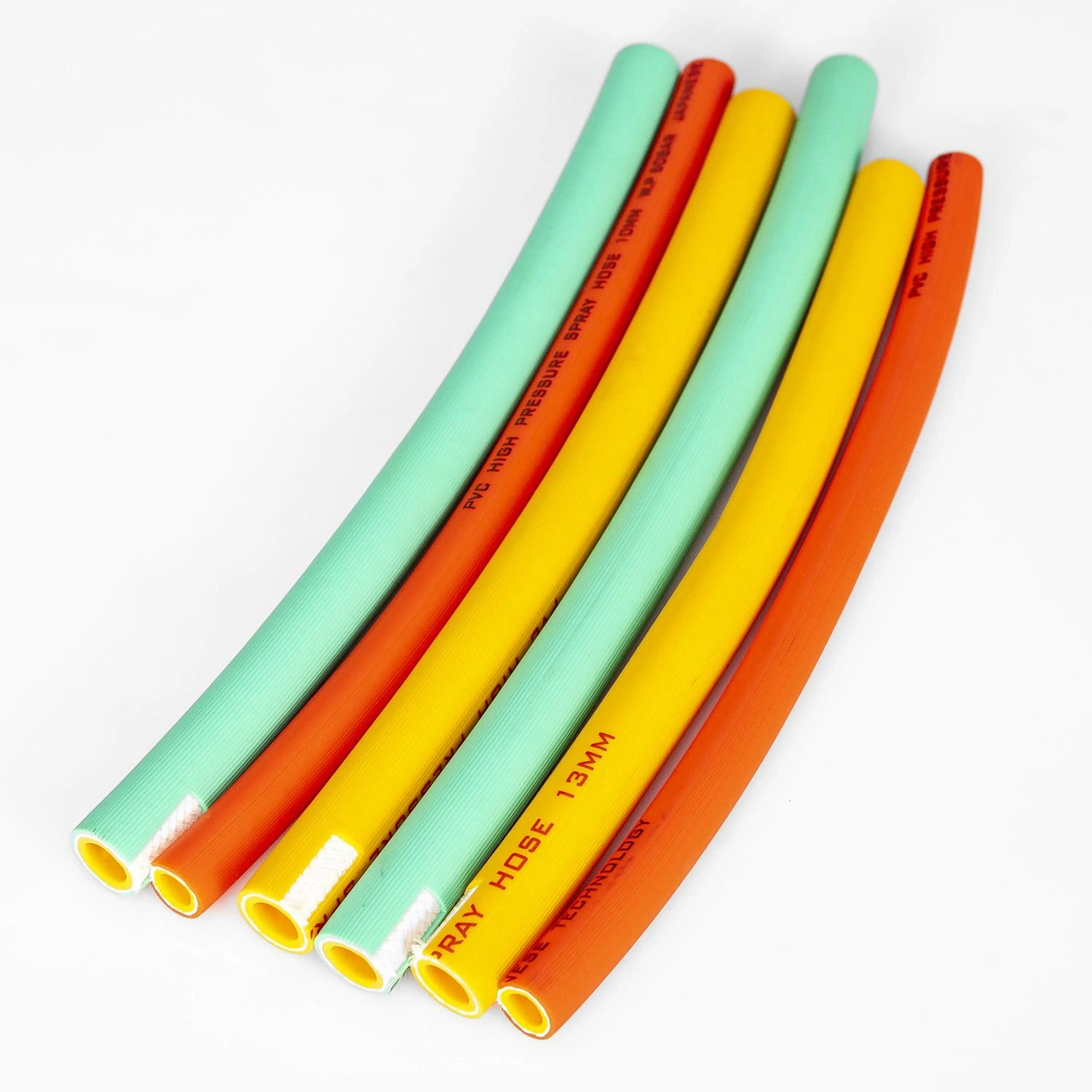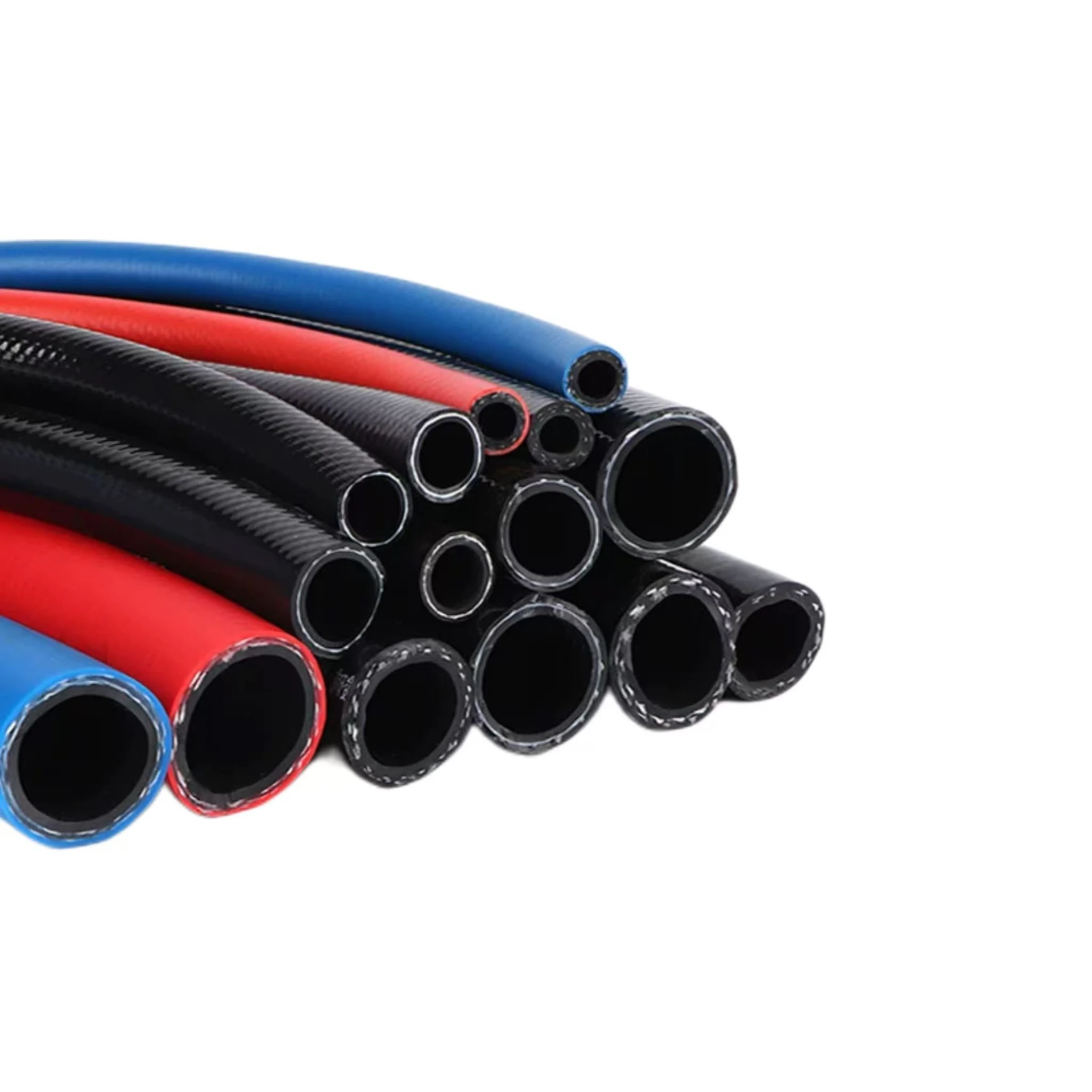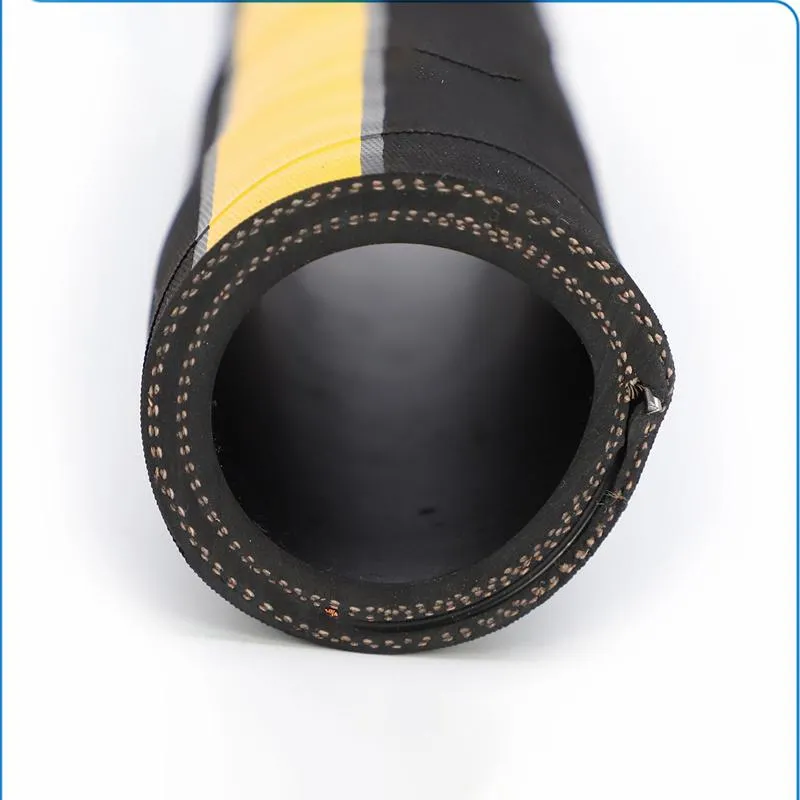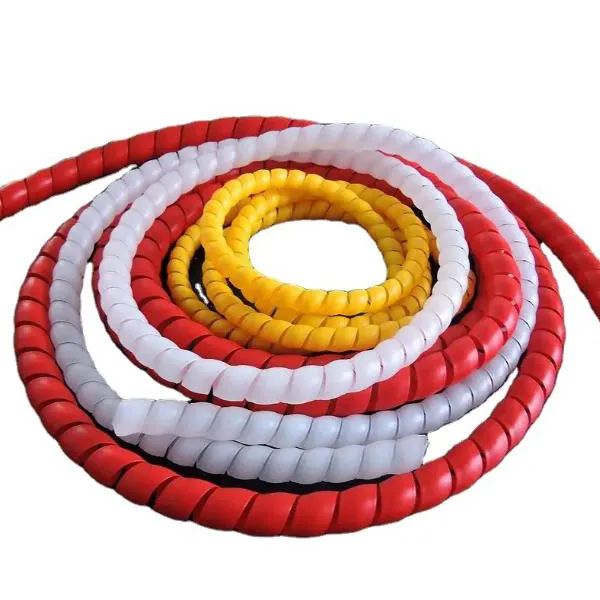


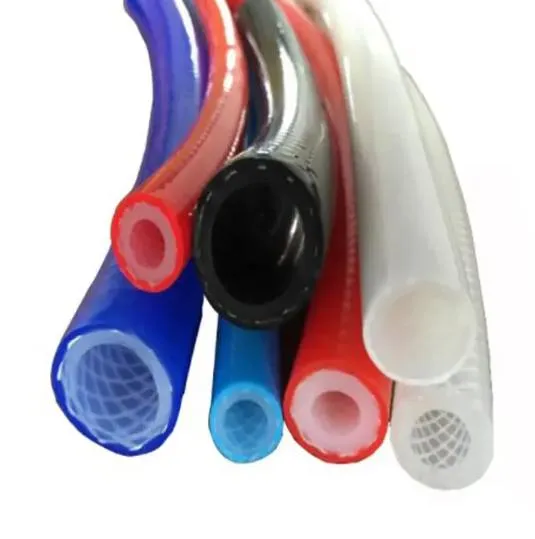
مُصنّع من مُركّب مطاط سيليكون عالي القوة، بقطر داخلي يتراوح بين 2 مم و38 مم، يُلبي احتياجات جميع التطبيقات تقريبًا. نُقدّم تشكيلة واسعة من مواد السيليكون للاستخدام، منها ما هو مُصنّع للاستخدام الصناعي، ومنها ما هو مُعالج بالبلاتين، ومنها ما هو مُصنّع للاستخدام الغذائي.
اسم المنتج: خرطوم سيليكون مقوى بالألياف
مادة البناء: خرطوم سيليكون مبثوق مع طبقة واحدة من الألياف المقواة
المواد OEM/ODM متوفرة: المواد OEM/ODM متوفرة
درجة حرارة العمل: -50 درجة مئوية ~ 250 درجة مئوية
معدل الضغط: ~15~5 بار حسب الأحجام
التطبيق: يتم استخدام خرطوم السيليكون المقوى بالألياف لنقل الأغذية أو المشروبات، ومنتجات الألبان، ومستحضرات التجميل، وتجهيز الأغذية، وما إلى ذلك.
إجراء OEM: نحتاج إلى عرض العميل: عينة أو رسم
الألوان المتاحة: الأحمر، الأزرق، الأسود، الأصفر، الوردي، الأرجواني، الأخضر، البني، البرتقالي، الأحمر + الأزرق، الأحمر + الأسود، نمط الخ.
| رمز العنصر | بطاقة تعريف | حائط | طبقة | |
| مم | بوصة | مم | ||
| SH-1 | 8 | 5/16 | 3.5-4.5 | 1-2 |
| SH-2 | 10 | 3/8 | 3.5-4.5 | 1-2 |
| SH-3 | 12 | 1/2 | 3.5-4.5 | 1-2 |
| SH-4 | 14 | 9/16 | 3.5-4.5 | 1-2 |
| SH-5 | 16 | 5/8 | 3.5-4.5 | 1-2 |
| SH-6 | 19 | 3/4 | 3.5-4.5 | 1-2 |
| SH-7 | 22 | 7/8 | 3.5-4.5 | 1-2 |
| SH-8 | 25 | 1 | 3.5-4.5 | 1-2 |
| SH-9 | 28 | 1 1/8 | 3.5-4.5 | 1-2 |
| SH-10 | 32 | 1 1/4 | 3.5-4.5 | 1-2 |
تتميز مادة السيليكون نفسها بمرونة عالية، مما يُمكّن الخرطوم من الانحناء والالتواء بسهولة دون أي كسر أو تشوه، مما يجعله سهل التركيب والاستخدام، ويتكيف مع مختلف تصميمات الأنابيب المعقدة ومتطلبات المساحة. كما تساعد مرونته على امتصاص الصدمات، مما يقلل من التآكل والتلف الناتج عن الاهتزازات الميكانيكية.
استقرار كيميائي جيد
يتميز بتحمل جيد لمعظم المواد الكيميائية وليس من السهل تآكله بواسطة الأحماض والقلويات والأملاح والمذيبات العضوية وما إلى ذلك. في بعض الحالات التي تنطوي على نقل المواد الكيميائية، مثل الصناعات الكيميائية والصيدلانية وغيرها، يمكن لخرطوم السيليكون الخاص بنا أن يعمل بثبات، وليس من السهل أن يتعرض لتفاعلات كيميائية تؤثر على أدائه وعمر الخدمة.
يمكنه الحفاظ على الأداء الجيد على مدى نطاق واسع من درجات الحرارة، ويمكنه عمومًا تحمل درجات حرارة من -50 درجة مئوية إلى 200 درجة مئوية، ويمكن استخدام بعض التركيبات الخاصة حتى في ظل ظروف درجات حرارة أكثر تطرفًا، مما يجعله مناسبًا لمجموعة متنوعة من بيئات العمل المختلفة.
السيليكون مادة غير سامة، عديمة الرائحة، وتتوافق مع معايير نظافة الغذاء والسلامة الطبية ولن تسبب تلوث المواد المنقولة.
يمكن تخصيص ألوان مختلفة وفقًا لمتطلبات العملاء، مما يلعب دورًا مهمًا في بعض المشاهد المحددة.
يمكن تخصيص قطر الأنبوب الدقيق وسمك الجدار والطول وفقًا للاحتياجات المحددة للاستخدام.
Why Reinforced Silicone Tubing Works Best in Chemical Transfer Systems
Reinforced silicone tubing is the preferred solution for demanding chemical transfer systems, particularly in the chemical and pharmaceutical industries, due to its exceptional good chemical stability combined with high physical resilience. This tubing offers superior protection against corrosion and degradation from a broad spectrum of substances, ensuring safety and longevity in critical applications.
The inherent stability and inertness of the silicone material are key to its performance. It demonstrates good tolerance to most chemical substances, meaning it is highly resistant to corrosive attack and is not easy to be corroded by acids, alkalis, salts, organic solvents, etc. This broad chemical compatibility is vital in pharmaceutical and chemical manufacturing where the media being conveyed are often aggressive and varied. Unlike many traditional elastomers that may swell, harden, or break down upon contact with harsh chemicals, silicone maintains its structural integrity and flexibility. This resistance ensures that the hose remains stable and does not easily chemical reactions that could either contaminate the high-purity product being transferred or rapidly degrade the hose itself, thereby significantly extending its performance and service life.
The tubing is fiber reinforced, which is crucial when handling pressurized chemical transfers. While the silicone material provides the chemical defense, the one layer fiber reinforcement adds essential mechanical strength. This reinforcement allows the reinforced silicone tubing to operate under a specific pressure rate while maintaining a stable diameter. This mechanical integrity is vital in preventing hazardous leaks or bursting, especially when transporting volatile or corrosive liquids, ensuring a controlled and safe transfer environment.
Furthermore, the tubing's ability to maintain good performance over a wide temperature range (generally from -50℃ up to 250℃) ensures reliable operation in varied processing conditions, from chilling reactors to conveying hot fluids for distillation. This robust thermal and chemical profile makes the reinforced silicone tubing a reliable and indispensable choice for stability and safety in demanding chemical and pharmaceutical environments.
Understanding the Braided Hose Manufacturing Process: From Silicone Extrusion to Final Reinforcement
The braided hose manufacturing process for reinforced silicone tubing is a specialized, multi-stage procedure that combines precision material handling with advanced layering techniques to achieve the final product's necessary strength, flexibility, and dimensional accuracy. The typical process consists of three main, meticulously controlled stages: extrusion, fiber reinforcement (braiding), and final curing.
Silicone Extrusion (Forming the Inner Tube): The process begins with the extrusion of the inner tube. A precisely formulated high strength silicone rubber compound is continuously forced through a die to create a tube with the desired bore size (ranging from 2mm ID up to 38mm). This initial tube is the foundation and dictates the internal dimensions and the chemical and biological purity of the final product. Manufacturers select different material formulations, such as industrial grade, platinum-cured, or food grade silicone, during this step based on the intended application's purity and safety requirements. This precise process ensures the final product's precise pipe diameter, wall thickness and length can be customized and controlled to exact specifications.
Fiber Reinforcement (Braiding): Once the inner tube is formed, it moves to the braiding stage, where the one layer fiber reinforcement is applied. High-tensile textile fibers are braided or woven tightly around the silicone tube in a controlled pattern. This step is critical because it introduces the necessary mechanical strength, transforming the highly elastic silicone into reinforced silicone tubing capable of withstanding the specified operational pressure rate. The braiding prevents the hose from expanding or ""ballooning"" under pressure, ensuring hydraulic or pneumatic forces are contained effectively.
Curing (Vulcanization): The final stage involves curing or vulcanizing the layered hose. The hose is subjected to controlled heat and pressure within a specific working temperature and time frame to permanently set the material's shape and chemically cross-link the silicone polymers. This curing step maximizes the silicone's inherent properties, locking in its high elasticity, its good chemical stability, and its wide temperature tolerance range. After curing, the hose is finished, ready for any final customizations, such as applying different colors as required by the customer before packaging.
Why Reinforced Silicone Tubing Is the Preferred Choice for Food and Beverage Processing
Reinforced silicone tubing is the preferred choice for food and beverage processing—including conveyance of dairy products, cosmetics, and various drinks—due to its unmatched combination of biological safety, thermal stability, and mechanical adaptability, which meet the sector's most rigorous hygiene and performance standards.
The primary advantage of silicone in this sector is its inherent biological safety. It is a certified non-toxic, odorless material, which strictly adheres to food hygiene and medical safety standards. This non-reactive nature ensures the tubing will not cause pollution to the material transported, preventing the leaching of odors, tastes, or contaminants, thereby maintaining the purity, flavor, and integrity of sensitive products like dairy and beverages. The availability of food grade and platinum-cured silicone options further signifies a commitment to the highest level of biological inertness and cleanliness, as platinum curing is typically used to produce the highest-purity silicone free of trace byproducts.
Beyond purity, the hose’s performance characteristics are perfectly suited for food processing environments. Its ability to maintain good performance over a wide temperature range is crucial for thermal processes and demanding sterilization procedures, such as Clean-in-Place (CIP) or Steam-in-Place (SIP) systems. This high thermal tolerance ensures the hose does not degrade or compromise its structure when exposed to steam or hot sanitizing agents, allowing for effective and safe microbial control.
Finally, the combination of high elasticity and fiber reinforcement provides the flexibility and pressure capacity needed for modern facility layouts. The hose can be easily bent and twisted without breaking or deformation, simplifying routing in tight spaces. Simultaneously, the reinforcement provides the necessary pressure rate stability for efficient pumping, filling, and filtering operations. This dual capability—unparalleled biological safety coupled with exceptional mechanical and thermal resilience—makes reinforced silicone tubing indispensable for reliable, hygienic conveyance throughout the food and beverage industry.

توفر Z-Smartflex خراطيم وتجهيزات صناعية عالية الجودة بموثوقية عالمية، مما يوفر لك حلولاً متينة وخدمة استثنائية لجميع احتياجات نقل السوائل الخاصة بك.